消费者体验

汤米·巴哈马品牌店

恢复沙子成品牌

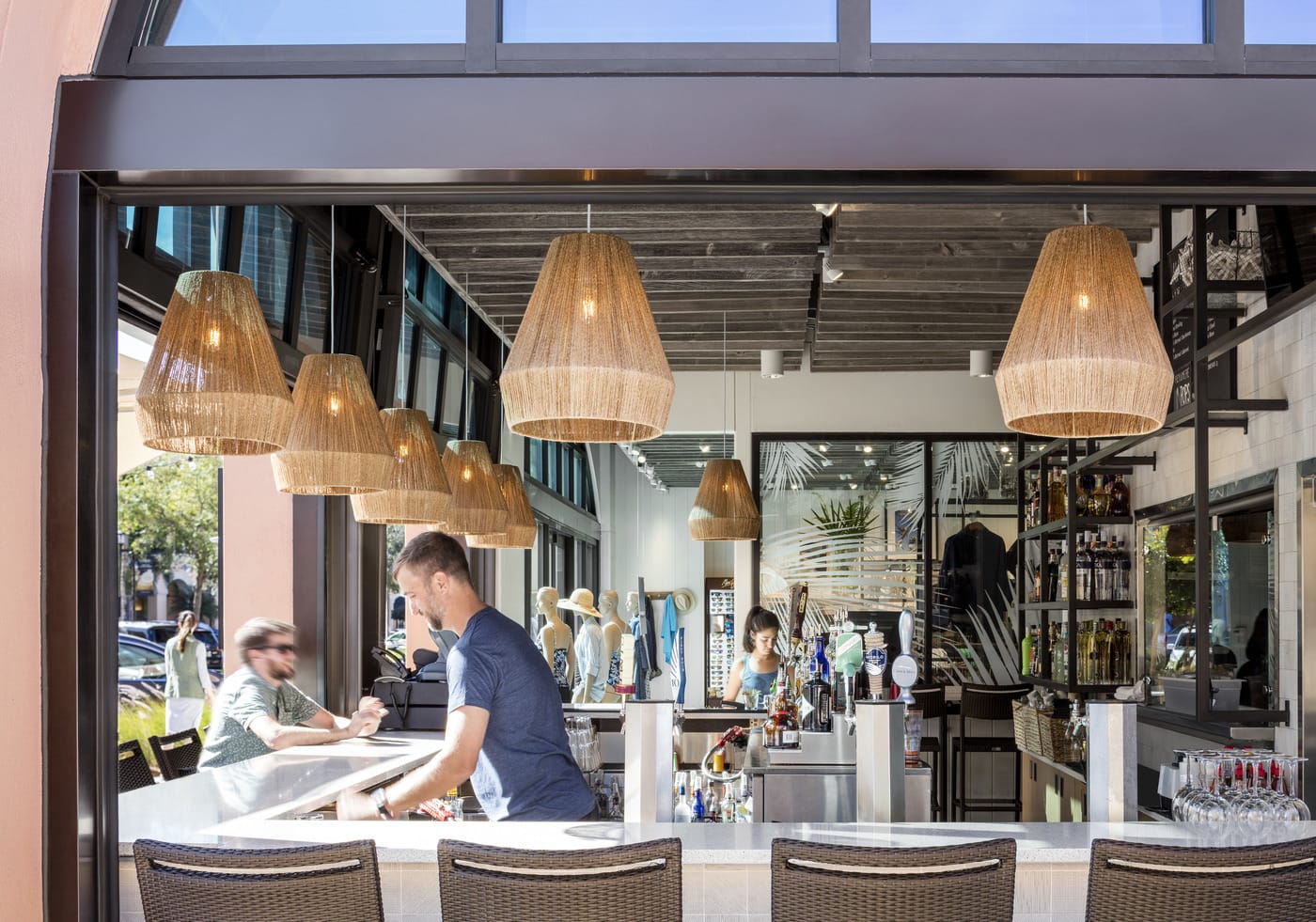
生活方式品牌Tommy Bahama以“人生是一个漫长的周末”为理念而创立,以休闲,精致的休闲服和岛屿风情而闻名。为了重振零售体验,吸收所有感官并全面反映品牌,Tommy Bahama与MG2合作开发了一种新的设计语言。最终目的是在众多商店,饭店和酒吧中培养凝聚力的客户体验。

MG2设计了三个独特的零售概念,标志性的度假胜地,家庭度假胜地和波希米亚岛,其灵感源于人们可能在数十年的阳光普照的咸水逍遥游中居住的地道空间。 标志性度假村 渲染郁郁葱葱的绿色植物和几何屏幕 家庭务虚会 具有磨损的表面,让人联想到1960年代的海滨别墅。最后但并非最不重要的, 波希米亚岛 提供带有抽象图案的丰富,非常规的纹理。这三个概念都提供了探索性的客户旅程,充满了令人愉悦的触觉体验。

同样重要的是,MG2设计的夹具,材料和销售要素的综合系统为Tommy Bahama带来了可扩展性的好处,因为它继续将每个概念提供给规模和编程不同的多个市场。


消费者体验

PCC社区超市

consumer experiences in grocery retail

整体性社区,高度可持续性

Since its inception in 1953, PCC Community Markets— the largest consumer-owned food cooperative in the United States—has meticulously curated their store designs, programming, and community engagement to embrace and empower the neighborhoods they serve. In 2017, they began a journey that would not only elevate the co-op’s dedication to health and wellness on an unprecedented scale but would pioneer a goal that no grocery store or chain had ever sought before. PCC Community Markets was undertaking the challenge of becoming the world’s first LEED-certified grocery store to obtain Living Building Challenge (LBC) Petal Certification. And in the winter of 2020, their vision was realized.

PCC Community Markets in the Ballard neighborhood of Seattle, WA is the first LBC Petal Certified grocery store on earth. The Living Building Challenge is a rigorous and highly revered green building certification program and sustainable design framework that visualizes the ideal for the built environment. Since its extraordinary achievement, two more PCC stores—West Seattle and Bellevue—have also achieved LBC Petal Certification.

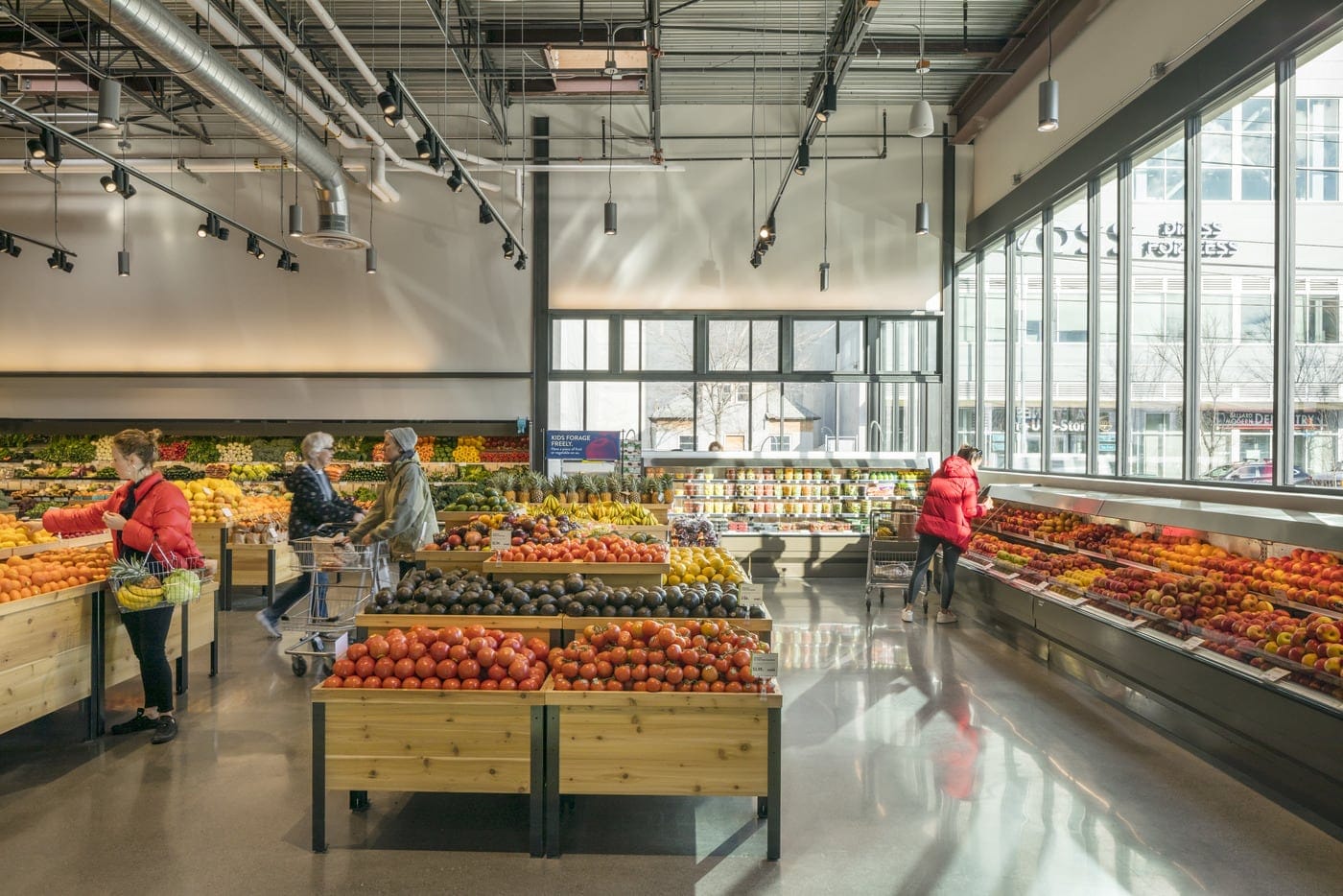
Overflowing outside and welcoming you in, each PCC Community Markets experience holistically emulates that of an open-air farmer’s market and is one that serves as an authentic reflection of the neighborhood it serves. Furthering that reflection, each store incorporates a handmade art installation, crafted exclusively from reclaimed materials and/or painted by a local artist. In Ballard, for example, shoppers are greeted by “Peggy”: a three-story multi-dimensional octopus and her accompanying mural, a display whose materials were conscientiously selected to ensure the LBC’s Materials Petal standards were met.

Store programming is holistically designed to be flexible, transparent, and engaging, adaptably built to evolve alongside culinary trends. Elements throughout the store, such as reclaimed local cedar wood produce bins, can be easily rearranged to fit the needs of every seasonal showcase.

肉类、海鲜和烘焙区这种具有互动性质的区域没有被雪藏在角落,而是靠近自然光源进行布局,从而提高了空间的可见度和真实性,同时消弭了传统超市“后店区”的感觉。

The decision to work with a limited materials palette was intentional, aligning with the goals of durability, sustainability, and minimizing waste.

In Ballard, for instance, 100% of the store’s wood—showcased across fixtures, custom benches, and countertops—is FSC certified, with 10% of elements, from foodservice equipment to shelving, having been reclaimed or reused. Over 40% of the materials, just shy of $1.4M, were sustainably sourced, with 9.2% of those being locally derived from within 100 miles. Stores are now able to capture substantial heat and energy savings and reduce water use by 50%.

Achieving the world’s first Living Building Challenge Petal Certified grocery store—an unprecedented accomplishment in the United States—PCC Community Markets continues to push the boundaries of sustainability by pursuing certification in a number of its other new stores.


  • 项目细节

  • 地点 华盛顿州多家门店
  • 客户 PCC社区超市
  • 市场分类
  • 规模 1850-2320平米
  • 设计服务
  • 资质认证 LEED 4级认证,生活建筑挑战花瓣认证