体验方程式:零售商需要做对什么

在最近一期的《零售重塑》节目中,MG2 的负责人 Melissa Gonzalez 与 Nicole Silberstein 进行了对话,分享了为什么店内体验仍然是建立联系和促进转化的强大驱动力,以及 MG2 的最新研究如何揭示 Z 世代带着明确的目的走进实体零售店。

在最近一期的《零售重塑》节目中,MG2 的负责人 Melissa Gonzalez 与 Nicole Silberstein 进行了对话,分享了为什么店内体验仍然是建立联系和促进转化的强大驱动力,以及 MG2 的最新研究如何揭示 Z 世代带着明确的目的走进实体零售店。

In her article in Inside Retail, “Where Checkout Happens Now,” MG2 Principal Melissa Gonzalez discusses the evolution of the checkout experience.
“In its 2025 report on Gen Z shoppers, MG2 Advisory found that more than half of Gen Z saw value in mobile pay or self-checkout optionality, as well as ‘buy online, pick up in-store’ (BOPIS) capabilities.”

VMSD recently unveiled its 2025 Annual International Visual Competition award winners and our Kizik Pop-Up in SoHo, NYC was a 2024 Honorable Mention.

在最近一篇 Inside Retail 的文章中,编辑 Nicole Kirichanskaya 讨论了 MG2 Advisory 报告中关于 Z 世代的新见解,强调了零售商了解他们的需求和偏好的重要性。
正如MG2公司负责人梅丽莎·冈萨雷斯解释的那样,“当品牌将自己定位为这些优先事项的合作伙伴,而不仅仅是产品销售商时,它们就能建立起远超结账环节的相关性和信任度。”

MG2 负责人 Melissa Gonzalez 在最近发表于 Inside Retail 的文章中探讨了零售业中实体体验和数字体验的战略融合。
“Retailers who want to build lasting relevance with this generation will need to rethink store design entirely, positioning stores not just as places to shop, but as spaces for creative interaction.”
How well do you understand Gen Z, today’s youngest adult consumer, whose age spans from 18 to 26?
Often treated as a single cohort, Gen Z actually contains two distinct inter-generational groups, each with its own priorities, behaviors, and expectations. The younger Gen Z is just entering adulthood, while the older is shaping careers, households, and long-term habits. Their views on value systems, societal impact, education, and identity are nuanced, and so are their relationships with brands and retailers. Making assumptions about this generation, or relying on outdated labels, can lead to missed opportunities, limiting both loyalty and revenue growth.
This report is designed to help brands and retailers stop generalizing and start making more informed decisions. By uncovering the differences within Gen Z, not just between them and other generations, we reveal clear opportunities to create authentic, in-store moments that build community and trust, inspire loyalty, and support long-term brand relevance.
完整报告可在本页底部下载。 现在就带我去那里!
Based on our findings, Gen Z consumers shared the following key insights on how their values are reflected in the shopping experience and how they seek more meaningful in-store engagement with the brands they care about.
94% of Gen Z shop with their values in mind, such as authenticity, transparency, and humility, but often struggle to achieve this in-store, frequently trading ideals for price or convenience
More than 70% of Gen Z want to engage with brands they love beyond content; they want to be co-creators and collaborators in the brand journey, including store design and product customization
3 out of 5 Gen Z shoppers say a leading reason for visiting a store is to experience the brand’s community and fulfill their desire for a greater sense of belonging
60% of Gen Z want to see products or in-store visuals that reflect timely, relevant cultural moments, demonstrating a brand’s awareness of what matters to their lives
Nearly 50% of Gen Z say they trust a brand’s sustainability promise more when it is reflected in how the store itself is designed
To earn the attention, respect, and long-term loyalty of Gen Z, brands and retailers must move beyond preconceived notions and mere trend chasing and take the time to understand what truly drives this generation. Gen Z responds to brands that reflect their values and invite them into the process, not just as consumers but as collaborators. This means bringing purpose into the store through thoughtful design choices like sustainable materials and ethically sourced products, while offering spaces that foster connection, such as community lounges or co-creation hubs where their voices shape everything from product design to store layout. Nostalgia, artistry, and visual storytelling also resonate deeply with this generation, especially when paired with technology that enhances rather than distracts from the brand’s heritage and product education. In-store experiences should be a meaningful extension of Gen Z’s values: easier paths to sustainability, personalized creativity, and real community. When brands position themselves as partners in these priorities rather than just sellers of products, they build relevance and trust that goes far beyond the checkout.


MG2 Principal Melissa Gonzalez was recently quoted in a Colliers Knowledge Leader article by Anjee Solanki on how intentional sensory design is shaping the future of retail.
“Sensory elements offer the highest return on experience (ROX) when integrated into physical retail environments. According to MG2’s Advisory Wellness Report, a Colliers Engineering & Design company, about 60% of respondents said sounds generated by physical events (like waves or rain) and natural lighting neutralized their anxieties and helped them feel calm. ‘Brands that can help them unplug and be present by creating community-driven environments–that’s another value proposition,’ shares Melissa Gonzalez, Principal and Founder of MG2 Advisory (now part of Colliers Engineering & Design).”

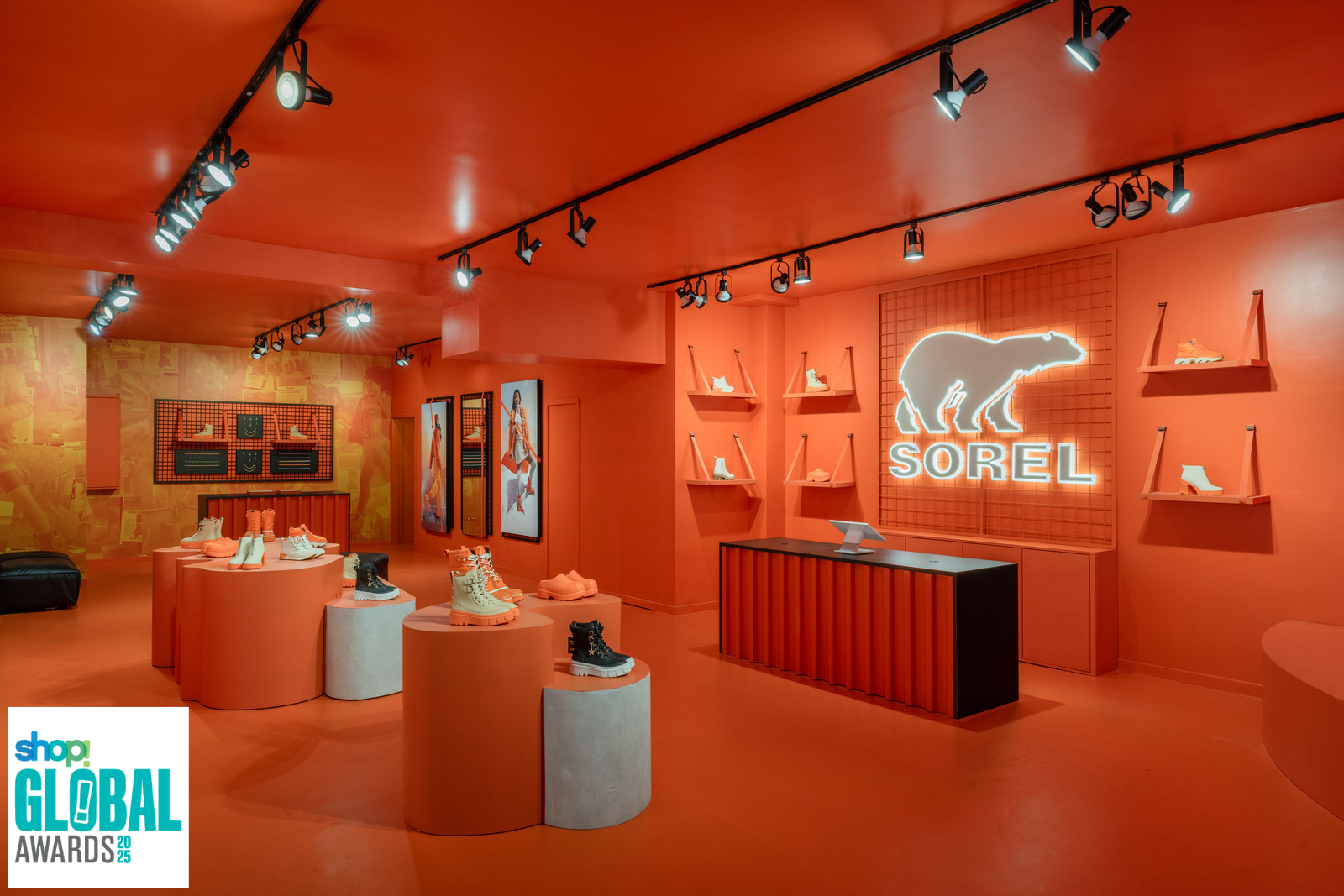
Shop! Association has announced its 2025 Global Award Winners. We’re proud that our design for SOREL’s Pop-Up in New York City has won for Specialty Store Concepts.
“The winners of the Shop! Global Awards represent the best of the best worldwide, setting the standard for excellence and innovation throughout the in-store experience,” said @Leo van de Polder, SMP MaRC, Global Development Director, Shop! Association.

GRAY Magazine has just announced it’s finalists for the 8th annual GRAY Awards and MG2’s design for SOREL’s New York City pop-up is among them.
SOREL partnered with MG2 to open a pop-up shop in Brooklyn’s Williamsburg neighborhood in 2023 to help drive awareness, customer engagement, sales, and marketing integration data for future strategies.

MG2 Principal and Founder of MG2 Advisory Melissa Gonzales joined Anjee Solanki of Colliers on the Retail: Recorded podcast to discuss the evolution of eatertainment and findings from MG2 Advisory’s report.
Melissa shares her approach to balancing cost, flexibility, and storytelling to create spaces that foster connection, community, and memorable experiences.

We’re excited to announce that MG2 Designer Ryan Todys has been named one of VMSD’s 2025 Designer Dozen!
In discussing with VMSD Editor-in-Chief Carly Hagedon what he enjoys most about his position, Ryan said, “I love a good puzzle, and I really enjoy the space planning side of retail design. A perfect retail space is hard to come by, and many of the spaces I work with have challenging footprints or obstacles to work around. I enjoy the process of figuring out how to make interiors work and the rewarding feeling of getting all the different pieces to fit together.”
As the EV market continues to grow, so do the expectations for charging stations, which are evolving into essential parts of the expanding EV ecosystem. Today’s consumers, whether current owners or prospective owners, seek more than just convenience; they desire seamless technology, welcoming spaces, and amenities that align with their values and lifestyles. A thoughtful, inviting atmosphere rooted in the principles of unreasonable hospitality can transform an otherwise transactional charging stop into a memorable experience, one that exceeds expectations and fosters connections beyond utility. As needs vary across locations and user types, charging stations must deliver both efficiency and satisfaction. This exploration looks at how these spaces can adapt to meet evolving demands and expectations, uncovering opportunities to design environments that are both functional and engaging.
完整报告可在本页底部下载。 现在就带我去那里!
According to our study, discover how consumer personas and their experiences with and expectations of EV charging environments can inform which service offerings and enhanced features would provide the most value and greater consumer satisfaction.
Charging is a race against time – it should be fast, seamless, and hassle-free. And loyalty perks such as priority access make it even better.
Charging is a break from the chaos of the day – it should be calming and stress-free. And the environment featuring creature comforts is vital to unwind.
Charging is just the start – it should be an immersive experience with food and entertainment. And the additional services and amenities do not go unchecked.
As EV charging environments evolve, the future of these spaces lies in creating a holistic, hospitable experience that caters to both the need for convenience and the desire for engagement. While consumers expect basic amenities like Wi-Fi, phone charging ports, and clean restrooms, the true magic happens when these spaces go beyond the expected. Surprising and delighting visitors with thoughtful offerings, such as locally sourced coffee, community-driven programming, and seamless technology for effortless navigation and charging, fosters a deeper connection with the space. These features not only enhance the experience but also celebrate local culture and design, creating an environment that feels both familiar and refreshing. Additionally, interior designs that inspire through educational elements and a sense of calm offer a retreat-like atmosphere, balancing functionality with serenity. EV brands must remember that some consumers seek efficiency, eager to charge and go, while others want to linger and immerse themselves in the experience. The key to success is providing a space that caters to both, offering convenience for those on the move and engagement for those who want to enjoy the journey, along with a mix of formats in your real estate portfolio to ensure versatility and appeal to a diverse audience. By thoughtfully designing these elements, EV charging stations can become not just functional pit stops, but destinations that inspire brand loyalty and trust for years to come.


Retail TouchPoints’ recently published article, “Pop-Ups Prove Their Versatility: Product Debuts, Event Tie-Ins, and On-the-Ground Testing,” features Kizik’s NYC pop-up, designed by MG2. The experiential pop-up on Greene Street in New York’s SoHo neighborhood introduced the brand for the first time to a New York audience—consumers, traditional media, and influencers. The pop-up proved so popular it remained open for five weeks longer than anticipated.
“Retailers also use pop-ups as testing grounds for permanent brick-and-mortar locations, as Kizik and design firm MG2 did with the retailer’s NYC pop-up in 2024,” wrote Retail Touchpoints Editor Adam Blair. “The original pop-up proved so popular that Kizik extended its original operating dates while the brand planned two permanent shops — one in King of Prussia, Pa. and the other in the Mall of America.”

MG2 Principal Melissa Gonzalez spoke with Inside Retail’s Editor Nicole Kirichanskaya on the new and upcoming brand, Blank Street Coffee.
“As the MG2 Principal told Inside Retail, ‘The brand’s minimalist aesthetic and trendy beverage options, such as the matcha-based drinks and seasonal cold brews, contribute to the company’s cult-like following and viral content moments.'”

Chain Store Age featured MG2 Principal Melissa Gonzalez in their cover story “Store Design: Elements That Have Stood the Test of Time” by Connie Robbins Gentry.
Here’s a portion of the article with Gonzalez discussing window displays and flooring:
“‘Retailers are being a lot more creative with the storytelling they’re doing in the window display,’ she said adding that some windows are now designed for an Instagram moment or a TikTok share. Flooring is another way that retailers ‘guide the journey’ for their customers, according to Gonzalez. There are the obvious functional considerations to flooring, but equally important is the aesthetic aspect — choosing the right woods, the right colors, the right patterns.”
Consumer expectations for QSR and Fast Casual Dining have expanded beyond just speed and affordability. Today, diners seek immersive brand experiences that combine personalization, efficiency, and community. To stay competitive, QSR and Fast Casual brands must rethink their spaces as hubs for meaningful interactions that foster loyalty and enhance brand identity. While advancements like digital ordering and streamlined operations have boosted convenience, the deeper opportunity lies in designing environments that seamlessly integrate speed, authenticity, and modern appeal. Our investigation aimed to uncover innovative strategies that redefine QSR and Fast Casual Dining, creating memorable brand experiences that captivate consumers for years to come.
完整报告可在本页底部下载。 现在就带我去那里!
Per our study, our respondents shared the following key insights as it relates to their experience with and expectations of QSR and Fast Casual dining environments, and which service offerings and elevated features would deliver the most value and greater consumer satisfaction:
Nearly 60% of all respondents stated warm and inviting lighting or overall atmosphere ambiance fuels a sense of comfort and memorability
1 out of 2 respondents desire open kitchens with visible food preparation areas, adding an element of theatre and confidence when it comes to cleanliness and freshness of the food
Nearly 55% of all respondents find mobile apps for digital loyalty programs and order/pay ahead capabilities to be tied for the technology that delivers on value
Roughly 80% of all respondents are interested in experiencing mobile kitchens or food trucks, as well as experiential kitchens that feature immersive brand environments and themed decor
More than 50% of all respondents find personalized promotions that reflect an individual’s preferences, including previous orders, to be a leading driver of loyalty and establishes a greater sense of brand affinity
The future of QSR and Fast Casual dining goes beyond just quality, speed, and convenience; it’s about crafting environments that engage, inspire, and connect with consumers on a deeper level. While efficiency remains paramount, today’s consumers seek more than just a quick bite; they crave experiences that blend quality food with thoughtful design, innovative technology, and meaningful brand interactions. Aesthetic appeal plays a crucial role in shaping perceptions, with warm lighting, open kitchens, and hybrid dining spaces enhancing ambiance and fostering a sense of community. Meanwhile, strategic promotions and partnerships, whether through collaborations with local farmers, artists, or influencers, further elevate brand identity, creating a sense of belonging and excitement. Limited-time menus, pop-ups, and gamified ordering add an element of surprise and delight, keeping customers engaged and eager to return. By balancing functionality with creativity, QSR and Fast Casual brands can transform routine dining into something memorable, ensuring they meet, and even exceed, evolving consumer expectations.


Forbes Contributor Brin Snelling interviewed Principal and Founder of MG2 Advisory Melissa Gonzalez on the trends reshaping retail.
“There’s a shift to smaller in general – smaller formats, shorter leases, more agile environments,” shared Gonzalez, adding, “What is the point of the store? It’s not about inventory now, especially as consumers are getting more and more comfortable shopping online.”

Glossy’s newest Executive Action Items series featured MG2 Principal and Founder of MG2 Advisory Melissa Gonzalez, who shared her expertise on digital native brands.

的 SOREL pop-up has been named one of Interior Design’s 2024 Best of Year Awards Honorees.
Interior Design’s 19th annual Best of Year Awards celebrate outstanding projects and products across the design industry. Winners were revealed by Editor-in-Chief Cindy Allen during a vibrant ceremony in Manhattan on December 12. But the celebration doesn’t stop there! Discover who earned top honors in each category, and raise a glass to another year of bold, inspiring design.
Today’s beauty landscape is a diverse one, especially as it relates to varying generational preferences. The oldest Gen Alpha consumer may only be 14 years old however in 2023 they drove nearly $4.7 billion on beauty purchases, outspending every other demographic.* And while it is important for brands and retailers to identify strategic ways to engage and connect with this young consumer in-store, it is of equal importance that Gen Z, Millennials, Gen X, and Boomer consumers do not feel alienated, undervalued or underserved, especially considering their collective spending power. In our investigation, we took a deeper dive into understanding these cross-generational beauty consumer behaviors and preferences to reveal future-forward store design and programming opportunities that encompass a holistic lens around the diversity of today’s consumer, the affinities and differences around new routes to discovery, as well as drivers to in-store engagement and customer loyalty.
*AYTM 2024
The full report is available for download at the bottom of this preview. 现在就带我去那里!
Per our investigation, our respondents shared the following key insights as it relates to their experience with and their perception of women’s beauty environments, and which offerings and touchpoints in-store would deliver the most value:
MORE THAN HALF of all respondents indicated it is of equal importance to be both educated and inspired when shopping in-store, rather than one over the other
NEARLY 70% of all respondents desire the ability to freely touch products and styling tools in-store, with 51% desiring a test/try experimentation bar for this very purpose
#1 for all respondents is a desire for regimen-based merchandising year-over-year (e.g. face, skin, hair)
MORE THAN 60% of all respondents are interested in beauty product and packaging recycling receptacles being featured in-store
3 OUT OF 5 respondents find skin scan or makeup mirrors for personalized product recommendations and education to be a value driver to the shopping experience
The beauty landscape is an increasingly competitive one, and from Gen Alpha to Boomers, consumers are doing their best to keep up with the latest social media trends while identifying which brands and products will best support their individual needs along their beauty journey. In-store, product education, and inspiration are table stakes. Consumers are eager to learn and discover in an environment that prioritizes a sense of empowerment and play, giving them the freedom to test products at their leisure. They also value informative displays and visuals, both digital and physical, as a means to learn and discover. When it comes to merchandising, consumers value a convenient and efficient shopping experience, desiring regimen-based planning at the shelf to help them find an effective solution quickly. Consumers of all ages are intrigued by emerging trends, such as clean beauty and inclusive beauty, and they value product and peer recommendations in-store to help inform their purchase-making decisions. In exchange for their loyalty and repeat spending, beauty consumers want rewards programs that are points-driven and result in perks such as free shipping, gifts, and exclusive events. Most importantly, as beauty consumers face new life changes, they want the brands they have come to trust to continue to be there for them while giving them the opportunity to explore something new. No matter their age or where they are on their beauty journey, consumers are ever-changing, and they expect brands to evolve and adapt with them.


Glossy Senior Beauty Reporter Emily Jensen spoke with MG2 Principal Melissa Gonzalez about pop-up culture.
“Long lines can often be a sign of success, but Gonzalez said organizers need to be proactive about how consumers are experiencing long wait times, such as by sending out ambassadors to entertain those waiting in line or handing out free samples. ‘You keep the positive energy while they’re out there for you,’ said Gonzalez, whose firm has created experiential pop-ups for likes of footwear brand Sorel 和 the Amazon Prime show ‘The Marvelous Mrs. Maisel.’ ‘That way, being in that line becomes part of the experience in a positive way, too.'”

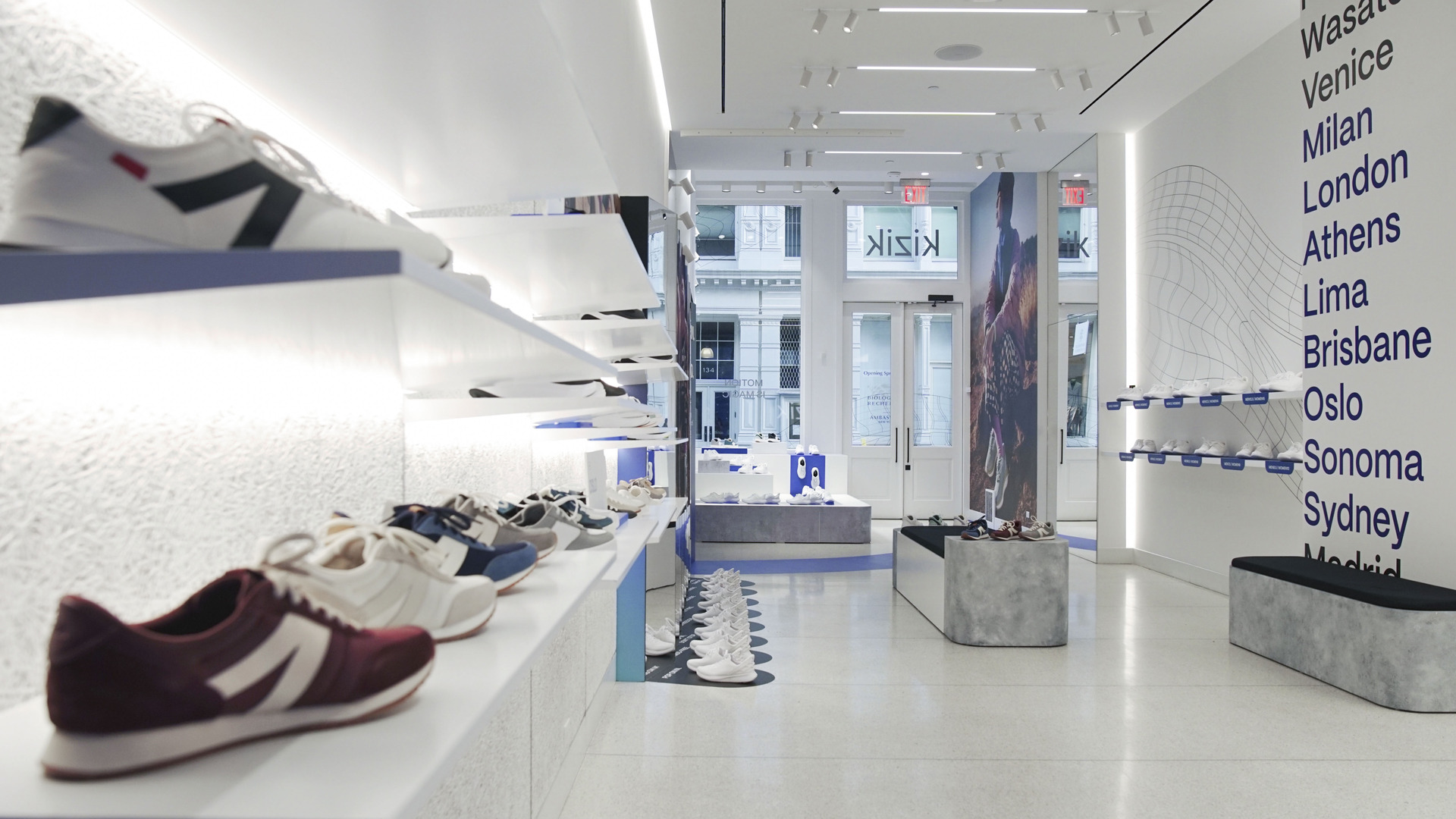
MG2 has been working closely with digital-native, direct-to-consumer footwear brand Kizik to bring its hands-free technology to brick-and-mortar. Kizik’s experiential pop-up on Greene Street in New York’s SoHo neighborhood introduced the brand for the first time to a New York audience—consumers, traditional media, and influencers.
At the entrance of the space, a “conveyor belt” display of footwear led to the brand’s AHA moment, a “hands-free try-on” experience to determine fit and size. The entire process of shopping the pop-up was frictionless. A full range of styles were displayed and drop shipping allowed consumers to purchase their shoes without the hassle and inconvenience of lugging them around the city.
Motion, visualized through dynamic lighting, was a theme throughout the pop-up. Digital screens conveyed Kizik’s new tagline: “Motion is magic.” After engaging with the brand, consumers were invited to unlock a mystery door at the back of the store which led to an illuminated portal. An immersive and interactive color display allowed them to use their bodies to create a personalized light show.
The Kizik pop-up provided an immersive experience that evoked a sense of endless possibilities, showcasing the magic of motion. Originally scheduled to run for one weekend, the pop-up was so successful, it was extended an additional five weeks.

随着整体健康理念在社会中扎根,营销人员正在探索与顾客沟通的新方式,以促进健康。“从生活方式的角度来看,品牌可以做出各种各样的承诺,” MG2 负责人梅丽莎·冈萨雷斯 (Melissa Gonzalez) 说道。 “它可以是任何东西,从新产品到美容部门的部分,从健康的角度解释其好处,再到对环境问题的认识。”
“2024 年 1 月 整体健康报告 从 MG2 公告 该集团探索营销人员如何利用其所认为的下一个健康前沿:零售店。报告指出:“通过以健康的视角评估传统的店铺设计元素,品牌有机会打造更全面的环境,而不仅仅是物质层面,并兼顾认知、情感和精神健康属性。”

Recently highlighted in Retail TouchPoints by Editor Adam Blair, 为了刺激:满足所有人的餐饮娱乐体验 dives into the key drivers of a successful eatertainment venue.
“There’s a reason that ‘eat’ comes first in ‘eatertainment.’ ‘People want to have a one-stop destination, and if you can do that successfully, you’ll earn more of their time and wallet,’ said Melissa Gonzalez.”