梅丽莎·冈萨雷斯被宣布为零售业拓展峰会暨博览会演讲嘉宾

MG2 负责人 Melissa Gonzalez 将于 10 月 15 日在墨西哥城举行的零售扩张峰会暨博览会上发表主题演讲,探讨周到的零售设计如何将商店转变为目的地。
凭借其在体验式零售和快闪店领域的开拓经验,梅丽莎将分享在如今这个便利皆在线的时代,实体空间为何比以往任何时候都更加重要。她的演讲将探讨沉浸式设计和故事叙述如何帮助品牌吸引顾客注意力、延长顾客停留时间并建立持久的客户忠诚度。
MG2 负责人 Melissa Gonzalez 将于 10 月 15 日在墨西哥城举行的零售扩张峰会暨博览会上发表主题演讲,探讨周到的零售设计如何将商店转变为目的地。
凭借其在体验式零售和快闪店领域的开拓经验,梅丽莎将分享在如今这个便利皆在线的时代,实体空间为何比以往任何时候都更加重要。她的演讲将探讨沉浸式设计和故事叙述如何帮助品牌吸引顾客注意力、延长顾客停留时间并建立持久的客户忠诚度。
最新消息!MG2 负责人 Melissa Gonzalez 将与其他行业专家一起担任 Glossy Wellness Awards 的评委。该奖项旨在表彰那些通过活动、计划、产品、实践和创新,致力于改善人们生活质量和延长寿命,从而推动健康产业变革的公司。
NRF 2027:零售业盛会的演讲嘉宾阵容已公布,MG2 首席顾问 Melissa Gonzalez 将于今年一月在纽约市参与讨论。NRF 零售业盛会将汇聚来自零售业各领域的数千名领袖、创新者和变革者,共同探讨零售业的未来发展方向,我们期待您的光临。
奢侈品行业本身并未被重新定义,但消费者体验和评价奢侈品的方式正在演变。精湛工艺依然是奢侈品品类的基石,但消费者与品牌互动的方式、接触品牌的渠道以及对这些互动的期望都在发生变化。从快闪店到永久门店,从独立品牌体验店到百货商店,所有零售形式依然重要,但它们越来越被视为更大生态系统的一部分。
重要的不仅仅是品牌出现在哪些地方,而是每个环境如何随着时间的推移,共同构建消费者与品牌之间更广泛的关系。热情好客、健康养生、售后服务和个性化服务已成为奢侈品体验中不可或缺的组成部分。它们正在影响消费者在购买前、购买中以及购买后很长一段时间内对奢侈品体验的评价。
消费者仍然将奢侈品与品质、稀缺性和长期价值联系起来,但他们也越来越重视精心营造的环境、周到的服务以及能够产生更强烈的情感共鸣和持续参与感的体验。
在本报告中,我们将探讨实体空间如何适应人们对联系、服务、参与等方面的不断变化的期望,以及哪些因素正在塑造长期的品牌亲和力,同时继续强化仍然是奢侈品行业基础的工艺和质量。
完整报告可在本页底部下载。 现在就带我去那里!
根据我们的调查结果,奢侈品消费者分享了以下关于他们如何参与和感知奢侈品牌环境的关键见解,包括什么吸引他们,什么会降低体验,以及他们认为该行业的未来发展方向:

62% 受访者表示,品质和工艺是他们如今购买奢侈品的首要原因。然而,年轻消费者更加重视品牌所代表的意义以及它如何融入他们的生活方式,这标志着消费者的消费观念正在从单纯追求产品本身,转向追求产品所蕴含的意义和表达。

超过四分之三 受访者通常将奢侈品与拥有稀有或彰显身份的物品联系起来。同时,近半数受访者表示对私密、会员制的环境感兴趣,这表明虽然所有权仍然是基础,但价值是由围绕所有权建立的体验和人际关系塑造的。

50% 奢侈品消费者普遍认为,安静的氛围是高端体验的关键特征。他们也更加注重环境的流畅性、节奏感和易用性,这表明,流畅性和功能性与美学一样,对消费者对奢侈品的感知起着至关重要的作用。

超过 90% 越来越多的消费者开始关注奢侈品本身之外的其他方面,例如对酒店和旅行体验的兴趣,或者光顾豪华品牌酒店和餐厅。随着时间的推移,这些环境正逐渐成为消费者与品牌互动方式的核心。

接近一半 受访者表示,售后服务能够保障他们所购商品的价值,并建立对产品质量的信任。越来越多的消费者期望这种服务水平能够贯穿整个体验过程,这凸显了服务、连续性和长期支持的重要性。
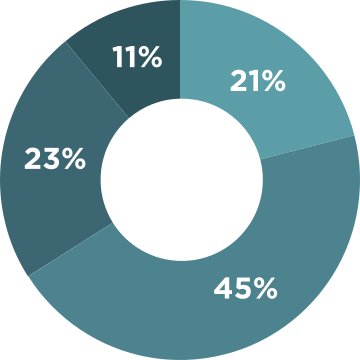

这些消费者注重品质和稳定性。他们关心产品的制作工艺、耐用性以及品牌是否兑现承诺。他们不太追求新品,更关注经得起时间考验的产品。

这个群体正在建立他们与奢侈品之间的联系。他们以进步和自我表达为动力,并且乐于接受不同的参与方式,无论是通过产品、体验还是品牌故事。

这些消费者受品牌知名度和认可度的驱动。他们会被那些能够清晰传达身份地位的品牌和环境所吸引,无论这种身份地位是通过产品、服务还是整体环境来体现的。

这些消费者最看重品牌如何关怀他们。他们渴望获得持续、贴心、个性化的体验。重要的不仅是产品本身,还有围绕产品提供的服务、后续跟进和支持。
传承收藏家重视克制、长久性和持久品质。身份追求者优先考虑知名度、渠道和文化相关性。抱负成就者倾向于沉浸式体验、生活方式参与以及更容易接触到品牌的方式,而受关怀的消费者则更重视细致入微的服务、情感上的舒适感和支持性的体验。
与此同时,许多期望依然保持不变。宁静、私密、氛围、个性化和周到的服务仍然是奢华体验的核心要素。而成功拓展和发展的契机,在于如何将这些期望体现在不同的环境中、提供的服务以及不同的互动方式中。
实体空间是关系的基础设施,支撑着从便利设施到医疗保健等各个环节。最强大的奢侈品牌不仅仅提供更多体验,更致力于打造连贯、目标明确且清晰体现品牌理念的系统。
随着品牌拓展到新的形式和服务领域,机遇不在于进一步扩张,而在于了解哪些价值形式对不同的消费者最重要,以及实体空间如何随着时间的推移支持更长期的情感联系。


好消息!VMSD 近日公布了 2026 年顶级零售设计公司榜单,MG2 位列 #4。
这是我们双方合作开发的成果 咨询 与设计团队合作,该理念将行为洞察转化为完整的顾客旅程,涵盖从顾客到达超市到结账的整个过程。它既支持快速高效的购物,也支持更具探索性的购物体验,拥有直观的布局、灵活的区域划分以及一个专注于透明化预制食品体验的中央“广场”。该超市的设计旨在反映并适应当地社区,融合了场所营造、技术和人际互动,打造出一个既实用又引人入胜的购物环境。
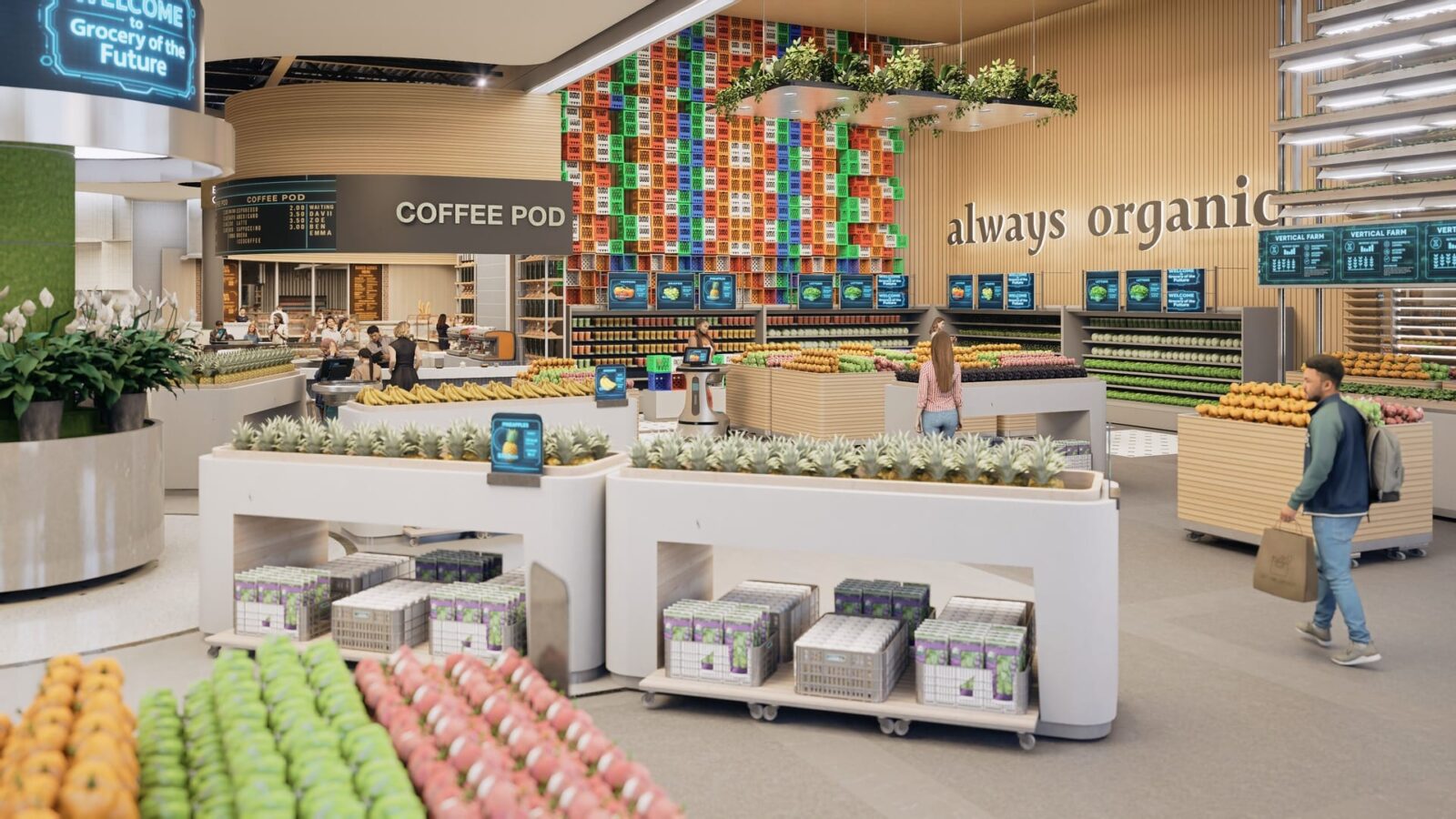
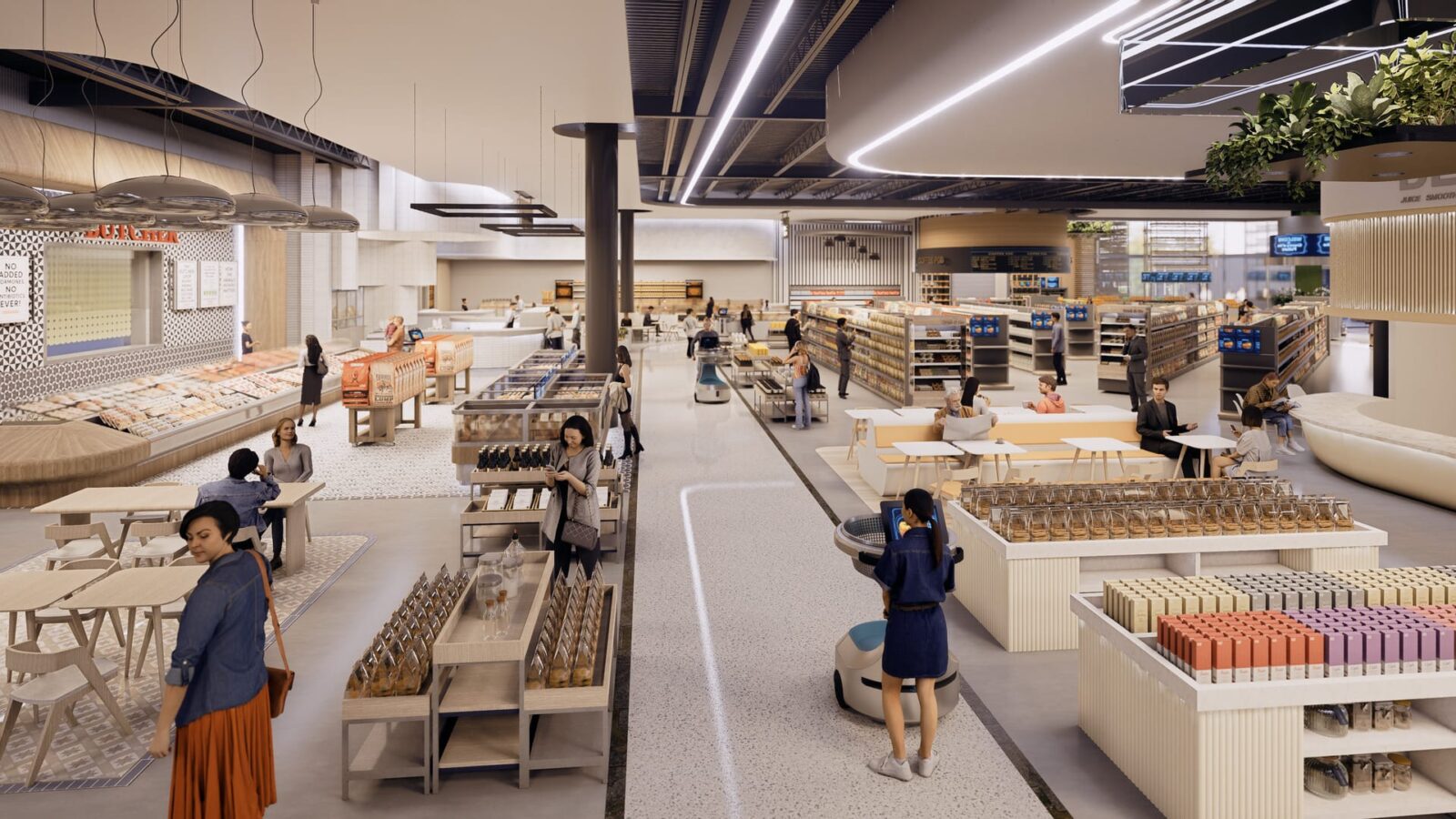
抵达体验直观便捷,流程简化流畅,社区融入其中。新鲜至上,高科技垂直农业技术得以充分发挥。行动顺畅无阻,导航清晰明了,信息传递个性化。一个反映其所在社区特色的市场,为顾客带来沉浸式体验。便捷性与品质兼顾,机器人确保高效运作,厨师们则倾力打造美食盛宴。最后一刻与最初时刻一样令人难忘——融入社区,享受流畅的自动化体验。
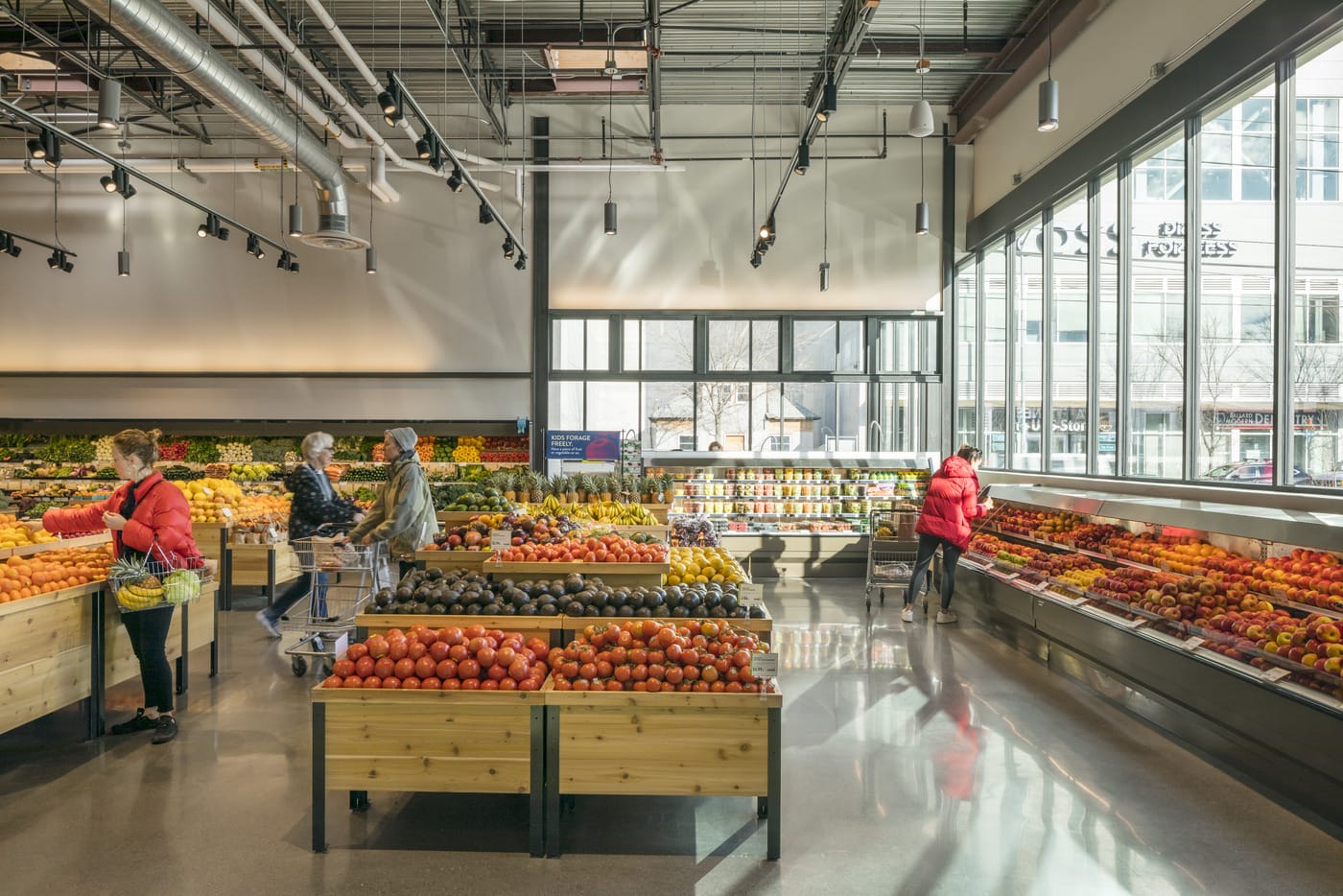
请查看我们近期发布的关于超市设计趋势的报告:

在《女装日报》的一篇文章中,安德烈·克劳迪奥探讨了可持续性对当今购物者的意义,其中包括 MG2 负责人梅丽莎·冈萨雷斯对不断变化的消费者期望的看法。
“Z世代和千禧一代对可持续发展的思考比前几代人更为广泛,他们不仅关注回收材料或环保产品,还会考虑产品的生产方式以及零售体验的整体影响,”MG2零售策略师兼负责人梅丽莎·冈萨雷斯告诉《采购杂志》。“对他们而言,可持续发展延伸到店铺设计、运营和品牌足迹,促使他们期望在购物环境的各个方面都能看到切实有效的承诺。”
在最近一篇 Retail Brew 的文章中,MG2 的负责人 Melissa Gonzalez 分享了她对店内体验的见解。
“MG2 Design 的负责人 Melissa Gonzalez 专注于门店设计,她告诉 Retail Brew:‘对于 Z 世代和 Alpha 世代来说,他们想要的是社群、互动和触感。’”
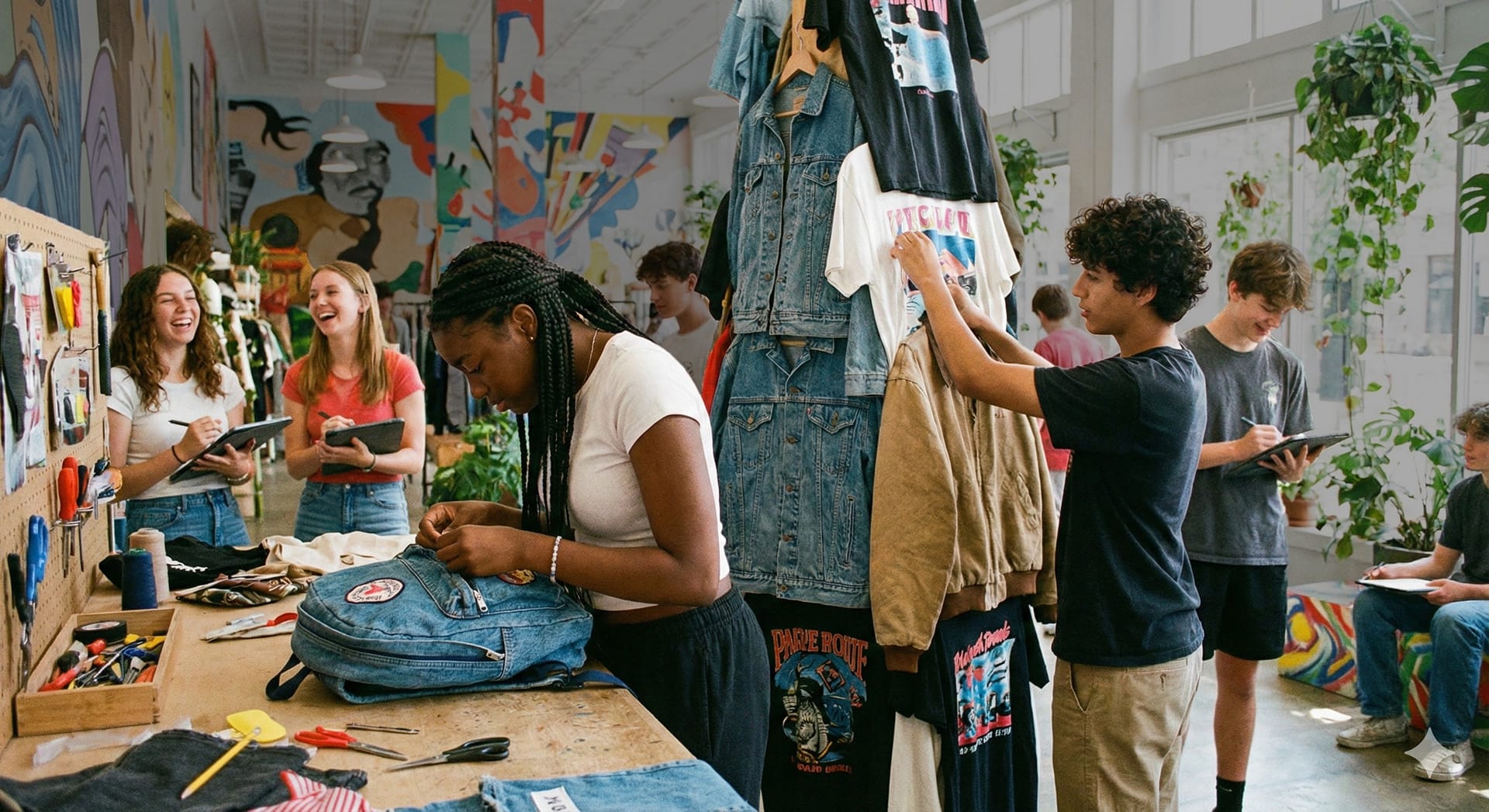
在最近的一篇文章中,Marketing Brew 的高级记者 Katie Hicks 探讨了 Alpha 世代如何改变店内体验。
老一辈人见证了生活的方方面面从线下转向线上,包括购物。但随着年轻一代在家庭和学校之外寻找休闲场所,并看到创作者鼓励他们亲自去实体店购物,这种趋势或许正在逆转。零售咨询公司MG2 Advisory最近的一项调查发现,阿尔法世代中有73%的人更喜欢传统的实体店购物,而不是网购。

VMSD近日公布了2026年度设计师十二强名单。MG2建筑与室内设计师Maria Barrios荣登榜单!
玛丽亚分享道:“我从小就沉浸在美术和表演艺术(绘画、舞蹈和素描)中,后来又系统地学习了平面设计、室内设计和建筑。零售设计对我来说就像是所有这些学科的完美交汇点。它融合了故事讲述、品牌塑造、空间感知和人性心理学。我尤其着迷于全球零售品牌如何通过实体空间与不同文化背景的人们建立联系。零售让我能够设计出不仅功能齐全,而且充满情感和体验感的环境。”

MG2校长 比尔·斯利斯 3 月 9 日,他将与 VASA Fitness 首席增长官 Christopher Tarrant 一起在 SPECS 上发表题为“旧物新用(且有价值):适应性再利用策略”的演讲。
在《地板覆盖物新闻》的一篇文章中,史蒂夫·费尔德曼探讨了阿尔法世代及其对零售业的影响,并引用了 MG2 Advisory 的研究。
信不信由你,阿尔法世代已经开始对零售业产生影响。专注于零售业发展的MG2咨询公司的梅丽莎·冈萨雷斯撰写的一份报告揭示了一些有趣的研究成果。例如,阿尔法世代正在影响并启发他们生活中成年人的购买决策。虽然成年人最终掌握着购买力,但阿尔法世代的70%成员表示,他们生活中的成年人经常会购买他们推荐的商品,这表明他们不仅影响着家庭的购买决策,而且还在塑造着跨世代的潮流和品牌忠诚度。他们积极参与购买决策,并在网上分享他们了解到的信息。正因如此,商店环境不能忽视在其空间内流动的各个年龄段的人群,因为即使没有信用卡,阿尔法世代也已经开始影响品牌和商店的呈现方式。
在 INSTORE 杂志的“借鉴智慧”专栏中,MG2 负责人 Melissa Gonzalez 分享了适用于零售行业的商业建议。
“作为领导者,我们必须停止忽视那些细微的信号。当你的身体发出警告,当你的团队感到不安,当你的直觉低语时,停下来倾听。这些低语往往蕴含着你需要的智慧,帮助你调整方向、保护团队或开辟新的道路。”——梅丽莎·冈萨雷斯,建筑设计公司MG2的负责人。
在《零售公报》的一篇文章中,格林·戴维斯探讨了年轻消费者如何接受店内体验以及零售业中“摩擦”的价值。
“看来阿尔法世代(8至14岁)意识到在生活中增加一些摩擦的好处。根据MG2的研究,多达73%的人更喜欢在实体店购物。他们从小就习惯了网购,现在认为实体店购物是一种更新颖的体验,他们想要一些实际的购物活动。”
在 Erin Cabrey 最近发表于 Retail Brew 的一篇文章中,MG2 负责人 Melissa Gonzalez 分享了她对 Alpha 世代零售偏好和影响力的见解,以下是文章节选。
“虽然Z世代也更喜欢实体店购物体验,但Alpha世代则更注重店内互动,超过一半的Alpha世代如果店内没有可以试用的产品就会离开(这种试用体验正是丝芙兰深受Alpha世代喜爱的原因之一)。冈萨雷斯认为,这种偏好源于他们从小就在虚拟世界中进行社交互动。”
MG2 负责人 Melissa Gonzalez 最近做客 Natalie Berg 的播客节目《零售业的颠覆》,探讨体验式零售的未来、为什么数字原生品牌要投资实体店,以及以目标为导向的领导力如何重塑零售业。
在 VMSD 的专题报道“2026 年趋势:昨日的明日?”中,Janet Groeber 与 MG2 的负责人 Bill Sleeth 探讨了我们今年将会看到的趋势。Bill 详细阐述了酒店服务业如何持续影响零售体验。
“那些致力于与顾客建立长期关系的零售商,总是会以热情好客的理念来打造顾客体验,提供礼宾服务、专属优惠和高档座椅等便利设施,营造出更像休息室而非商店的氛围。”
在最近的一篇文章中,《Floor Daily》刊登了 MG2 负责人 Melissa Gonzalez 的见解,探讨了阿尔法世代如何重塑零售和消费者行为。
“‘阿尔法世代虽然年轻,但他们的影响力已经不容小觑,’MG2咨询公司负责人、Z世代报告的作者梅丽莎·冈萨雷斯说道。‘他们正在影响家庭的购买决策,加速潮流周期,并重新定义品牌赢得关注和信任的方式。’”
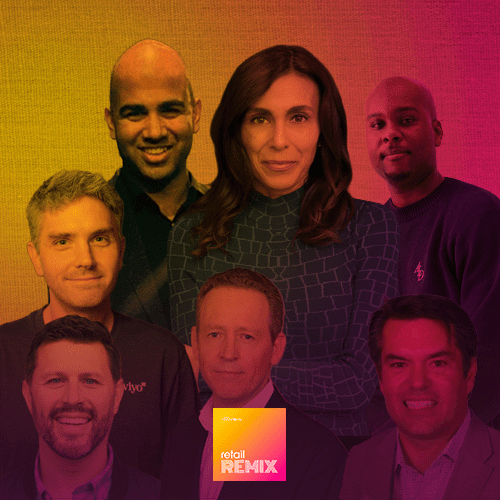
在 Retail TouchPoints 的 Retail Remix 节目中,主持人 Nicole Silberstein 回顾了行业专家们在 2026 年仍然具有重要意义的杰出见解,其中包括 MG2 负责人 Melissa Gonzalez 的见解。
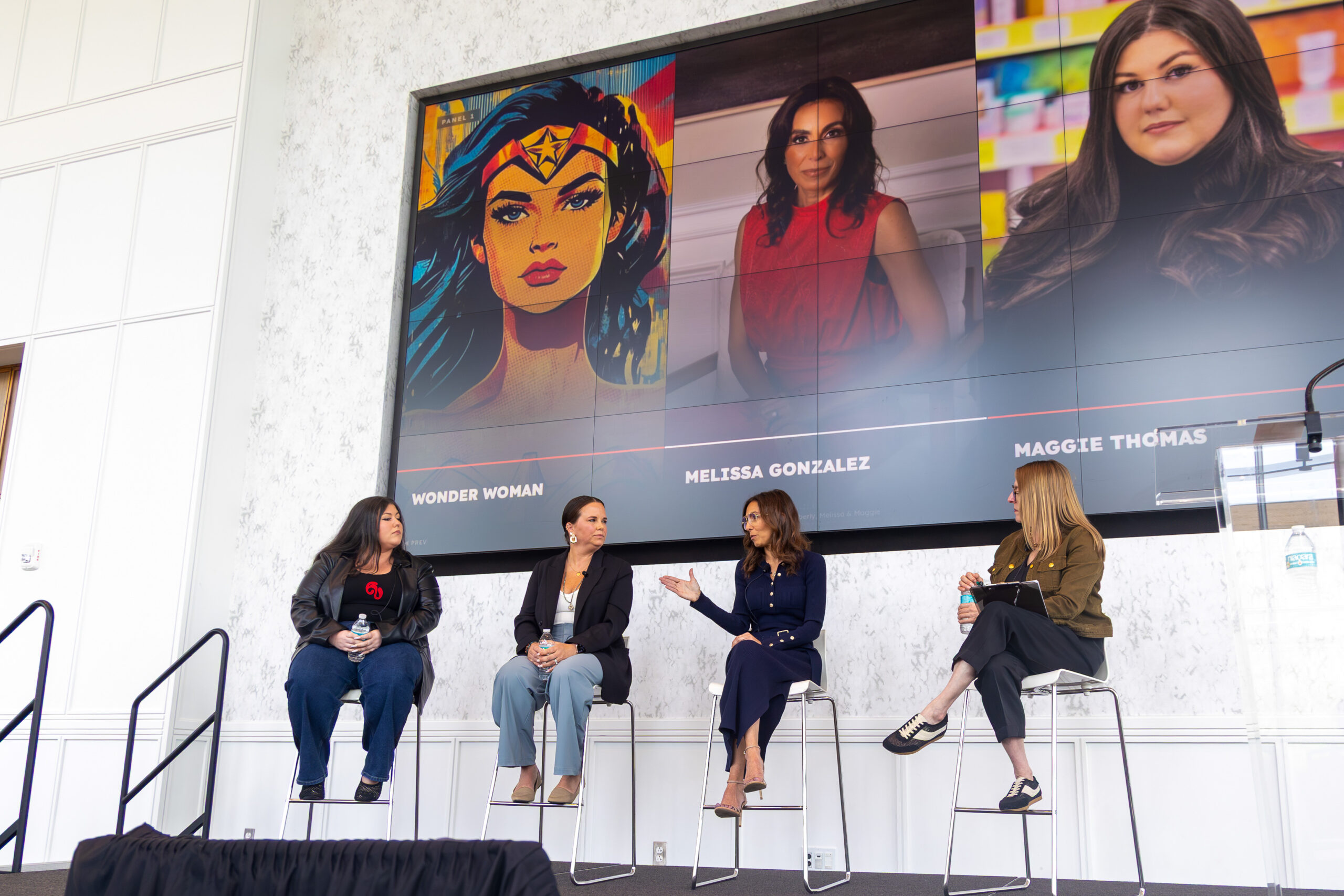
如果您错过了上个月在俄亥俄州哥伦布市举办的首届“像她一样领导”活动,您仍然可以体验一番。在《罗宾报告》的“像她一样领导”系列节目中,MG2 的负责人梅丽莎·冈萨雷斯与雪莉·E·科汉一起探讨了领导力发展以及当今零售环境的现实情况。
他们当中年龄最大的也只有14岁,即便没有自己的信用卡,他们也已经开始影响品牌和商店的呈现方式。他们比以往任何一代人都拥有更多选择,并且熟练掌握智能手机、平板电脑、电脑、数字世界、虚拟现实和人工智能工具,在适应能力以及对便捷性和效率的期望方面,他们正迅速超越Z世代和千禧一代。他们能够自然地穿梭于数字空间和实体空间之间,他们的文化和商业影响力正在加速增长,因此,了解他们当下的喜好以及未来几年他们对品牌和零售商的期望至关重要。本研究探讨了阿尔法世代如何首次发现品牌,他们希望在交易之外如何与品牌互动,以及为什么他们能够激发和影响跨世代的购买决策,不容忽视。
完整报告可在本页底部下载。 现在就带我去那里!
根据我们的调查结果,Alpha世代消费者分享了以下关于店内设计和活动策划方面他们最关注的关键见解。总体而言,他们希望与品牌进行有意义的互动,积极参与购物过程,并明确表达他们对家庭购买决策的影响力。

97% 阿尔法世代 希望帮助品牌做出设计决策从测试新产品、为产品开发提供信息,到塑造商店环境的外观和感觉,都表现出强烈的成为品牌社区积极成员的愿望。

73% 阿尔法世代 他们更喜欢在实体店购物,以便完全沉浸其中。 在品牌环境中,他们重视亲身试用体验,这让他们能够探索产品、验证购买决定,并与品牌建立更深层次的联系。

3/4 阿尔法世代 例如店内食品和饮料供应 促使顾客在店内停留更长时间。这些体验让购物更愉快,鼓励探索,并提供社交机会,从而加强顾客与品牌的联系。

66% 阿尔法世代 依靠清晰的店内标牌 引导他们的购物之旅,兼顾可预测性和探索性,并体现他们对在线互动所期望的简单便捷。

70% 阿尔法世代报告称,他们生活中的成年人 经常购买他们推荐的商品这表明,它们不仅影响家庭的购买决策,而且还在塑造跨世代的潮流和品牌忠诚度。
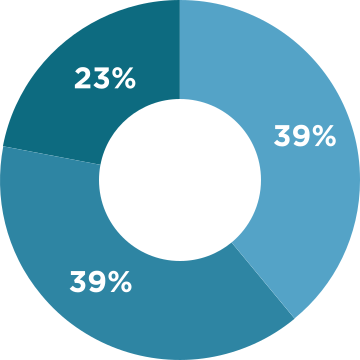

这类人喜欢自主决策,并且偏爱能帮助他们保持专注的商店。他们购物时目标明确,充满自信。

这些人注重时尚,并且会关注商店是否把他们当作真正的顾客对待。他们希望感到被关注、被重视,而不是仅仅被视为父母的延伸。

这类人群希望品牌能够认可他们的兴趣和发展方向。他们寻找能够体现自身个性的店铺,并避免那些限制他们的品牌。
阿尔法世代或许是当今最年轻的消费者群体,但他们的影响力正在重塑品牌和零售商对互动方式的思考。这一代人重视自主性、好奇心和玩乐精神,他们能够自如地穿梭于数字世界和现实世界之间,并期待清晰、互动且有意义的体验。他们渴望亲身探索、个性化体验和参与机会,从而建立更深层次的联系,并影响着不同世代的家庭购买决策。信任源于真实性和可见的行动,而非空洞的承诺;科技必须提升而非分散品牌体验。能够赋予阿尔法世代探索、体验和参与机会的商店,将赢得他们的关注和忠诚。通过设计兼顾可预测性和探索性的体验,品牌可以与这一已经产生深远影响的世代建立持久的联系。

MG2 的负责人 Melissa Gonzalez 将于 1 月 11 日星期日与 Pattern Beauty 的 Christiane Pendarvis 一起在纽约举行的 NRF '26 上发表演讲。了解如何在多渠道零售环境中取得成功,深入了解零售商如何通过协调团队、统一数据和库存以及提供一致的客户体验来制定有效的战略。
在最近一篇由编辑 Adam Blair 撰写的 Retail TouchPoints 文章中,MG2 首席顾问兼 MG2 Advisory 创始人 Melissa Gonzalez 探讨了 2026 年零售业预测。
“零售业的下一个时代将由人们日益增长的对身心疗愈的渴望所塑造。多年来,消费者饱受疲惫、慢性压力和情绪超负荷的困扰,如今他们正转向那些积极维护自身健康的品牌。他们寻求的是能够保存能量而非消耗能量的产品、服务和环境,是能够帮助他们调节身心、重获新生、回归自我的空间。那些将情绪清晰度和神经系统健康放在首位的零售业将成为决定性的差异化因素。”
MG2 高级项目设计师 Eladio Victoria 和负责人 Melissa Gonzalez 与 Floor Focus 杂志的 Jessica Chevalier 进行了对话,分享了他们作为设计师对零售业的看法。
“我们通过地板营造情感触点来建立联系,”MG2高级项目设计师埃拉迪奥·维多利亚说道。“我们将地板和天花板结合起来,在零售空间内打造一些热点或体验区,同时也与社区建立联系,尝试使用当地材料通过地板来唤起一种存在感,让消费者了解他们所处的空间。”
 English
  简体中文
简体中文