“Changing guest and owner demands mean new normals in hotel construction. Here are some tips for what hoteliers should keep in mind when starting a construction project, whether it’s a new-build, an expansion or a gut renovation.”
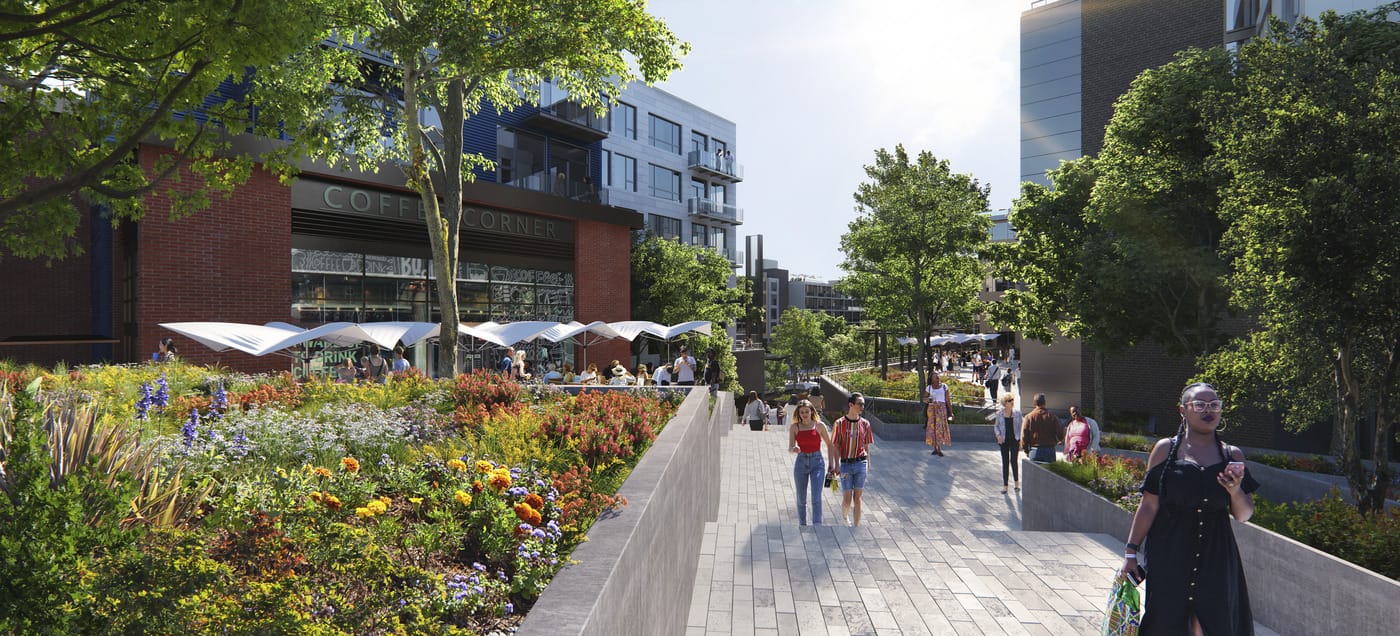
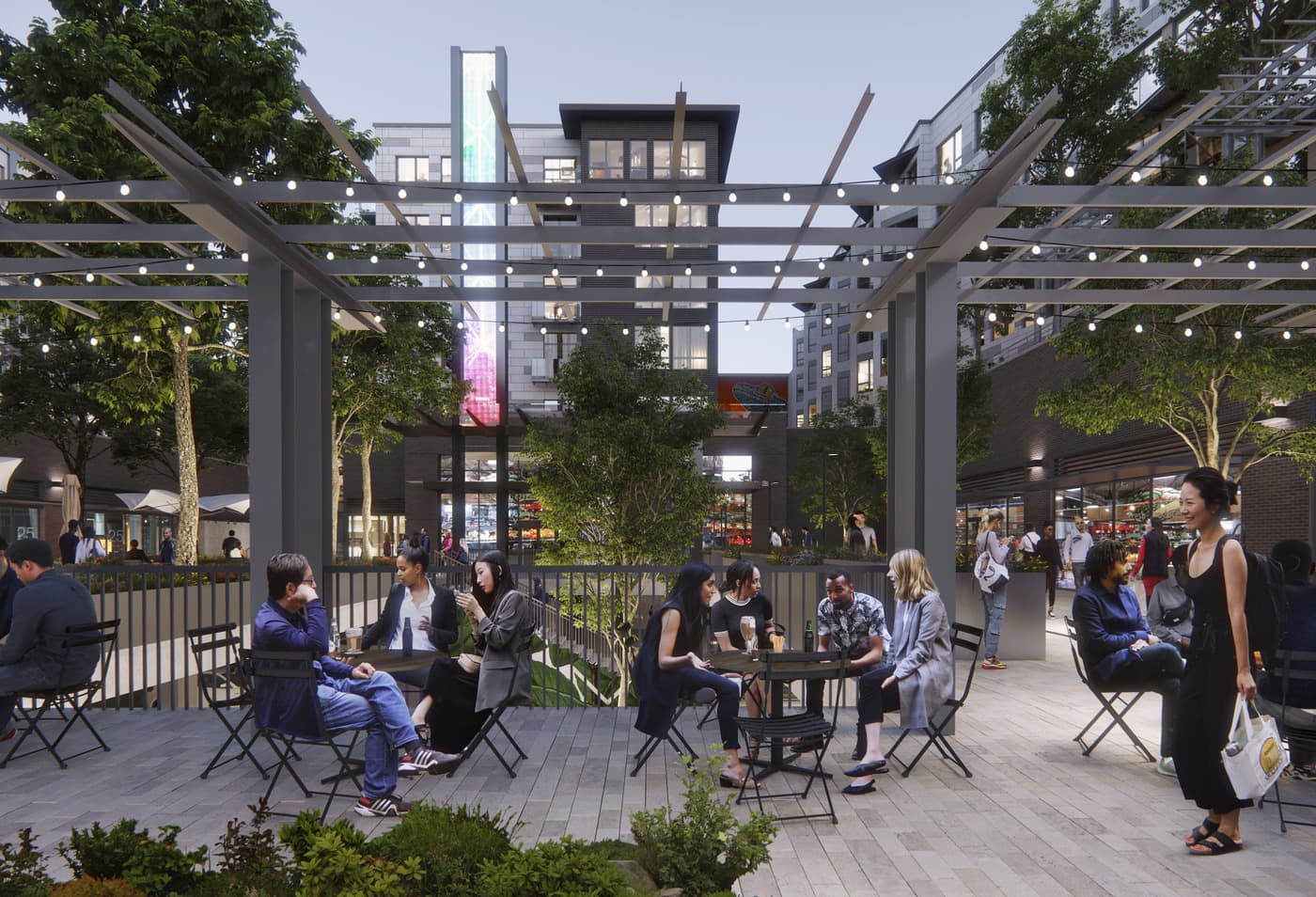
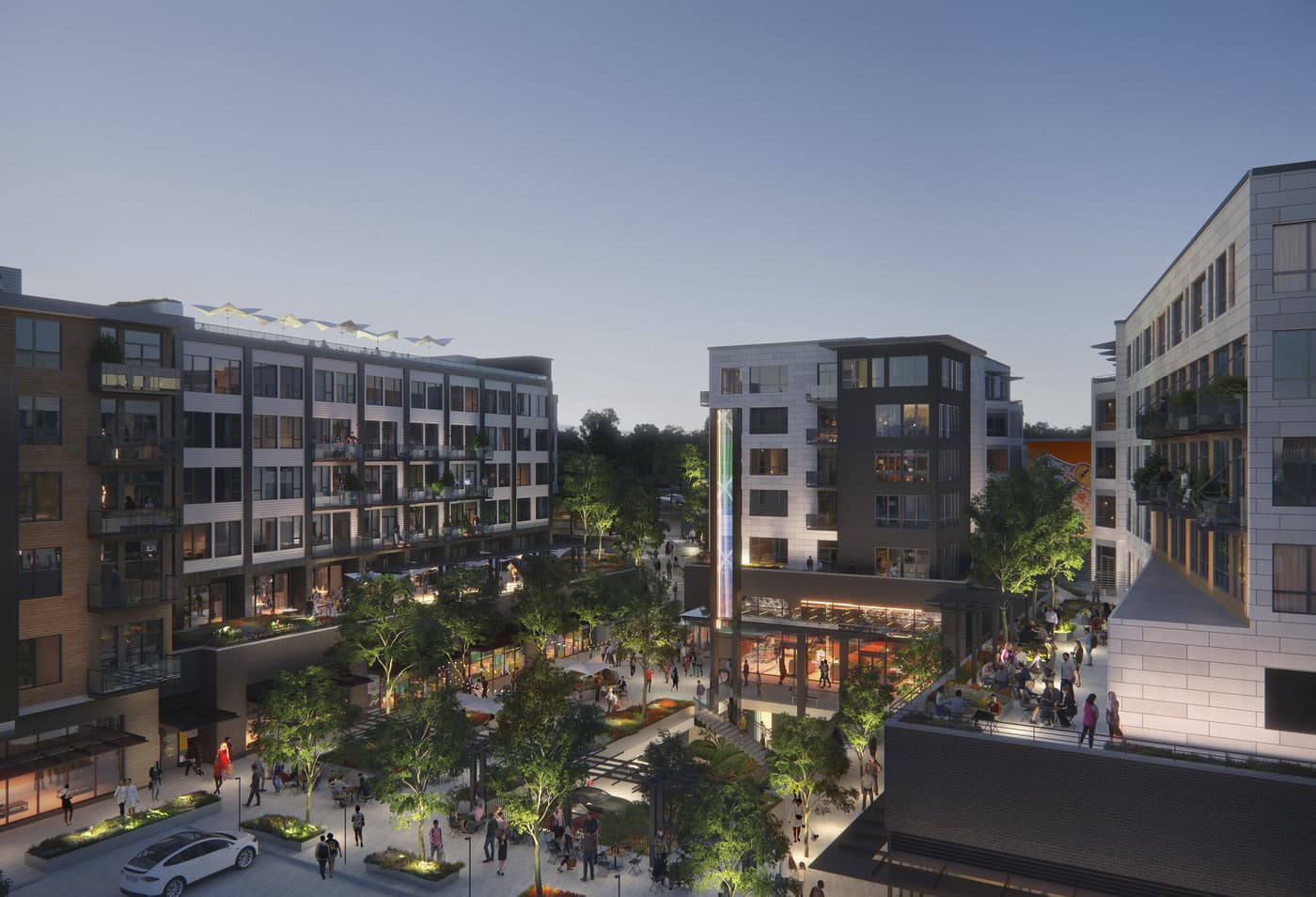
To create Healthy Communities, MG2 has expanded on the traditional live-work-play model, adding the more intangibles of “nourish,” “learn” and “move.” The plans for Crossroads, in Bellevue, is one example. At Crossroads, we intentionally knit residential, retail, and green space into the fabric of the community and improved connections to transit and community hubs for a pedestrian experience throughout and beyond the property.
Two birds, one solution: Can we solve urban last mile distribution & housing challenges at the same time?
6 月 2022 / By Victor Malerba, Jr.
It’s no secret that with each passing year, cities in the United States become more and more populated. By July 1st, 2022, usapopulation.org estimates that New York City will reach 8.865 million residents. With this rise in density comes numerous development challenges. Among them: abundant, accessible multifamily housing for individuals and families, and last mile distribution solutions for companies servicing urban neighborhoods and their surrounding areas.
But what if, in cities like New York, we could solve both challenges at once? What if we could optimize footprints vertically to—proverbially—kill two birds with one stone? Is it feasible to design and build a solution that houses both residential tenants 和 the complex operations of a last mile distribution center, one that allows them to co-exist in the same building in harmony, without the two worlds interfering with or disturbing one another?
Overseas, these concepts are already becoming a reality. Well-versed in the intricacies of both markets, designers in MG2’s Shanghai office have been working on hybrid-use, single footprint solutions in Korea’s rapidly growing cities for years. From Gocheok, to Pyeongtaek, to Jichuk, warehouse facilities in Asia have been designed to co-exist in harmony with both residential and office towers that rise above. With these complex projects, however, comes a series of considerations that span design, operations, logistics, local government regulations, and perhaps most intricately, structural challenges.
So what do those considerations look like for us in urban sprawls like the Tri-State area, and more importantly, is it possible to overcome them and create our own single-footprint solutions for multifamily housing and last mile distribution?
1. Buy-in from every stakeholder is paramount.
As with all good projects, acceptance and approval from all concerned parties are critical to the success of any real estate venture. For a mixed-use urban building that houses both multifamily residences and a last mile distribution center or warehouse space, stakeholders can include city governments, jurisdictions, developers, commercial tenants, and representatives of the local community.
Pushback from neighborhood residents and city entities over concerns of traffic, noise, and potentially a loss of tax dollars are becoming more prevalent, while simultaneously viewing the potential plus of an “increase in jobs” as perhaps not the “right kind” of local jobs for their district.
Developers or commercial tenants who don’t want to have to worry about the complexities that arise from sensitivities, restrictions, or even potential violations that might occur from being in such close proximity to residential inhabitants may see these cons outweighing the pros, and want to avoid the venture altogether.
It sounds like an uphill battle to be sure, but the secret to success with this concern is a multifaceted understanding of each stakeholder’s individual concerns, objectives, goals, and desires, as well as the design and logistics intricacies of each market. With this expertise leading the way, each piece of the puzzle is heard, understood, addressed, and solved for in the final product.
While human-centered conversations with those involved in and affected by this unique type of development are a necessary first step, investments in sustainability can also play a role in helping sway the tides of stakeholder buy-in. With many developers today pursuing LEED certification for all of their projects, the additional integration of EV capabilities into commercial facilities, as well as other sustainable initiatives that benefit cities, companies, and communities alike, can play a huge role in shifting the viewpoints of those involved.
2. Ensuring operations, logistics, and everyday life together in harmony.
With two building systems living on the same footprint, there are dozens of operations and logistics factors that need to be taken into account for both, particularly in an urban environment. Last mile distribution facilities can often operate around the clock, and the noise that stems from the warehouse itself, as well as the receiving bays of a 24-hour operation, has the potential to be a major disruptor to the lives of those above.
Harmonization of the vertical transportation and traffic flow of delivery trucks and facility employees with residents’ vehicles in what might be a complex, multi-tiered parking system is paramount. Additional considerations for both warehouse staff and residential tenants include safety, security, privacy, lobby areas, access to street frontage, and more.
For these two ventures to co-exist and operate in harmony within the same building, intimate expertise is required in not only the daily logistics and flow of commercial facilities and multifamily housing, but also in the built asset management required for the optimization of operational upkeep for each typology, and where these two programs will differ and overlap.
3. Accounting for and optimizing every facet of building design & structural challenges.
Furthering the operational hurdles that accompany this new mixed-use typology are, of course, the configuration challenges behind designing and constructing two different building systems into one structure.
In addition to considerations like the optimization of the transfer slab for the grids of commercial, parking, and residential, the mix of uses and separations as well as strict regulations from the city for each typology need to be clarified and implemented. For example, the ordinances for elements such as emergency evacuation routes, fire separations, and sprinkler systems for multifamily housing differ from those in commercial facilities, but with each of these typologies living on the same footprint, mandates for both need to be factored in the structure’s design.
While tackling mixed-use projects like these in Korea, designers have noted that, with residential above, the column spacing and layout of the last mile delivery warehouse floor are affected. This, in turn, affects components such as the size and shape of these columns, the location and height of industrial steel racks, and the space required for forklift and personnel maneuverability and traffic optimization.
By employing cross-market expertise and designing solutions for both typologies in tandem, developers have the opportunity to bring to life these new, highly desirable mixed-use building types in urban settings. Making this concept a reality in a metropolis like 纽约 or its surrounding areas is not only possible, but practical for the future of companies, cities, and urban communities alike.
Brought in to renovate the historic Fairmont Olympic Hotel in Seattle, the contractors working with MG2 pulled up the carpeting on the main staircase and landings and were surprised to discover the hotel’s original terrazzo floors that had been hand-laid by artisans in 1924. “Replacement carpeting had already been ordered, but the unearthed terrazzo floors were too beautiful to cover up,” relates Shannon Suess, principal, MG2, Seattle. So instead, MG2 reached out to North American Terrazzo as they had experience with historic terrazzo restorations in the Pacific Northwest.
MG2 Unveils New Mixed-Use Development to Revamp Shopping Mall in Issaquah, WA
A recently unveiled plan will transform a 463,000 sf mall into a mixed-use destination site in the Seattle suburb of Bellevue, Wash. The MG2-designed Crossroads project includes a 205,381 sf multifamily residential complex, a 14,500 sf retail/commercial space, and 15,000 sf of green space.
Named after the adjacent waterway that forms the site’s southern boundary, Deer Creek Village serves Roseburg’s special-needs populations and veterans with PTSD. The development was carefully positioned to take into account the wetland area that covers a significant portion of the site. The building is organized around a central courtyard that overlooks the adjacent wetlands and woodlands abutting Deer Creek. Resident amenities include a bicycle storage room, a central laundry, an outdoor play area for both youth and adults, and a spacious community room with associated kitchen.
This garden-style development includes seven new wood-framed buildings organized around an existing historic house. The team managed the Historic Rehabilitation and the Historic Resources Design Review Process necessary for the renovation of the structure. Additionally, the preservation of Oregon White Oak trees creates a sense of permanence and naturally integrates the buildings into the neighborhood. An extensive on-site stormwater management system was designed to mitigate poor soil infiltration conditions. The team also prepared design documents in support of the funding application to Oregon Housing Community Services, helping to secure the award of tax credits.
The Independence Apartments completes the second phase of Independence Landing, a multi-phased redevelopment in downtown Independence. The development includes two buildings with 110 market rate units and fourteen townhomes. The townhomes along Osprey Lane create an urban edge facing the historic downtown. With expansive views of the Willamette River, the apartment complex includes a clubhouse with an outdoor pool and spa, a community room with kitchen and lounge, and a fitness center with locker rooms.
The Independence Hotel completes the first phase of Independence Landing, a multi-phased redevelopment in downtown Independence. The boutique hotel features a bar with wine tasting, spa, and roof-deck; all with extensive views of the Willamette River. The building responds to existing views and adjacent uses in a way that makes each room unique. The team crafted the building with acoustical separations and unit layouts that provide a home-like setting. This promises to be a catalyst for further downtown development and to activate a vibrant, multi-use, multimodal riverfront. This was a public-private partnership with the City and required close collaboration with City leadership as well as local business leaders.
As part of this multi-phased redevelopment project, The Jesse Quinn includes a mix of loft and live/work units. To activate the street frontage, building amenities, retail, and the live/work units are located on the first floor. One wing of the T-shaped building is slightly recessed from the street creating an urban pedestrian plaza adjacent to a rain garden. The exterior materials complement the historic nature of downtown. Amenities include a fitness room, a bike storage, on-site leasing offices, and a garden area with a play structure. A community room with a spacious outdoor deck is located on the top floor of the building to take advantage of expansive views.
The Oakway Mixed-Use Building is the latest addition to an existing and successful commercial center in Eugene, Oregon. MG2 designed a 7-story, mixed-use building which includes 24,000 SF of ground floor retail space along with basement parking and three levels of above-grade parking. The top three floors host a 130-guestroom Hyatt Place Hotel.
The design creates a pedestrian friendly “streetscape” between the new building and the existing retail. Strong emphasis is given to provide an exciting pedestrian experience along the building facades. This design maintains view corridors throughout key parts of the commercial center. Materials and forms build on the connection with the adjacent existing uses.
As directed by McKay Investment Company, MG2 collaborated with Chambers Construction to provide a phased project delivery and the team fast-tracked portions of the project to meet schedule constraints. Work on the below-grade portions began in January 2015. Hotel amenities include a plaza deck, 5th-floor pool and spa, fitness center, meeting facilities, light dining, and other features to support the 130 guestrooms.
Even before COVID drove people out into the fresh air, hotels were finding innovative ways to get guests outside, making outdoor spaces into valuable revenue generators. Here are some examples of how hotels are leveraging outdoor venues to drive income and maximize value.
When creating a new environment for a corporate client’s headquarters, it’s important to consider what makes the company stand out. Apart from establishing a unique voice for their brand, an architect who considers the experience this new space will create and how that will reflect the company’s mission statement and narrative is absolutely necessary.
To help you choose the right designer equipped to handle your building requirements, our team has listed the best office architects in Irvine, California. These firms were selected for their accreditations, certifications, and professional affiliations. We also considered the recognition each firm has received in the form of industry awards, client reviews, and press features. We have laid out the range of services the firms offer, their specializations, and the length of time they have been in the industry.
Flashy Amenities Or Home Offices? In High-Cost Environment, Apartment Developers Face Tough Choices
The effects of the pandemic have changed how developers are executing their plans for residential buildings: from adding video doorbells and new package systems to building bigger living spaces and home offices.
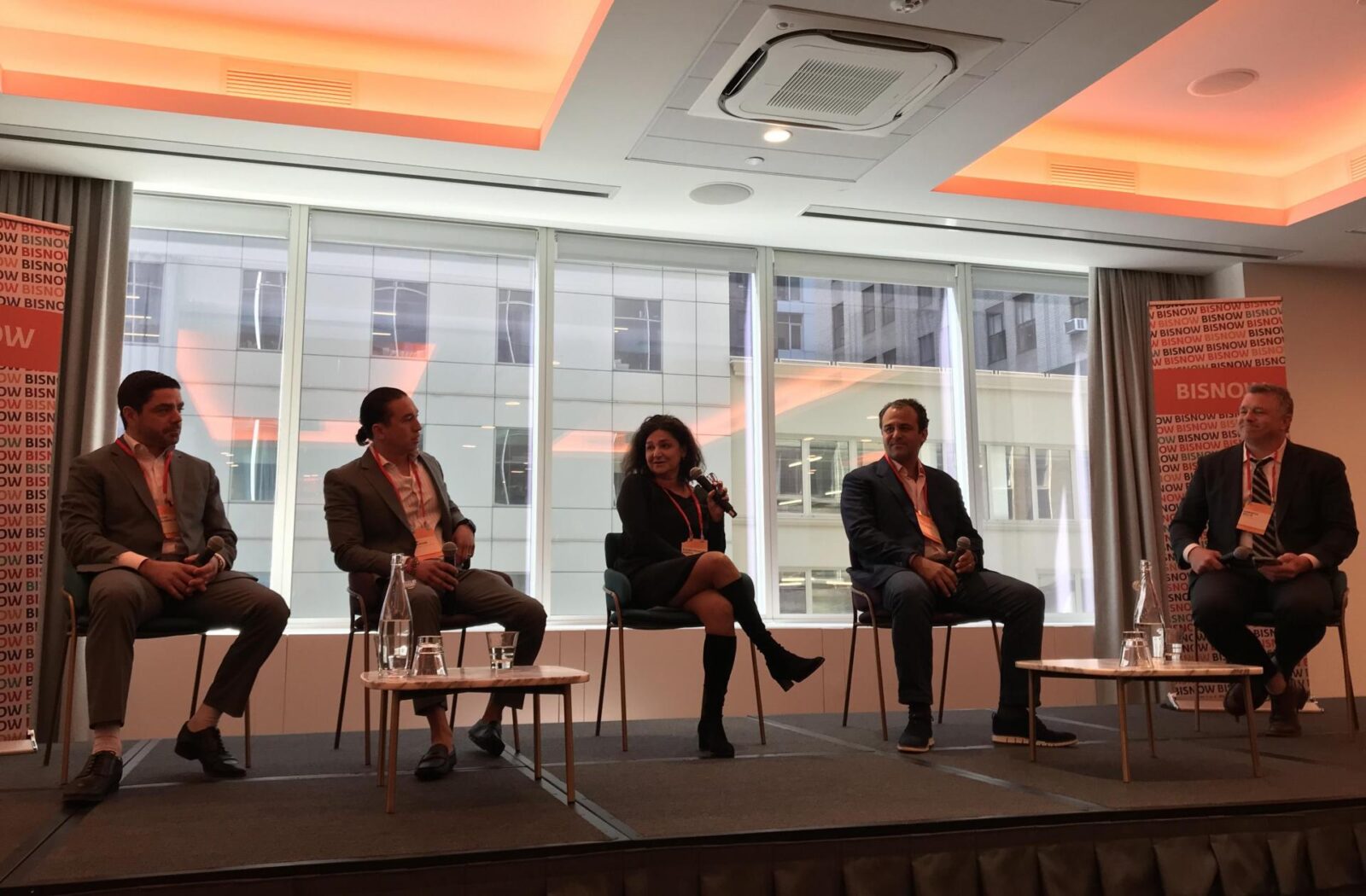
“It’s not just about the architecture anymore. You could design a nice space, the lobby could be fantastic, but what extras does it have?” MG2 Design associate principal Victor Malerba Jr. said at 比斯诺’s Tri-State Annual Multifamily Conference last week. “What’s the extra sauce?”
Apex at CityPlace, Overland Park, Kan., spans 693,000 sf in 13 buildings, including two office buildings, 18,000 sf of retail, and 366 luxury apartments and penthouse units with gourmet kitchens, quartz countertops, deep soaking tubs, and covered balconies and patios.
As Rent Spike Grabs Governments’ Attention, Multifamily Investors Brace For Regulation
Soaring rents across the country have kept the outlook for multifamily owners bright, but they could soon become a double-edged sword as politicians sharpen their focus on housing affordability and are increasingly proposing regulations that would cap rent growth.
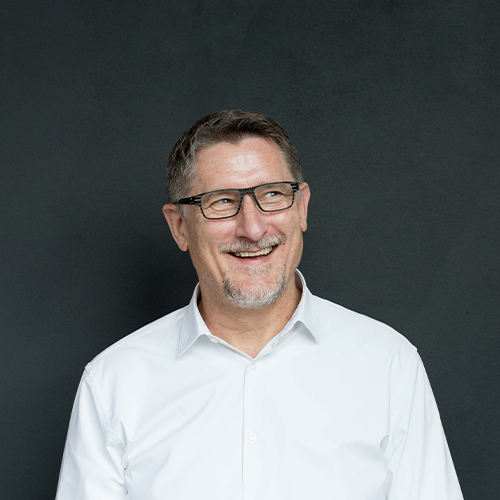
As one of the first 20 employees to join MG2, Smith quickly rose from project manager to CEO and chairman of the board by honing the craft of architecture. He perfectly balances delivery excellence with a design mindset, driving kinetic transformation long into the future.
“You can’t wait for a specific opportunity to arise to develop your staff,” Smith says. “You have to continually invest in and provide opportunities.”
MG2 Celebrates 50 Years of Award-Winning Architecture, Design, Strategy, and Branding
Perpetually guided by our vision to create transformative experiences that elevate everyday life, MG2 celebrated its fifty-year anniversary of delivering award-winning architecture and design projects across the globe.
In 2021, MG2 celebrated five decades of success. And true to our humble nature, we marked the occasion without much public fanfare. With the world still partially in lockdown, it was a challenge to truly celebrate how we’d originally intended. But the lavish parties we’d envisioned soon gave way to a whole host of virtual storytelling and celebratory experiences that were just as heartfelt and inclusive. And, in a way, it was more meaningful than we could have ever expected.
With everyone’s attention focused elsewhere the last year few years, it would have been easy to let this significant milestone pass by unnoticed. Instead, we decided to mark the occasion as much as the virtual nature of 2021 allowed: by documenting the big ideas of our leaders, elevating the perspectives of our diversifying employees, and putting it all out there, rough cuts, raw emotions, and real ideas.
To commemorate, we wanted to provide the firm with something new and unexpected. We curated numerous experiences and opportunities for staff to contribute throughout the year, with those compiled into a final physical and digital “zine” to encapsulate the past 50 years and look forward to the next 50. As a group of skilled visual designers and creative writers, our Creative Services and Marketing teams were uniquely positioned to bring the firm’s story to life through in-depth interviews, thought-provoking prompts, crowd-sourced ideas, and podcast-style conversations. We illuminated our people through photography, video, editorial design, and illustration. We shot for the moon.
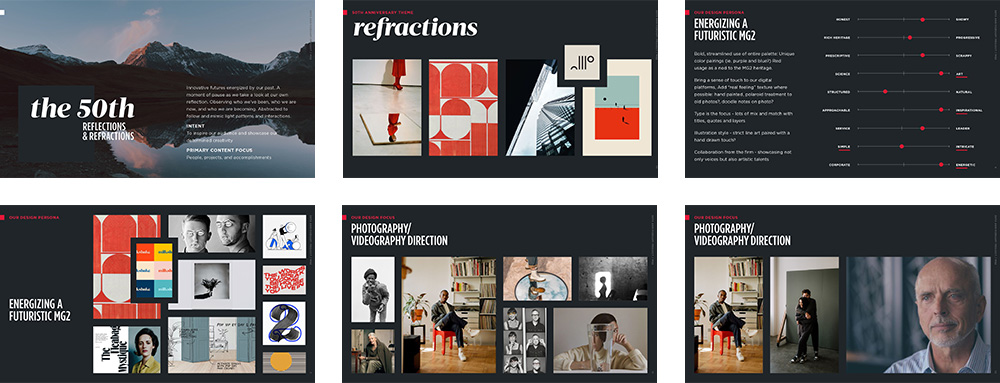
It was important to us that this celebration have its own personality. We wanted it to have characteristics inspired by our past, but also have a cool new slant inspired by the future we envision for ourselves. In debating whether we should celebrate our past or nod to the future, we realized, why not both? Thus our 50日 Anniversary theme of “looking both ways” was formed: by looking in the mirror and really asking, “who is MG2?” we can see the vision of our past refract into the future.
We looked past the traditional to pay homage to the innovative trajectory of our firm while honoring the grit and sheer determination our foundation is built on.
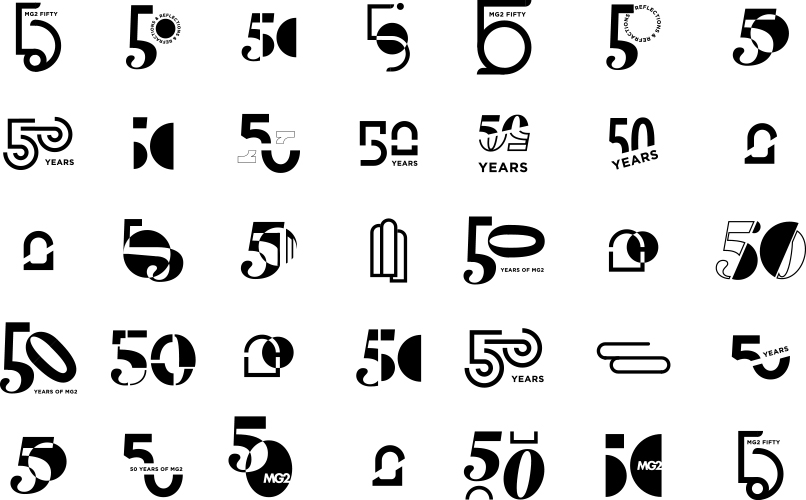
On the Creative Services team at MG2 we love round robin design. It’s a true melting pot for everyone to collaborate and put forward their ideas for iteration and improvement. We leveraged the tactic when developing our 50日 Anniversary logo: one of us started with a sketch, then passed it to the next person. They refined and then passed it on again. Rinse and repeat. Over time we started to tease out these amazing ideas that everyone had a hand in. And in the end, there’s no better feeling then when each of us looks at the final product and sees a little sliver of our original idea.
With so much incredible content to gather, we leaned into a physical format to feel like a time capsule and live on past our 50日 Anniversary. Our goal was to immortalize what this anniversary meant to employees from all experiences and perspectives, and bring it to life through something that was unique, artful, and a little rough around the edges. Something cool and fun to display on our coffee tables amongst editions of Rizzoli and Phaidon.
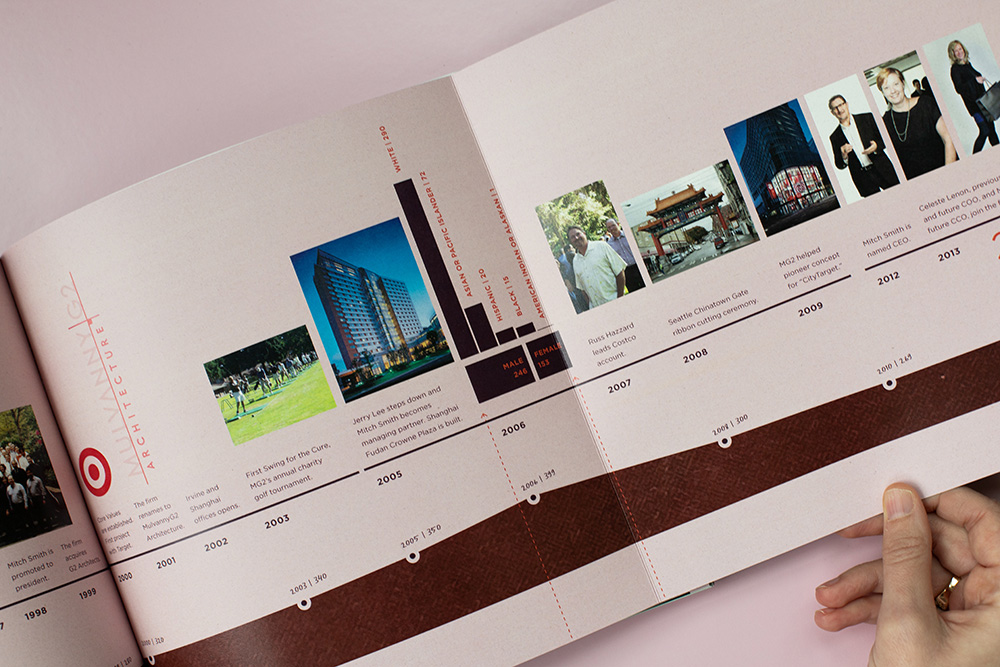
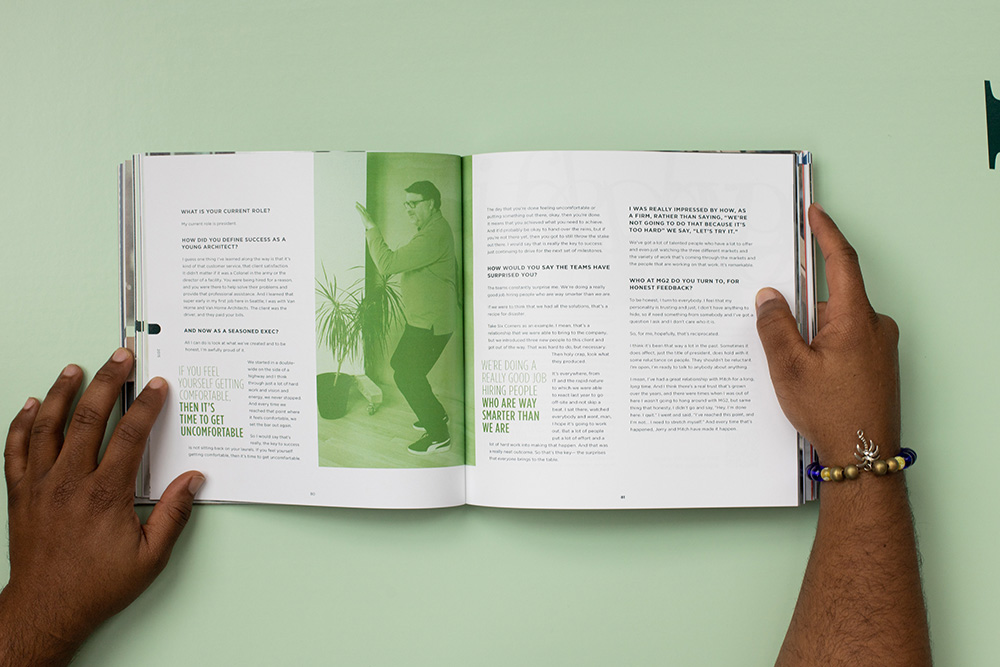
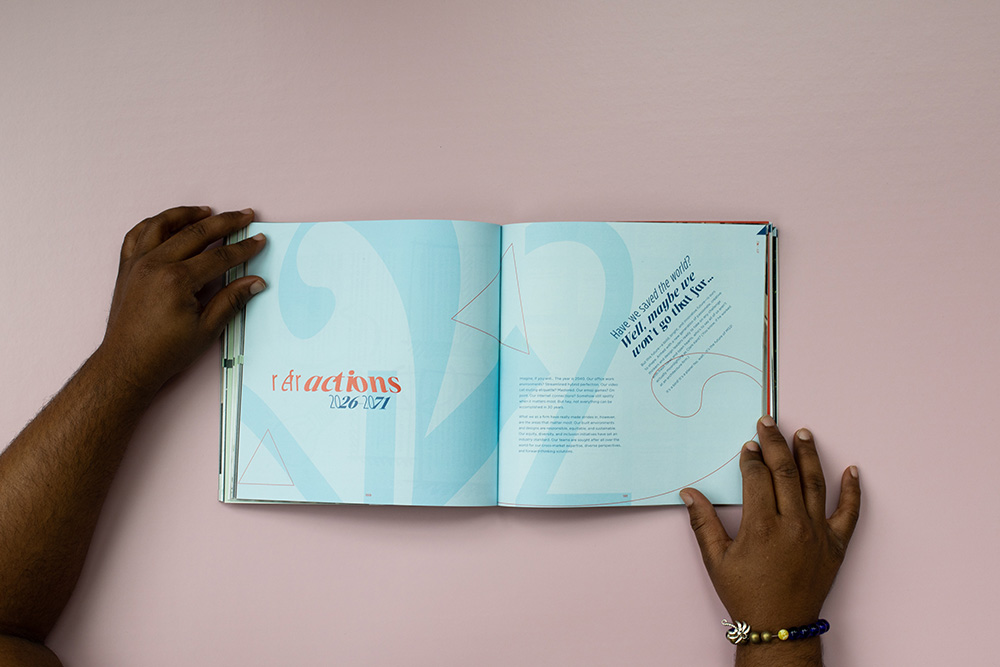
The zine is comprised of three chapters, each depicting a certain time period of the firm. Each chapter features a distinct design personality; from color palette and typography to creative writing and voice, we wanted each element to feel like it belonged.
When you read the first chapter, “Reflections,” you’ll feel the pride that our founder Doug Mulvanny felt when he started the firm from a small rented desk and a phone line. You’ll also observe the confident leadership transition to Jerry Lee and the impact he created on the firm and in the community. This chapter’s visual language consists of a magenta palette with coral accents and straightforward sans serif typography to pay homage to “what was.”
“Looking Both Ways” gives a more in depth look at MG2 today, and how CEO Mitch Smith found his way to the firm, climbed the ranks, and intends to lead us into the next 50 years. Among stories from employees across the firm, President Russ Hazzard talks about his “take the bull by the horns” approach. This chapter’s color palette takes influence from our focus on sustainability with pops of teal and a rich grass green. Typography comes to life through our standard typefaces, but with a twist of something new.
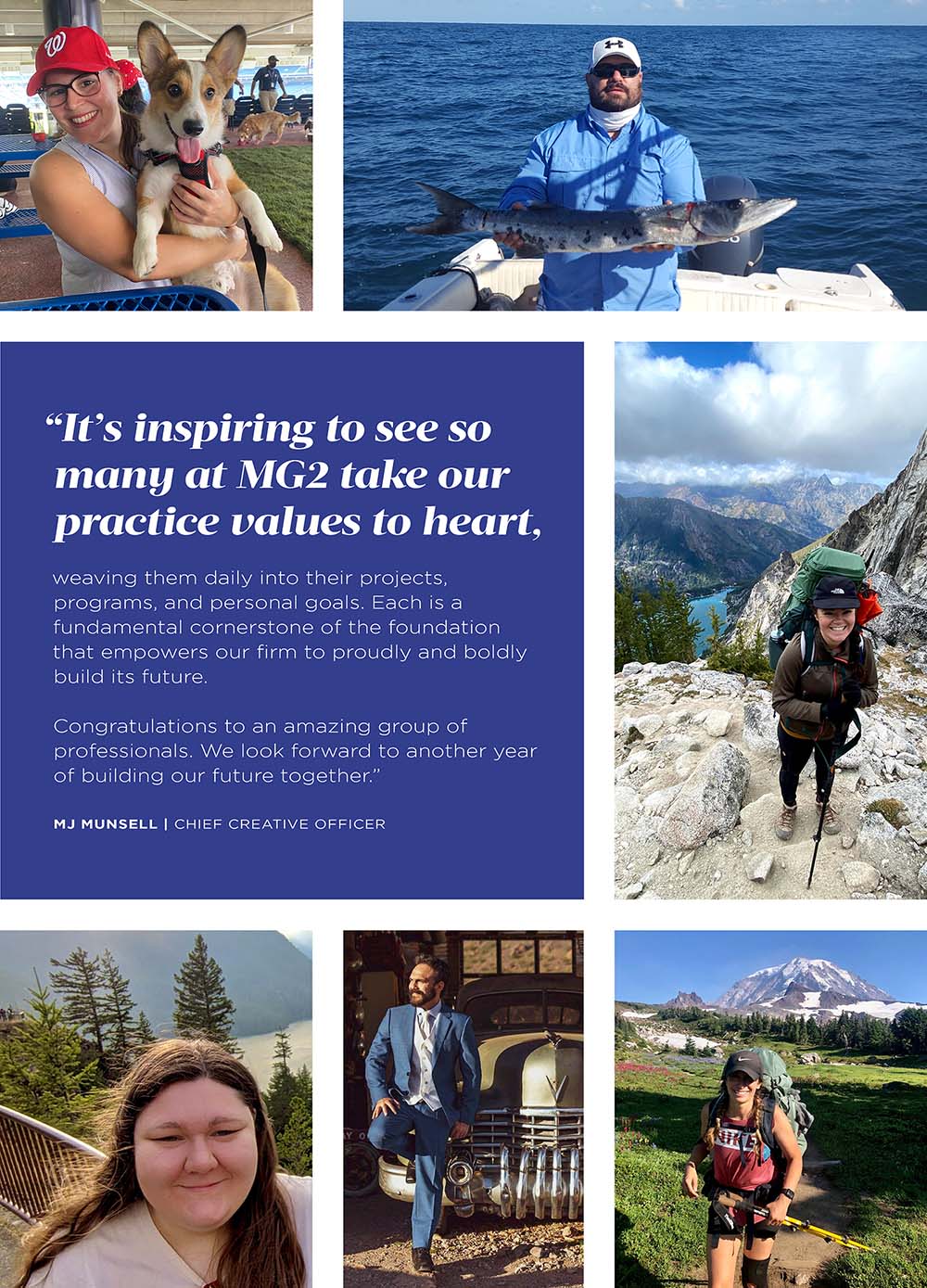
Finally, you end in an experimental play land, “Refractions.” As our female leadership takes center stage with CCO MJ Munsell and COO Celeste Lenon, electric colors of blue and coral erupt from the page as our typography twists and turns energetically, refracting the possibilities for our future.
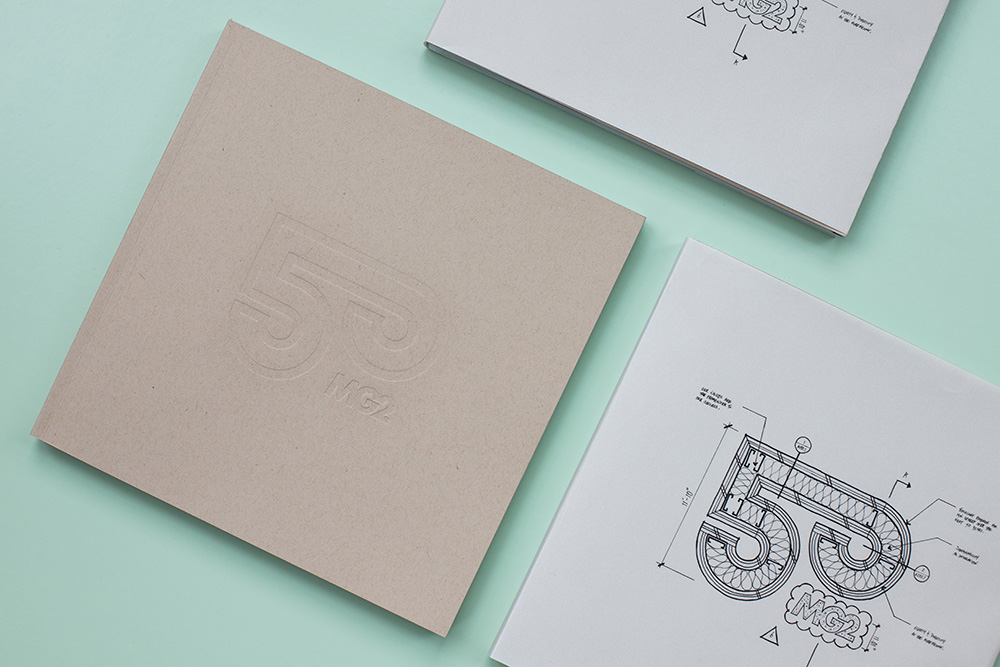
The small touches really allow the zine to shine. We’ve integrated our audio and video experiences via QR codes that launch you to our “Conversations” series podcasts and video interviews with our executive team. Photo spreads are punctuated with die cut paper pieces that pace your experience and add a touch of whimsy. Gate fold timelines expand our history past, present, and untold future to create something truly interactive. Even the paper choices have been carefully selected to evolve and shift with the eras of stories they tell. And finally the zine is wrapped in one final iteration of our logo, this time dissecting it with notes and key drawings reminiscent of architectural plans.
Compiling this zine was truly a passion project for us. A predominantly virtual world made for a complex challenge to solve in celebrating MG2’s 50日 Anniversary. But our people and their stories made it worthwhile. We’re excited to bring this anthology along with us as 2022 ushers in year one of “the Next 50.” Cheers to a notable past, inspiring present, and very bright future for MG2.
小区内,居民可以找到一家4万平方英尺的全方位服务杂货店,以及一家位于小区对面的Costco超市。这尤其合适,因为 MG2 已在全球设计了数百家 Costco为了进一步打造步行社区,谷歌于 11 月敲定了附近 Lee Johnson 汽车经销店的购买协议,计划利用该地块设立新的实体办公室,扩大其在西雅图的业务范围。
有时被称为 15分钟城市, 这些社区的设计目标是,人们所需的一切生活必需品——从食品杂货到医疗服务——都能在步行或骑自行车15分钟内到达家。根据2019年一份题为“ 前方有行人 from Smart Growth America, these types of walkable developments lead to improved social mobility, economic growth and several other factors in residents’ lives.
100 Reasons to Celebrate: MG2 Announces Global 2022 Promotions
In the wake of yet another challenging year for our firm, our industry, and our world, we’d like to take a moment to celebrate the incredible accomplishments and achievements of our dedicated team. As we enter 2022—a journey toward both unlimited opportunities and possibilities unknown—we’re thrilled to recognize this dedication, resilience, and passion with the promotion of one hundred MG2 employees across our global offices.
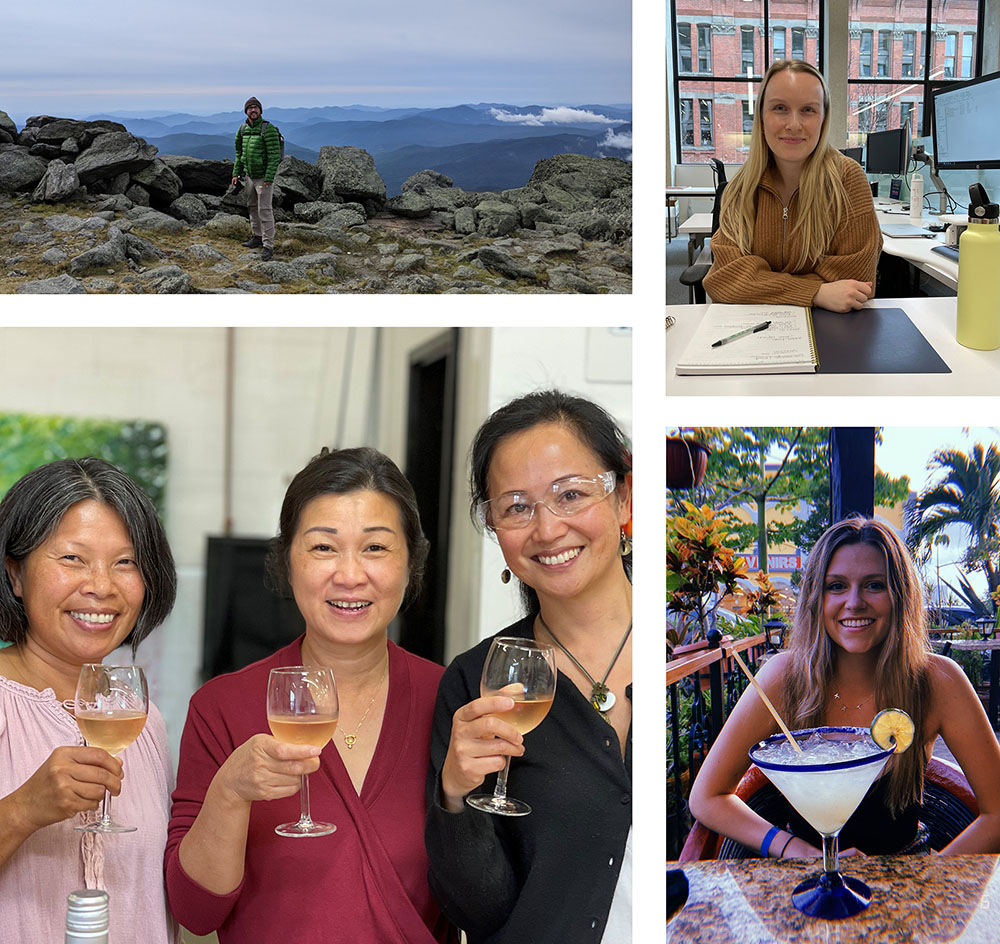
Amongst our leadership, we’re excited to welcome four new Principals—Shannon Suess, Terry Odle, Mai-Lee Lam, and Mat Yeung—four new Associate Principals—Barbara Granados-Saldana, Amy Hart, Cheryl Usnick, and Ta-Ren Chyn—as well as two new Shareholders—Janelle Schneider and Jooyeol Oh.
Beyond leadership, it is an honor and a privilege to nurture the careers of, recognize, and promote dozens of MG2 associates across every department, market, and level. There are no minor roles here; we would not be the firm we are today without all of our employees’ incredible talent and perseverance. We are grateful to have extraordinary individuals helping define and deliver a boundless future for MG2 and our clients, bringing your best to everything you do, and making our firm such a special place to be.
伊尔文
Christine Sa’d – Associate 2
Clara Gradinariu – Associate 2
Gustavo Montalvo – Associate 2
Jasmine Le – Associate 2
Katherine Graney – Associate 2
Ahmed Islamoglu – Associate 3
Jenny Nguyen – Associate 3
Garrett Honeycutt – Associate 4
Maribel Abrica – Associate 4
Meadow Pirigyi – Associate 4
Arturo Reina – Associate 5
Matthew McClellan – Associate 5
Renee Krause – Associate 5
Isaac Perez – Senior Associate 1
Terry Odle – Principal
明尼阿波利斯
Lorren Mueller – Associate 2
Sarah Cooper – Associate 2
Elle Reinhard – Associate 4
NEW YORK CITY
Joseph Schafran – Senior Project Manager II
西雅图
Casey Hopkins – Senior Communications Manager
Chris Schanz – Facilities & Multimedia Specialist
Emily Walker – Marketing Specialist
Hannah DeVriend – Human Resources Coordinator
Hannah Shugrue – Senior Project Accountant
Kristin Troxel – Human Resources Manager
Kendal Solak – Shared Services Specialist
Mike Johnson – Senior Financial Analyst
Natasha Windle – Associate Director, Program Management
Richard Bendix – CAD Manager
Tyler Wissenback – BIM Account Manager
Abigail Shane – Associate 2
Alex Breuer – Associate 2
Charles Abuel – Associate 2
Cori Concepcion – Associate 2
Erin Dillinger – Associate 2
Isabella Noet – Associate 2
Lauren Cebulla – Associate 2
McKenzie Aitkin – Associate 2
Peter Kim – Associate 2
Taylor Chadwick – Associate 2
Yanie Hung – Associate 2
Carmen Campbell – Associate 3
Justin Bise – Associate 3
Marina Sosner – Associate 3
Melissa Lorenc – Associate 3
Morgan Nestegard – Associate 3
Sarah Bertis – Associate 3
Stephanie Henschen – Associate 3
Tais Wagner – Associate 3
Connor Dimick – Associate 4
Darren Mobley – Associate 4
Paul Yoon – Associate 4
Scott Nicholson – Associate 4
Colby Chapman – Associate 4
Moon Choi – Associate 4
Negin Sharifi – Associate 4
Alison McClellan – Associate 5
Amy McCurdy – Associate 5
Christina Puzon – Associate 5
Darren Thies – Associate 5
Jared Bassetti – Associate 5
Marit Jensen – Associate 5
Craig Chapman – Senior Associate 1
Eli Hardi – Senior Associate 1
Joe Palmquist – Senior Associate 1
John Leuck – Senior Associate 1
Megumi Matsumura – Senior Associate 1
Angela Balmer – Senior Associate 2
Elisha Person – Senior Associate 2
Geir Mjelde – Senior Associate 2
Geoffrey Grice – Senior Associate 2
Hong Ho – Senior Associate 2
Jason Breyer – Senior Associate 2
Kendall Williams – Senior Associate 2
Shawn Ronning – Senior Associate 2
Stephen Bullock – Senior Associate 2
Amy Hart – Associate Principal
Barbara Granados-Saldana – Associate Principal
Cheryl Usnick – Associate Principal
Mai-Lee Lam – Principal
Shannon Suess – Principal
上海
Elva Qian – Administrative Assistant II
Flora Cheng – Operations Manager (no change in title)
Song Yan – Associate 3
Vicky Nie – Associate 3
Lily Peng – Associate 5
Hsin Cheng – Senior Associate 2
Ta-Ren Chyn – Associate Principal
Mat Yeung – Principal
华盛顿特区
Alveena Kamran – Associate 2
Gabrielle Metzger – Associate 2
Emily O’Loughlin – Associate 3
Gabriella Santostefano – Associate 3
Katy Siu – Associate 3
Rosalyn Roman Iglesias – Associate 3
Cesar Cruz – Associate 5
Kevin Richardson – Associate 5
Nils Jonsson – Senior Associate 1
Meridyth Cutler – Senior Associate 2
Jeremy Goeckeritz – Associate Director, Cost Management
If you’re ready for a new challenge, MG2正在我们全球办事处的众多职位中招聘。看看我们的 公司文化 页面,以了解有关我们的更多信息,以及 工作机会 找到最合适的衣服。
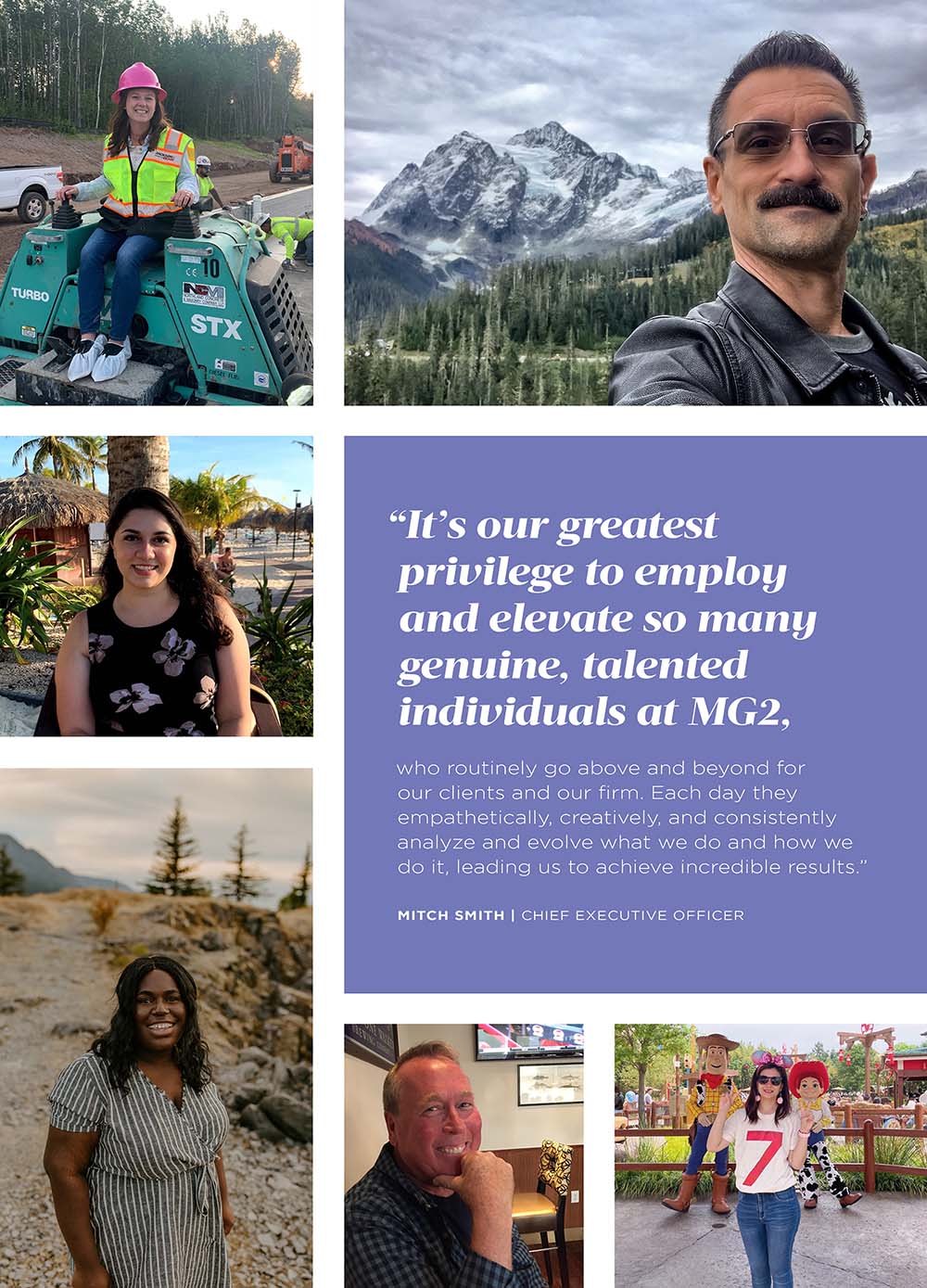
Ranked 5th in the top 100 best companies to work for in Washington state.
100 Best Companies To Work For in 2021- MG2 Ranks 5th!
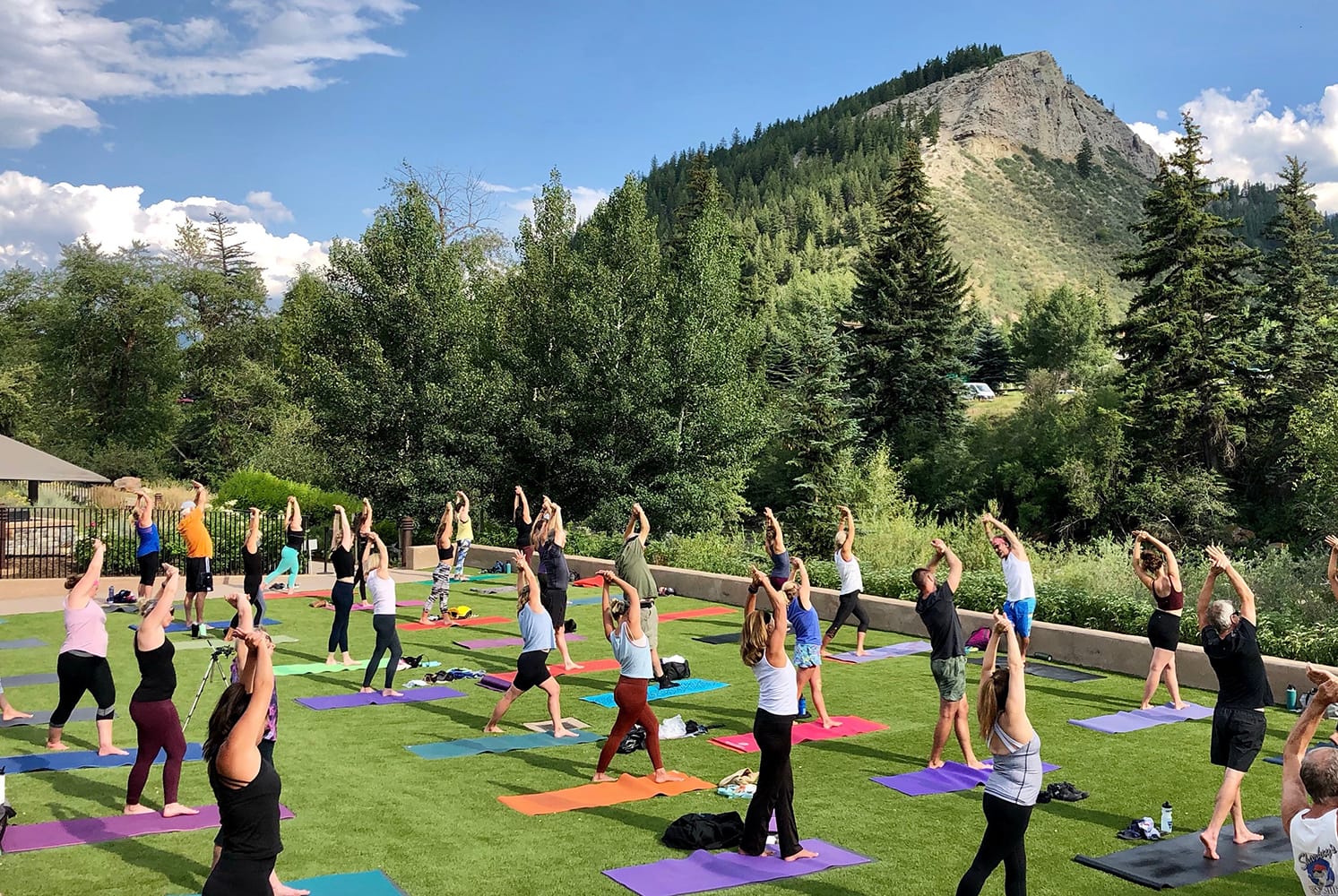
MG2s mantra is people make place. The 50-year-old firm has a robust DEI initiative with a five-year timeline that involves all staffers. It emphasizes sustainable design practices and invests in staff development through leadership training, coaching programs and free LinkedIn Learning courses. Staff events include happy hours, movie nights, ping-pong tournaments and Mariners games.







 English
  简体中文
简体中文