Perspectives

The Future of Grocery Retail: Top Five Trends for 2021 & 2022

September 2021 / By The Future of Grocery Retail: Top Five Trends for 2021 & 2022, Melissa Gonzalez
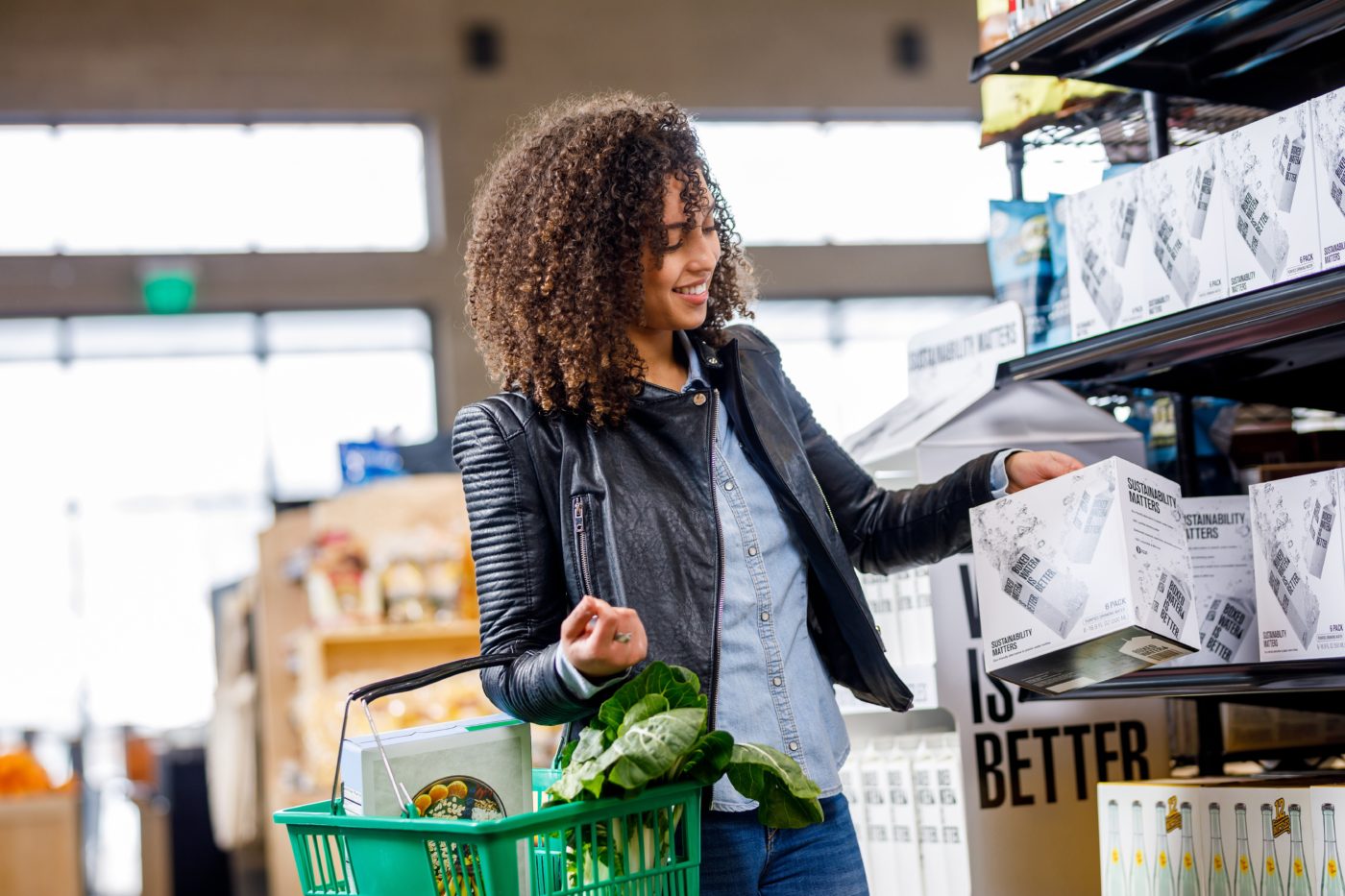
Last week we had the pleasure of attending and speaking at Groceryshop 2021 in Las Vegas. One of our first live events in a while, the energy was palpable and the innovations were flowing. It was an absolute joy to connect with so many and share the results of our recent grocery industry survey. If you haven’t yet, you can get your copy of our 2021 Grocery Consumer Survey Insights here.

With so much changing for grocery over the past two years, it’s seemingly impossible to keep up with consumer expectations and demands. However, here are our top five takeaways from what’s important for experience designers to keep in mind as they continue to bring future generations of grocery retail to life:

Incorporating Surprise & Delight

With such a significant shift to online and digital platforms, the in-store grocery experience has a bigger job to do in order to deliver upon surprise and delight. This ties into our survey results, which document consumer’s desire for discovery while in-store. 

Delight is the thoughtful touches and speed bumps along the way that foster education and discovery, and are embedded into environments designed to be “in service” of their customers. These could be temporary experiential moments—like what Lionesque Group CEO Melissa Gonzalez presented on stage about Jarlsberg or the Peanut Butter Association—or permanently designed experiences.

Innovative Retail Media

As digital and physical continue to merge, progressive grocers are seeing themselves as media platforms as much as grocers. In the name of inclusion and accessibility, it’s important for brands to make themselves available across all channels for all consumers. With online adoption, there is also a larger opportunity to leverage data and utilize the insights to deliver more personalized content to consumers.

For example, curated recipes, tailored nutrition plans, or even entire stores and brand philosophies dedicated to nutritional health and wellness, beyond what we typically see on a shelf. Raley’s O-N-E stores are a great example. Additionally, as we have seen in our work with Target, some are taking a more holistic approach to the curation of products around life occasions. This approach is also offering CPG brands the opportunity to gain mind share as well as increase their profitability.

Experiential Tech and Personalization

We all know consumer necessity fuels implementation as well as the adoption of technology. AI is seeing more prioritization to inform store teams on recommendations for merchandising, store layout, and more. Convenience and saving time are top priorities for consumers and they want tools that enable this. 

For example, Kroger and Instacart—which announced 30 minute delivery to your door—are utilizing AI to better understand demand and forecasting, as well as help with planning. They’re partnering with companies like Anuit.AI to help expand offerings, SKU count availability, and ensure the freshness of groceries. Order accuracy is also a huge focus for grocers, becoming both an issue and an opportunity for building customer satisfaction and confidence. Progressive retailers are looking at systems to improve upon predicting outages and substitutions to better improve this metric.

More unexpected partnerships that enable convenience are on the horizon well, such as what Albertson’s announced with DoubleDash in partnership with restaurants. The use of voice is also seen as an underutilized opportunity that is gaining consideration, and we see a rise in successful grocers that are empowering the in-store associate with data.
Proximity is still important (for numerous reasons)

In the argument to build more in-store experiences, proximity is still a motivator for consumers. Bloomberg cited that, as an established grocer, building more stores to increase consumer proximity is a tested and validated means to not only grow brick-and-mortar sales, but online sales as well. A store close to home is still seen as valuable even if the preferred channel is online delivery, and the cost of consumer preference is worth the price for multi-channel success.

Local is also important when it comes to products that are carried on shelves. Local, which is perceived as more sustainable than other products, including organic ones, offers the often true consumer perception that goods have not traveled as far, and therefore are both fresher and have a smaller carbon footprint. It’s a motivator for consumer decision-making and retailers are reviewing ways to surface suppliers, makers, and growers who are already in their supply chain.
Live Up To Your Brand Promise

It’s more important than ever that brands are standing behind a purpose, in addition to the products they sell. In order to garner customer loyalty, customers want to know you stand behind them, behind your staff, and behind your values. 

Giving back to the local community—another growing trend in grocer brand promises—is favored 42% by Gen Z and Millennial consumers. Only 38% of consumers polled thought their grocer was giving back to the community. 

A commitment to sustainability (action, not just words), a diverse selection of products, and inclusive accessibility are all at the top of the list when it comes to what consumers today are valuing from their grocers.

__________

Want to learn more? Find out what consumers expect from their grocers, both now and in the future, with our 2021 Grocery Consumer Insights Report.

Wilburton Village

Curating community in the heart of a city

In an effort to bring a walkable destination to the downtown corridor of Bellevue, MG2 partnered with the city to design, construct, and bring to life Wilburton Village South. Comparable to “Tetris the scale of a city block”, the complex is meticulously curated, with each individual retailer space and storefront completely customized to meet that brand’s needs. 

In conjunction with the adjacent North project, Wilburton Village South will provide a variety of services to the community, including medical care, restaurants, banking, grocery, entertainment, recreation, sporting goods, and home furnishings. The plaza features ample outdoor seating and a water fountain, in addition to dynamic lighting that accommodates changing moods and seasons. A stunning glass feature wall welcomes patrons to the center, while canopy-covered walkways protect pedestrians on rainy days.  

The project team was able to cleverly use the site’s typography to the design’s favor, creating multiple entry points to the complex—on the fourth floor, for instance—where consumers might otherwise not venture. 

Designed to maintain a branded experience and operational excellence simultaneously, MG2 was able to conceal all back-of-house performance requirements that customers never see. From grocery semi-trucks in PCC’s loading docks, to Target’s parking lots for hundreds of cars, to the extraordinary requirements for Virginia Mason’s MRI machine, every detail was catered to.

With forethought and a phased approach toward the development of the community’s health and future, a future pedestrian and bike bridge will connect to the upcoming rail-trail project nearby. This solution provides on foot access to Wilburton Village South and the surrounding complexes. 


Wuhu Suning Plaza

Energizing a CBD

As a pioneering international retail center, Wuhu Suning Plaza plays a major role in supporting the city’s rapidly developing economy. Designed as a one-stop shopping and entertainment destination, the 10-story structure features a multitude of international brands, an indoor ice-skating rink, IMAX movie theater and dining options for all ages.

Glass curtain walls frame the building’s exterior, creating a transparent window for international retailers, such as H&M, Uniqlo and Starbucks to connect with the local market. At night, neon lights transform the building into a beacon for activities. A bright, open interior plan creates a welcoming and easily navigable experience for patrons while a 600 space parking garage, outdoor pavilion, and multiple street-level entry points provide easy access.


  • Project Details

  • Location Wuhu, China
  • Client Suning Real Estate Co. Ltd.
  • Market Sectors
  • Size 1.29 million SF (119,844 SM)
  • Services

Crossroads Mixed-Use

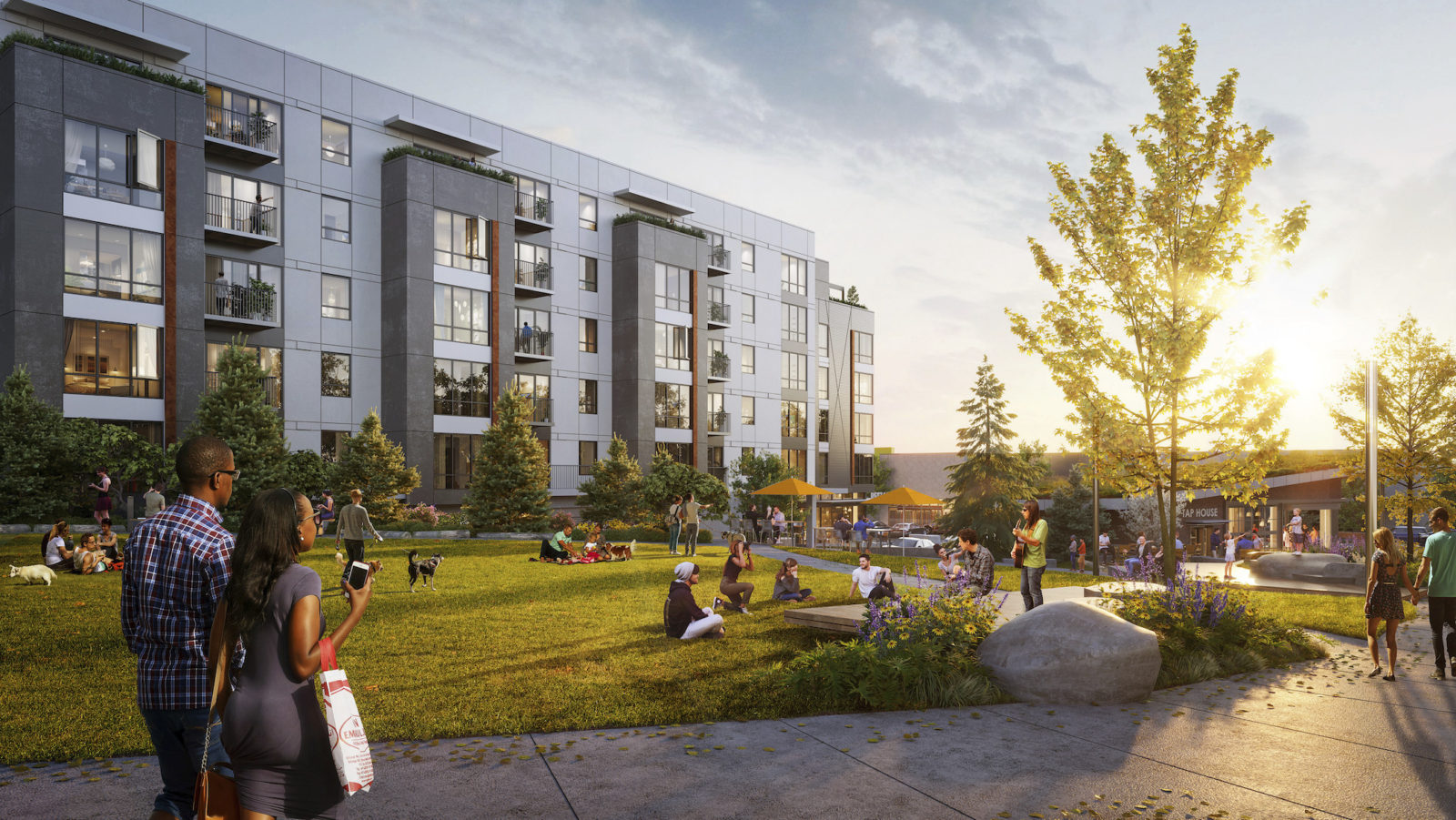
Seeking to build density and add value to a property whose neighborhood was maturing around it, Crossroads in Bellevue, WA partnered with MG2 to evolve the urban-based shopping center into a sustainability-minded, multifamily community that leverages and seamlessly melds with nearby amenities.

Years of pedestrian studies, wayfinding strategy, and sophisticated design went into Crossroads’ U-shaped building and its positioning, ensuring the footprint lined up perfectly with surrounding environments and natural spaces. An approach that helps bolster multimodal exploration, walkability, and access to public transit, the campus seamlessly connects the public and private within its community.

Naturally, landscaping plays a significant role as well. Every edge of the complex is considered an urban trail, reinforcing the pedestrian-centric nature of the design. By converting an asphalt parking lot into green space, the team created an additional opportunity for the sustainable filtering of stormwater by implementing bioswales and rain gardens throughout. The effort resulted in 20% more community green space.

For its interiors, a thematic approach was taken to the design, embracing and enhancing the community and celebrating the diversity it fosters. Many units are two bedrooms, perfect for multi-generational families who work in the area. MG2 is working closely with the project’s interiors team to create a seamless, hybrid integration between internal and external experiences. With a color and design scheme that radiates the Pacific Northwest, there are endless opportunities for entertainment, including an activated public space and amenity-rich roof deck.

Designed as a community, not a commodity, Crossroads design incorporates a number of culturally-rich and thoughtful food options, as well as boutique retail space for brands to connect with residents and visitors alike in a highly socialized setting. The evolution of this predominantly retail environment into a sustainable, cultured, pedestrian paradise is slated for completion in 2024.


Deerfoot Food Lodge

Food and beverage becomes the new mall anchor

SHAPE partnered with MG2 to design a food lodge concept at Destination: Deerfoot City. The food lodge will serve as a key social zone in the development, where the community will gather, eat and recharge.

MG2’s design blurs the lines between indoor and outdoor spaces, featuring a mix of programming that evokes an airy market feel including sit-down cafés, pop-up food carts and in-line and freestanding food tenants. The hearth serves as a main feature of the space, providing an array of intimate areas that invite visitors to stay a bit longer. The designers emphasized the connectivity between the exterior and interior social areas, employing folding glass walls and roll-up garage doors to blend the spaces.


The Amazing Brentwood

The Amazing Brentwood

Located along Vancouver’s SkyTrain, The Amazing Brentwood is a transit-oriented development that encompasses retail, residential, and entertainment. SHAPE, a well-established developer in Canada, partnered with MG2 to help refine the retail design strategies and explore future design phases for the property.

Seeking to create a unique and elevated experience for those visiting The Brentwood, MG2 employed a hospitality-inspired retail design concept. This experience begins at the moment of arrival, with a series of expanded drop-offs that draw in shoppers, evoking the feeling of a porte-cochere.

The team wove a curated retail experience throughout the design concept, emphasizing spaces oriented around comfort, ease of use, and a timeless aesthetic.


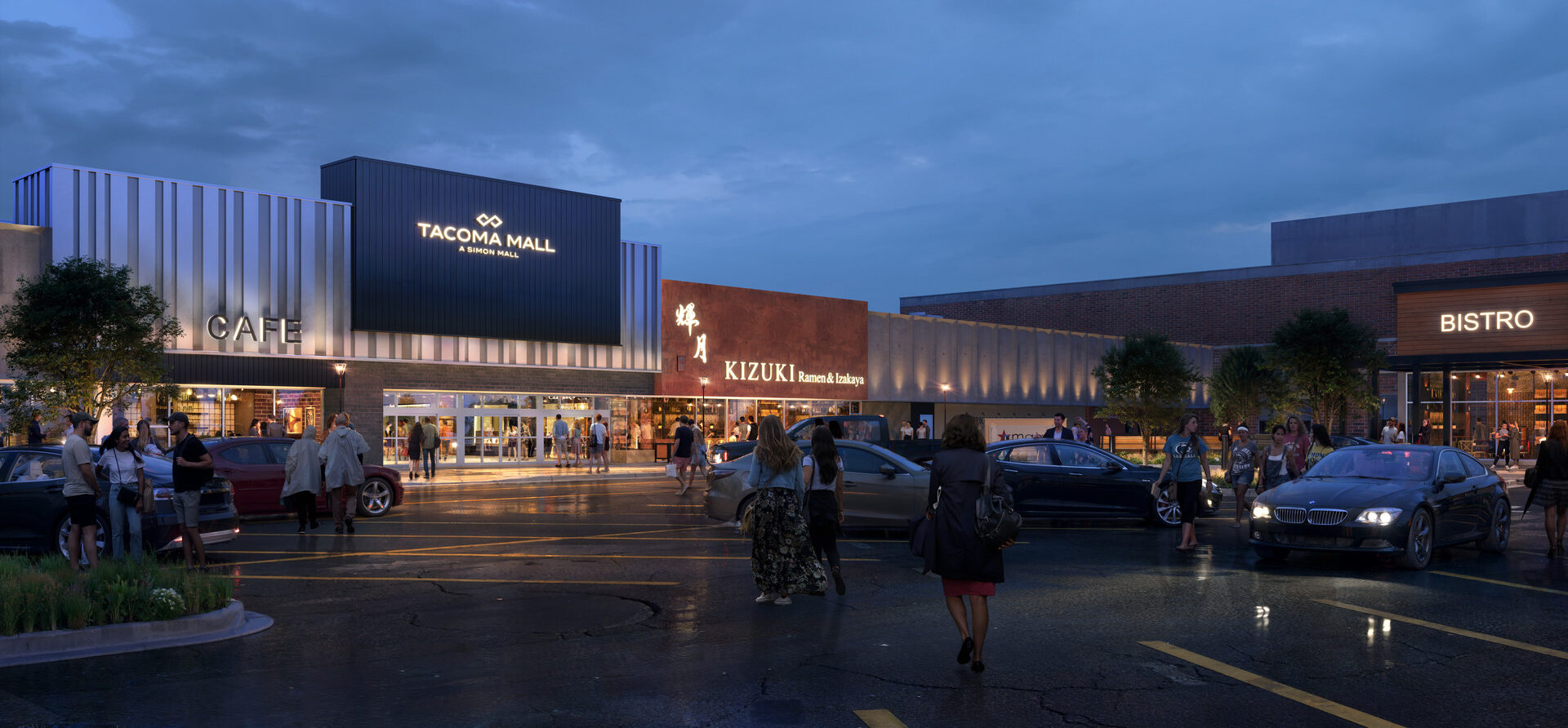
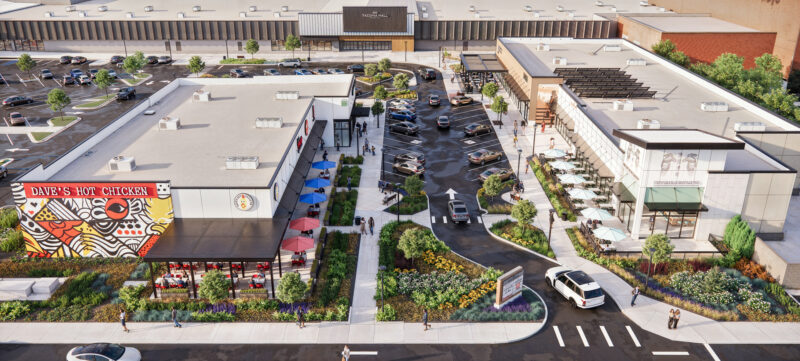
Initially opened in 1965, low-density, suburban-style developments currently surround the Tacoma Mall. However, with the city council recently approving new zoning codes, density requirements, and infrastructure updates, downtown Tacoma is primed to evolve into a more urban, pedestrian-oriented landscape. 

In response to the city’s long-term, coordinated approach to modernizing its development, MG2 partnered with Tacoma Mall, reinventing it as a mixed-use property that incorporates new shopping, dining, and entertainment facets. 

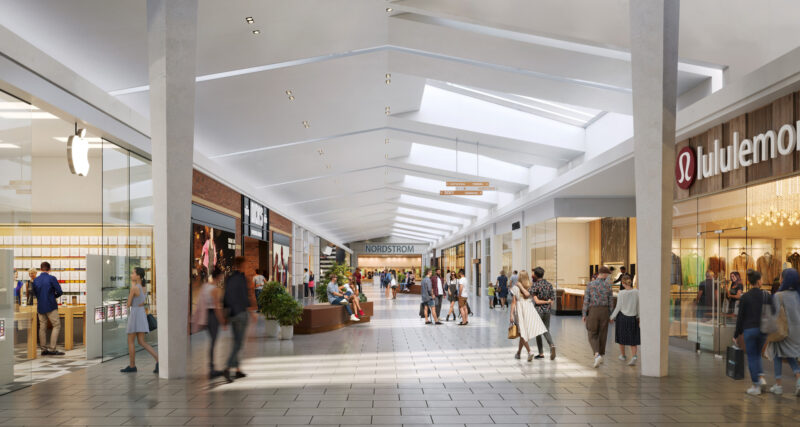
The interior renovation of Tacoma Mall seeks to revitalize the customer experience, blending modern aesthetics with functional enhancements. MG2’s scope included a refresh of the common areas and entries, introducing updated finishes, lighting, and FF&E—creating a welcoming and cohesive environment. Additional improvements included upgrades to the food court, restrooms, and new signage. Scheduled to be completed in 2026, this renovation aims to deliver a dynamic and engaging space for shoppers and visitors alike.


  • Project Details

  • Location Tacoma, WA
  • Client Confidential client
  • Market Sectors
  • Size 1,335,000 Gross SF; 90,000 SF Common Area; 375,000 SF Inline Retail; 715,00 SF Anchor Retail
  • Services

Shantou Suning Plaza

The dynamic embodiment of a growing metropolis

Shantou Suning Plaza is a vibrant flagship that activates the urban port city in the Guangdong Province of China. The development’s high-end retail center, which features prominent domestic and international brands, draws people in with its external, wrap-around LED screens and transparent glass atriums.

Located in the city’s commercial district, Shantou Suning Plaza features two highly desirable Class A office towers. The development’s sleek, minimalistic design is juxtaposed against a lush rooftop garden and an open central court where visitors can find respite or participate in community gatherings. A destination, beacon, and haven, all rolled into one centralized experience.


Washington Square

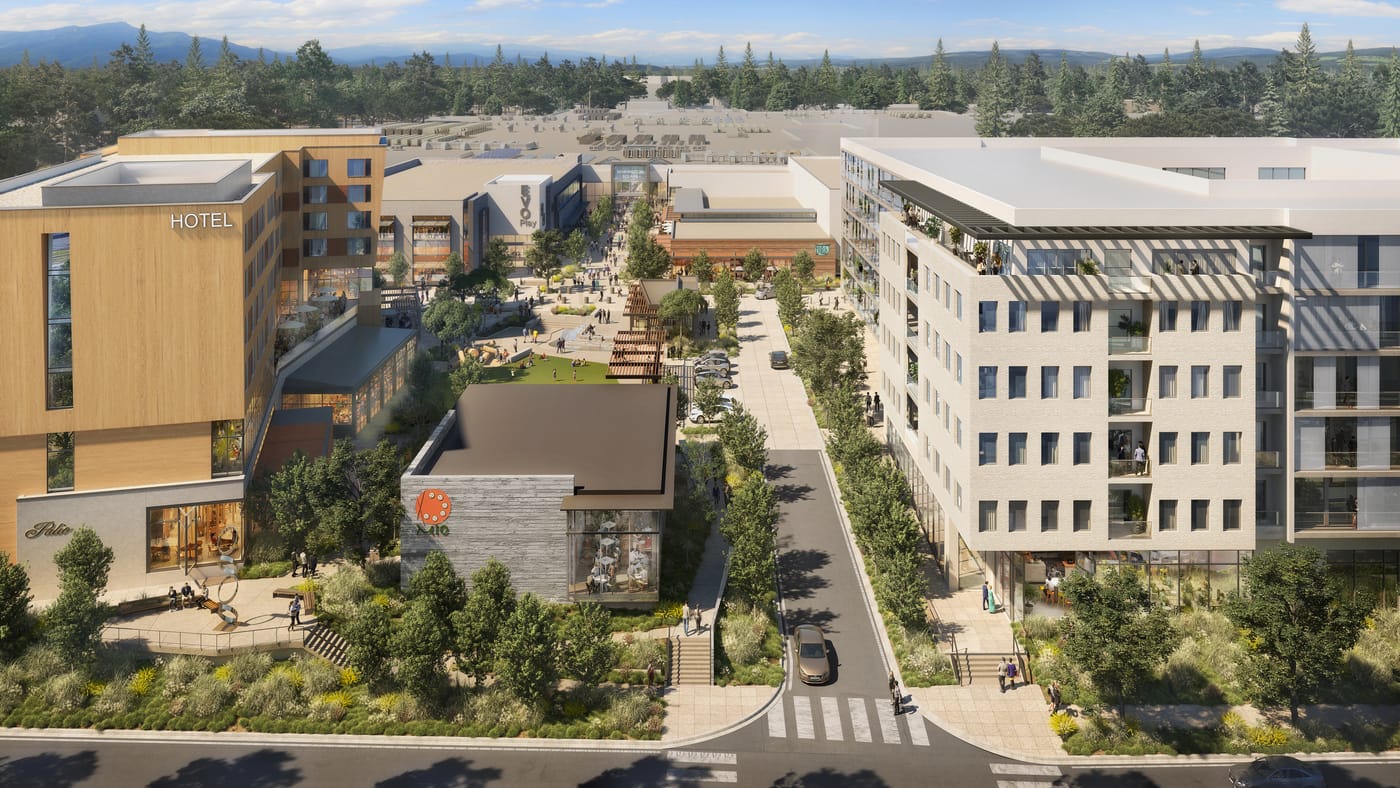
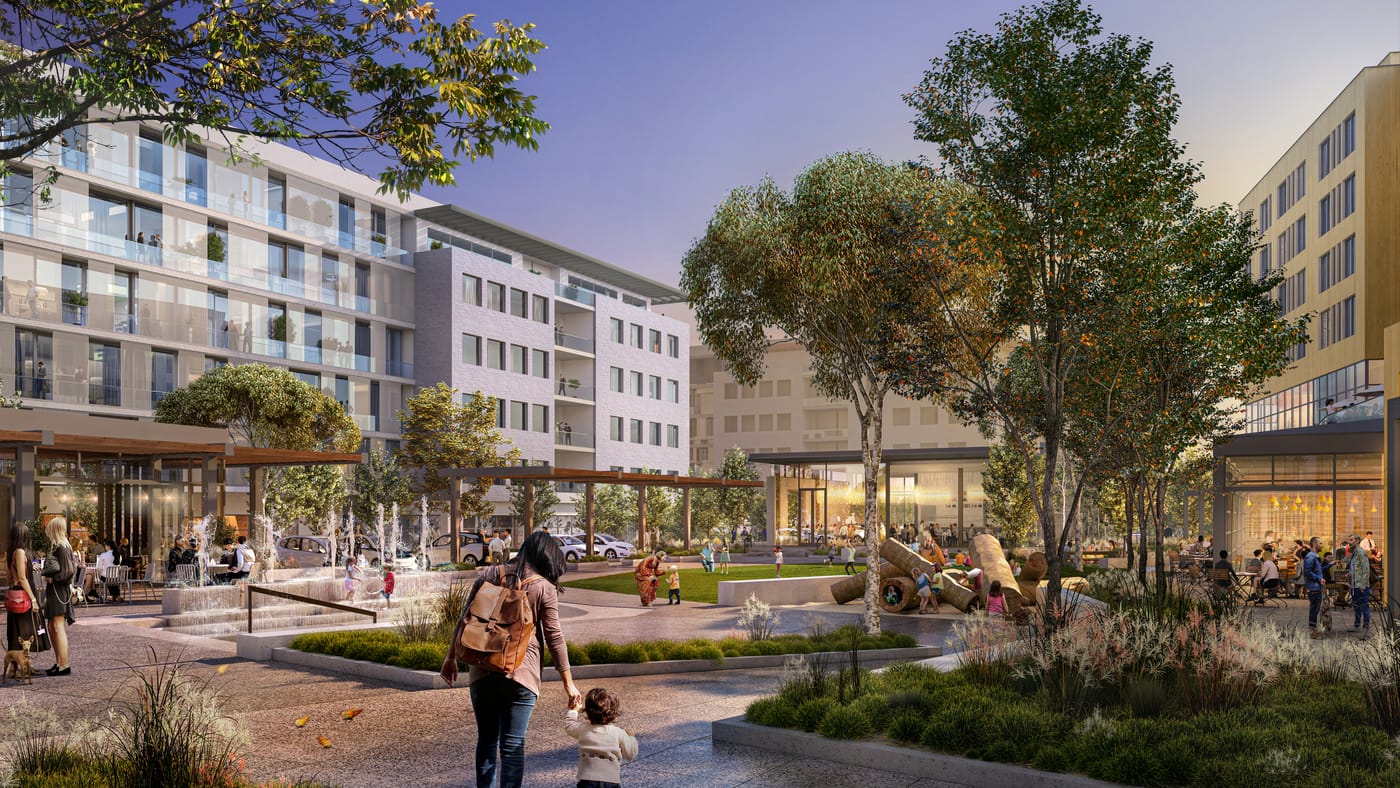
When Sears closed their doors, the Washington Square mall—one of the largest in the Pacific Northwest—knew it was time for an innovative approach. Partnering with MG2, the shopping center sought a solution to bolster consumer traffic, revitalized the anchor position, and galvanized their customer base with fresh retail, restaurant, and entertainment options. The final piece of the puzzle would be a hotel, along with newly minted residential units surrounding an invigorated public park, completing the community, and binding it together.

Our team immediately accepted the reins to a plan already in motion, keeping the project on track while simultaneously creating a novel story to make it our own. MG2 designers took a contextual approach, playing on the notoriously sporadic weather of the Pacific Northwest, and our natural response to layer garments in reply. The resulting design used landscaping, lighting, and newly constructed spaces to translate our architectural story, bringing new vitality to where an anchor once stood.

Washington Square

Creating a layered transition from the traditional mall to a more organic, open space, we generated a fresh entry sequence for the shopping center.

The on-site hotel was angled to grant it more visibility from the road, while simultaneously exposing the natural area beyond. The experience crescendos with a jewel box restaurant building, greeting, and bidding adieu to shoppers as they come and go.

Providing unparalleled full-service architectural design solutions to the client, MG2 continues to work with Washington Square through the finale of their construction phase, with several high-end entertainment, food & beverage, and retail brands already expressing interest in the newly energized shopping center.