Research & Insights – October 2026

The Workplace Has a New Job – Positioning AI Change Into Human Potential

“If AI increasingly performs the work through which people once learned, what role will the workplace play in how people develop?”

As AI changes how work gets done, the workplace can help ensure people continue to develop alongside it. The next chapter of workplace strategy may be defined less by how many people come into the office or how often they are there, and more by whether the workplace creates the conditions people need to perform, learn, adapt, connect, and remain effective as the nature of the work itself changes.

In this report, we explore what workplace leaders say matters today and what those signals, alongside evolving macro and micro drivers, could tell us about how the workplace should evolve over the next 3 to 5 years.

The full report is available for download at the bottom of this page. Take me there now!

The People Shaping Workplace Decisions – Respondent Audience Defined

This research reflects the perspectives of 150 professionals responsible for evaluating workplace and employee experience needs within large organizations. Rather than representing the employee perspective directly, respondents bring experience across people, workplace strategy, operations, technology, real estate, and business leadership.
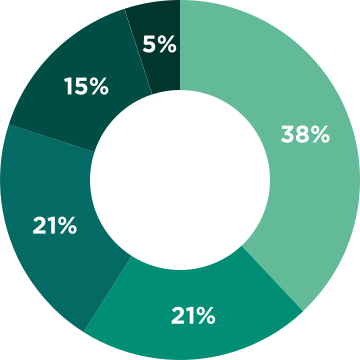
⬤ 38%, Professional, financial, technology, or business services

⬤ 21%, Healthcare, life sciences, education, or public sector

⬤ 21%, Retail, consumer products, hospitality, media, or entertainment

⬤ 15%, Manufacturing, industrial, energy, transportation, or logistics

⬤ 5%, Other

What We Learned / Confirmed

Our findings point to several shifts in how workplace leaders are evaluating the employee experience today and where they see opportunities to better support people as work continues to evolve:

The Workplace Still Has to Get the Basics Right

MORE THAN 2 IN 3 workplace leaders who identified measurable value from recent workplace investments point to outcomes including improved focus, collaboration, time saved, and fewer workplace issues.

⤷ WHY IT MATTERS: The future workplace still depends on getting the fundamentals right. Environments that help people work effectively provide the foundation for what comes next.

Different Work Requires Different Conditions

MORE THAN HALF of workplace leaders see greater value in environments that can adapt to changing demands, with flexible and multipurpose spaces emerging as a priority as organizations consider how the workplace should evolve.

⤷ WHY IT MATTERS: Different types of work require different environments throughout the day. Flexible spaces and greater choice across settings allow the workplace to respond as work shifts throughout the day.

Learning May Depend More on People Than Programming

Among workplace leaders identifying gaps in learning and community, NEARLY HALF say mentoring and coaching would make the greatest difference, significantly outpacing structured training and employee events.

⤷ WHY IT MATTERS: As AI takes on more tasks, organizations will need to be more intentional about how people continue to learn and develop. The workplace can create opportunities for coaching, observation, knowledge sharing, and learning from others.

Recovery Is Becoming Part of Supporting Performance

Among workplace leaders identifying gaps in wellbeing and personal resources, MORE THAN 7 IN 10 say rest and basic recovery spaces would make the greatest difference, more than 4X the response for nursing and personal care rooms.

⤷ WHY IT MATTERS: Sustaining performance is not only about giving people places to do more. As work becomes more cognitively demanding, opportunities to step away, reset, and return effectively become increasingly important.

Technology Creates More Value When It Works Around People

MORE THAN HALF of workplace leaders say smart environments that automatically adjust lighting, temperature, sound, or room setup could add value over the next 3 to 5 years. Among those seeing value, MORE THAN 7 IN 10 say their organizations are already exploring, testing, or expanding them.

⤷ WHY IT MATTERS: As AI and other technologies become more embedded in work, the opportunity is not simply to add more technology. It is to reduce friction and create environments that better respond to people.

Interested in More? Download the Full Report!


Hunger Game

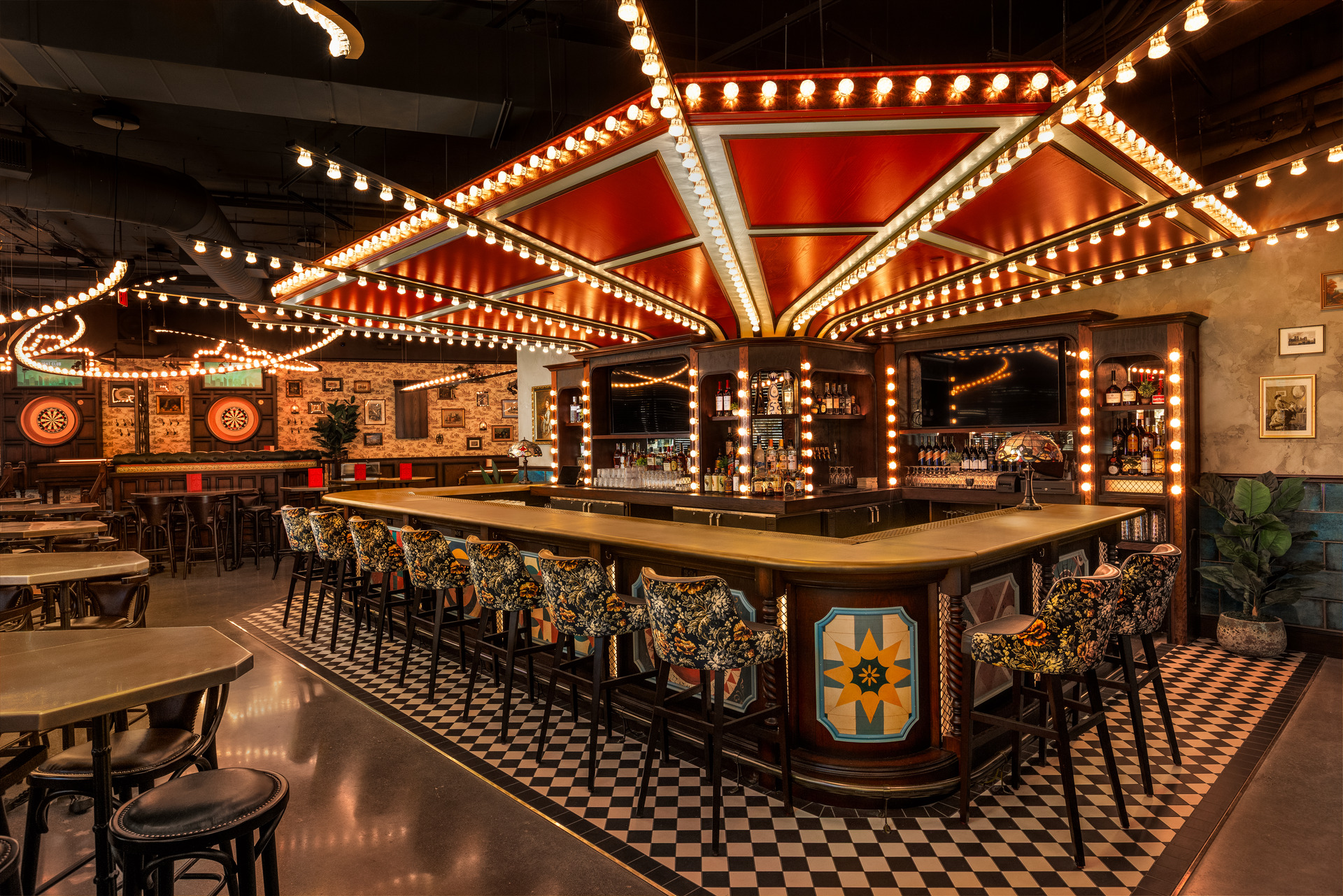
In a recent VMSD Restaurant Spotlight piece, Janet Groeber discusses Gen Z’s preference for experiences and features our Flight Club project in Seattle.

“Flight Club is a darts experience that leverages technology. For its Seattle location, State of Play Hospitality (Chicago) turned to MG2 (Seattle) to help bring the concept to life. Automated camera tracking scores games instantly, so players don’t need to. On the menu, cocktail-forward beverages and shareable small plates. MG2’s work included adapting the concept and brand standards to the local site as well as overall operational flow of the 7100-square-foot venue.”

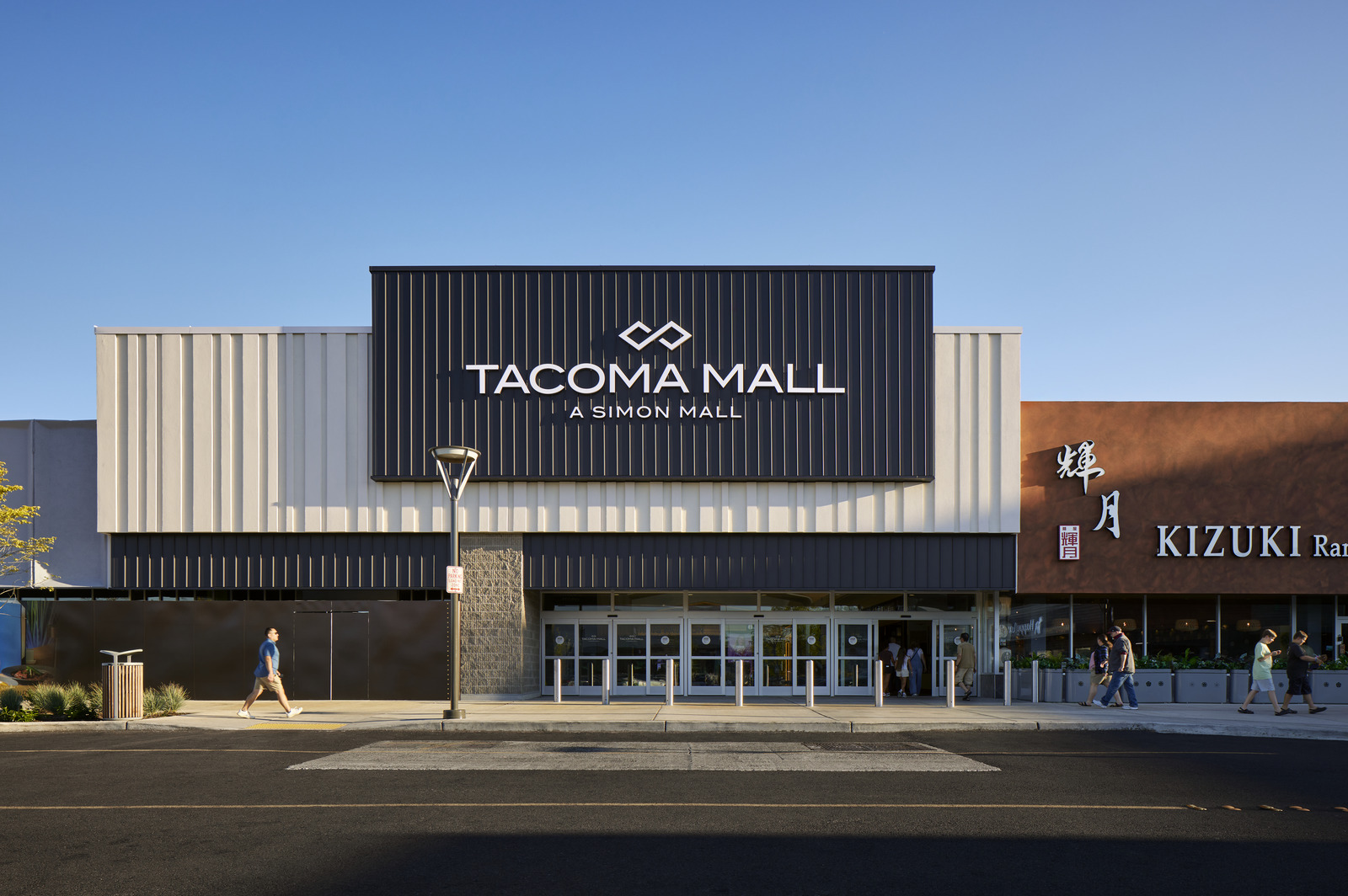
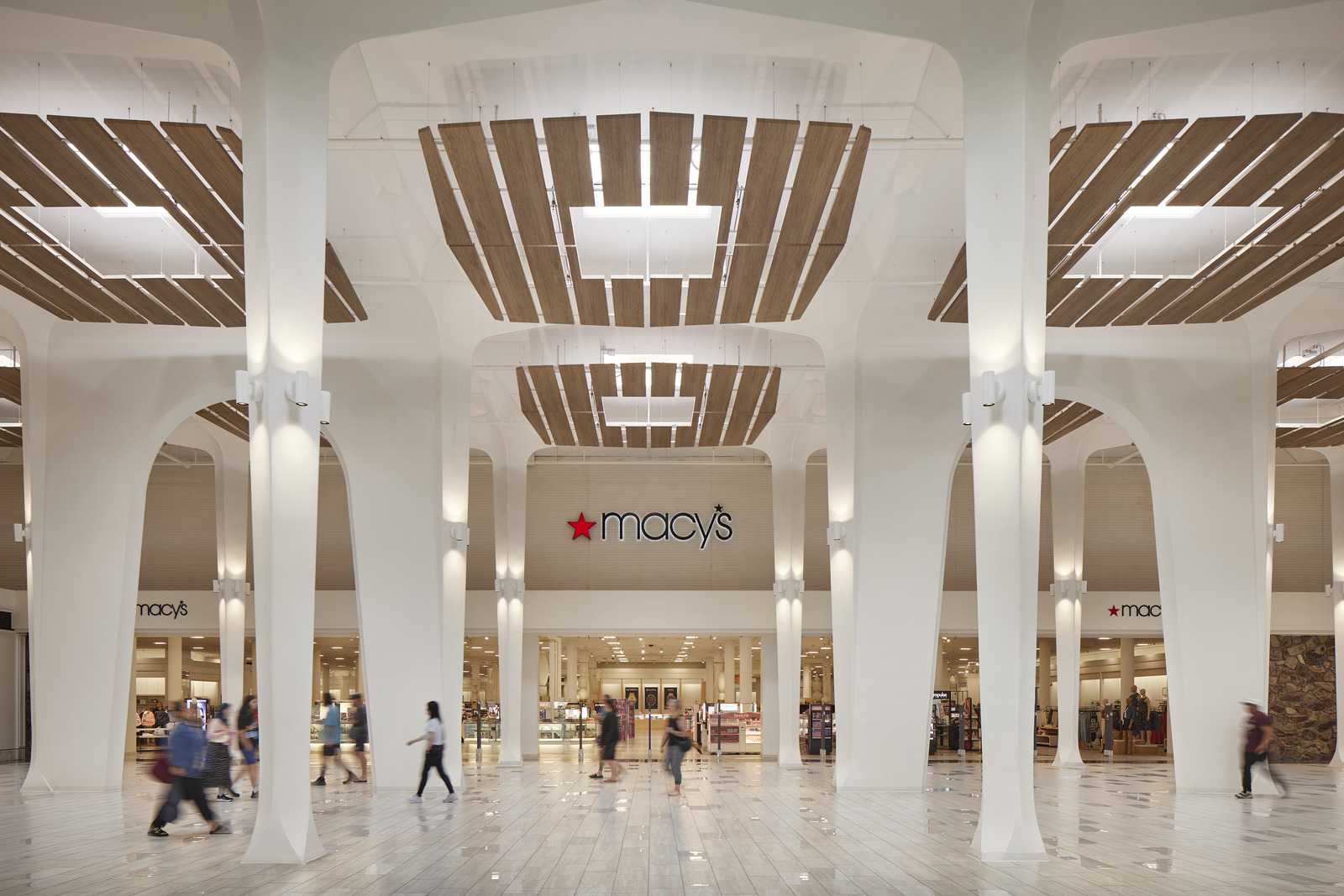
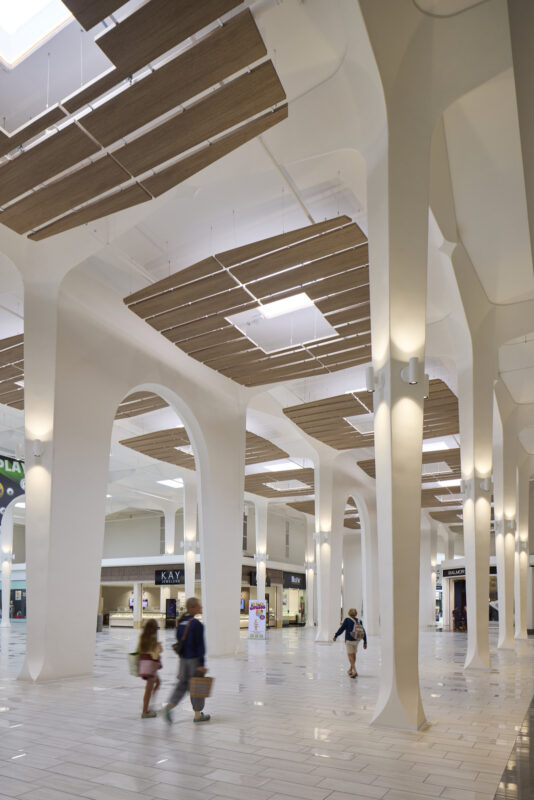
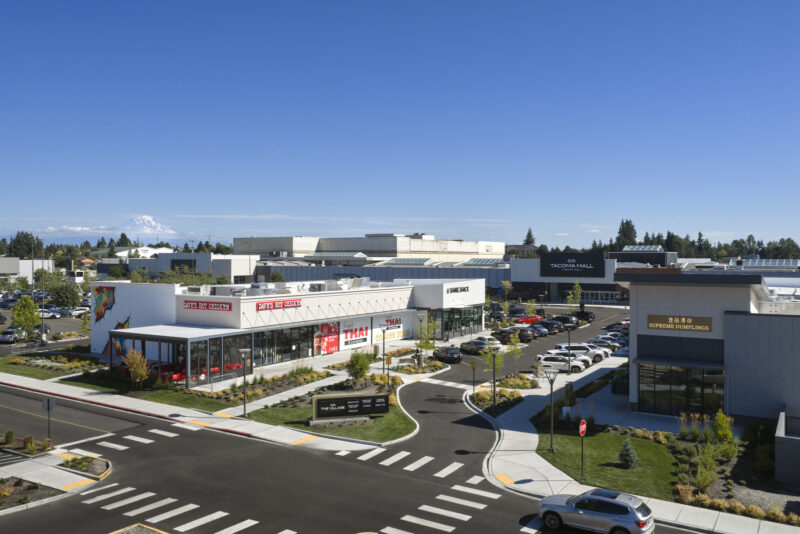
Tacoma Mall, originally opened in 1965, has evolved beyond its traditional retail roots to become a more dynamic destination centered on shopping, dining, and gathering. In collaboration with Simon Property Group, MG2 focused on peeling back design choices of the 1990s to reveal the mall’s original architectural character, defined by clean lines, open volumes, and abundant natural light.

Through a multi-phase renovation and expansion, MG2 helped reposition the property to better serve today’s shoppers while extending the life and value of one of the region’s premier shopping centers. The transformation responds to Tacoma’s evolving urban context, creating a more connected, walkable destination that balances modern design with the mall’s mid-century character.

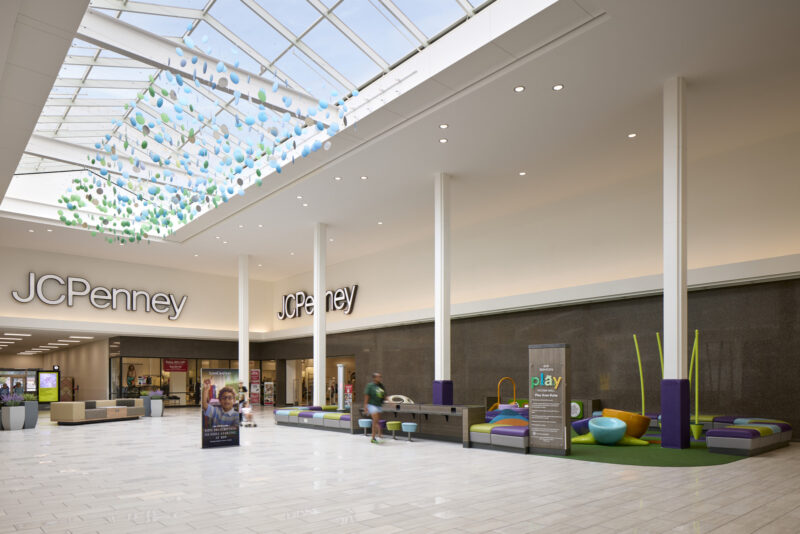
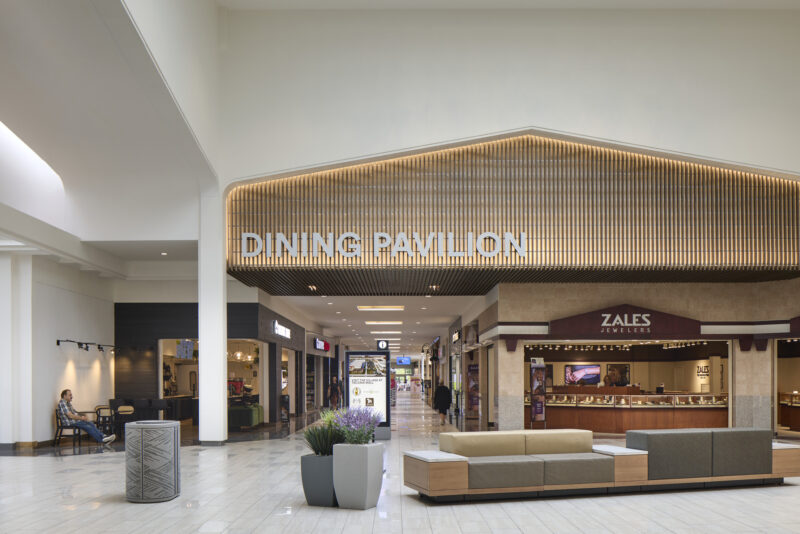
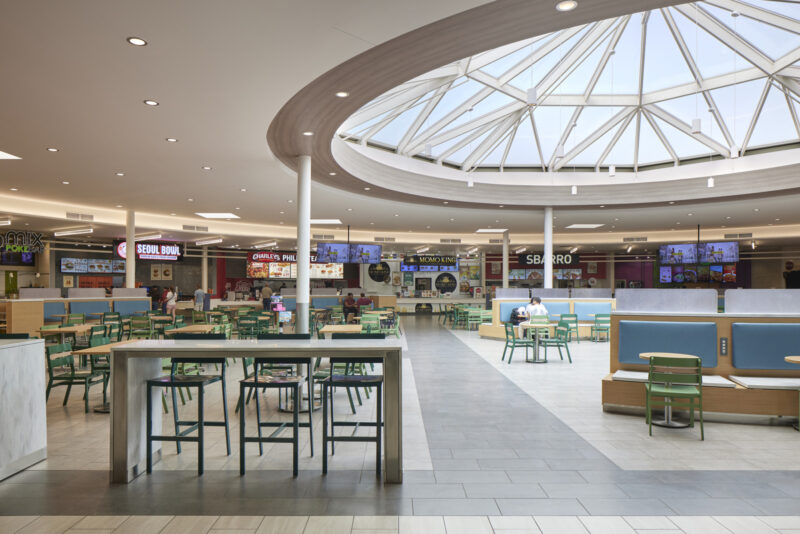
In a design-build delivery, MG2 transformed 130,000 square feet of the mall’s common areas, entries, and amenities with refreshed flooring, lighting, finishes, furnishings, and signage. The design takes a hospitality-driven approach to public spaces, introducing comfortable, modular furniture, sculptural elements, and tactile materials that encourage shoppers and visitors to linger, gather, and connect. In the food court, a refreshed layout and slatted wood ceiling elements bring greater comfort and refinement to the space while balancing the abundant natural light. The mall’s original distinctive columns were restored, maintaining a connection to its history while introducing a more contemporary interior environment. Outside, four primary entrances were completely reconstructed and two additional entries were refreshed, creating a cohesive identity across the property.

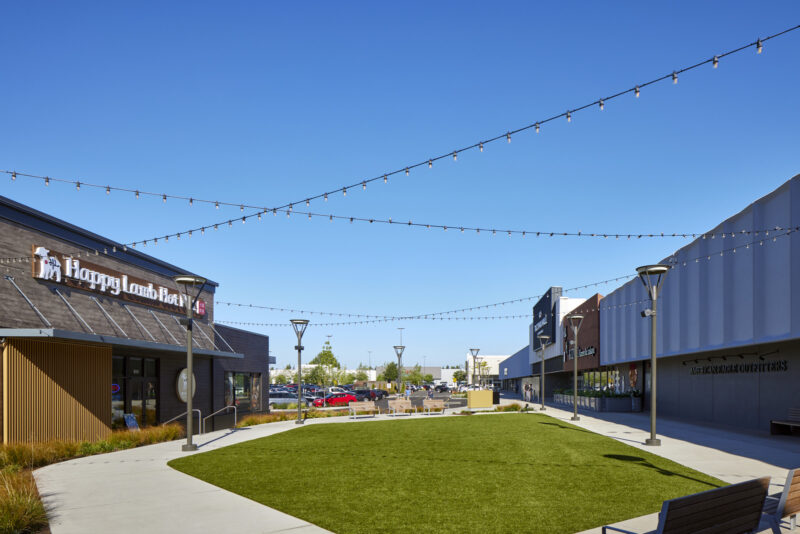
As part of the mall transformation, MG2 led the analysis and design strategy for the redevelopment of the former Sears site. Working with Simon, the team evaluated multiple redevelopment scenarios, from reuse to full demolition, balancing design potential, cost, and long-term value to determine the approach that best supported the property’s goals. The resulting redevelopment activates the site, drawing people into the mall and transforming the property into a broader shopping and dining destination. The project also introduced The Village, a second-phase development featuring two new restaurant buildings. Together, the buildings create a denser, more walkable retail corridor that expands the mall’s offerings and strengthens its connection to the surrounding community.

One of the project’s complexities was executing extensive renovations while Tacoma Mall remained fully operational. Through careful phasing, close coordination with mall operations and tenant management, and overnight construction where needed, the team delivered improvements while minimizing disruption to shoppers and tenants. The approach prioritized safety, accessibility, clear circulation, and a positive customer experience throughout construction.

Spanning multiple years and adapting to changing market conditions, the project reflects MG2 and Simon’s collaborative approach to reinvesting in an established retail environment. By pairing timeless design language with modern detailing, hospitality-driven public spaces, and new retail and dining opportunities, the reimagined Tacoma Mall creates a more flexible, elevated, and experience-driven destination for the next generation of shoppers.


Project of the Week: Flight Club

Seattle Daily Journal of Commerce recently featured State of Play’s Flight Club project in Seattle as its Project of the Week.

The eatertainment destination, featuring social darts, craft cocktails, and elevated bites, recently made its Seattle debut in the South Lake Union neighborhood.

MG2 Designs Affordable Housing for Oregon Farmworkers

In a recent Seattle Daily Journal of Commerce article, A/E Editor Emma Lapworth highlights Farmdale, MG2’s affordable housing project in Woodburn, Oregon.

“The building is organized around a shared communal courtyard. Communal spaces are also a defining feature of the interior and include a two-story community room and shared laundry facilities. MG2 says interior spaces are organized to ‘stimulate spontaneous meetings between neighbors.’ The community room is designed to function as the heart of the project and be used for many occasions.”

The A+List: The 225 Best Architecture and Design Firms in the World Right Now

Architizer has unveiled it’s A+ List of The 225 Best Architecture and Design Firms in the World Right Now, and MG2 made the list! In fact, Architizer also chose our First Light project as a finalist in their 14th Annual A+ Awards, and the project was the Popular Vote Winner in the Multi Unit Housing High Rise category.
Perspectives

MG2 Publishes Sustainability Impact Report

June 2026 / By Johnny Klemke

Transparent carbon management is key to advancing sustainable operations.

SEATTLE, WA—June 17, 2026—Global architecture and design firm MG2, an affiliate of Colliers Engineering & Design, has published its 2025 Sustainability Impact Report. The report highlights the firm’s commitment to building performance and includes a case study on the decarbonization of big-box retail warehouses, looking specifically at how low-carbon concrete and masonry in Costco Wholesale facilities can have a positive impact on the environment.

“Building performance is not a feature we add at the end of a project,” says MG2 President Russ Hazzard, AIA. “It is a framework that informs every decision from concept through completion. At MG2, we approach design as a dynamic system, where architecture, operations, and occupant experience intersect.”

MG2’s report showcases the firm’s commitment to advancing performance, reducing carbon impact, and safeguarding the well-being of communities and ecosystems connected to the built environment.

“We can only improve what we measure,” says MG2’s Senior Building Performance Analyst Johnny Klemke, LEED AP BD+C. “That’s why MG2 tracks our corporate emissions and encourages teams to elevate performance data across our projects. This report marks real progress, and it also sets the stage for what comes next: turning insight into action and driving measurable improvements in the years ahead.”

MG2 is a proud signatory of both the AIA 2030 Commitment as well as the AIA Materials Pledge and integrates sustainability into every aspect of its work.

Food Fight: Grocery Competitors and Rivals Gear Up

In a recent VMSD article, Janet Groeber highlights MG2’s design of Albert Wang Market in Beijing and features insights from MG2 Principal Jooyeol Oh on creating a premium grocery experience.

“’There’s a middle class they wanted to address and then create a store to cater to that kind of a clientele.’ The target customer is a food lover who can watch baked goods, meats and fresh fish, being prepared on site – a sort of culinary theater meets shopping experience that builds confidence in product quality.”

First Light is an Architizer A+ Award Popular Choice Winner

We’re excited to share that our First Light project has won the Popular Choice Vote for the 14th Architizer A+Awards in the Multi Unit Housing – High Rise (16+ Floors) Category!
With entries from over 80 countries and thousands of votes across all categories, this is truly an honor.

Cougar Creek Renovation

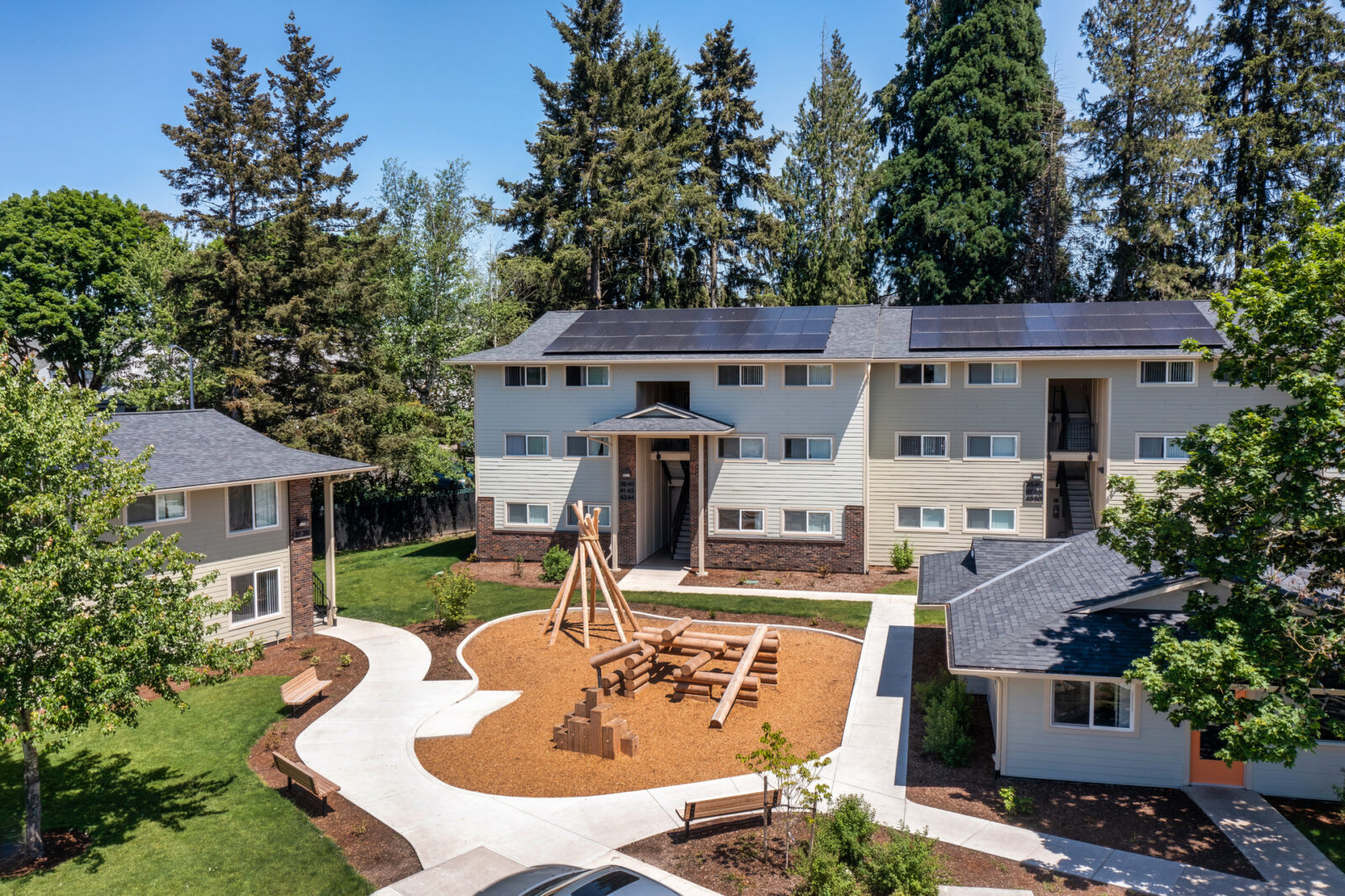
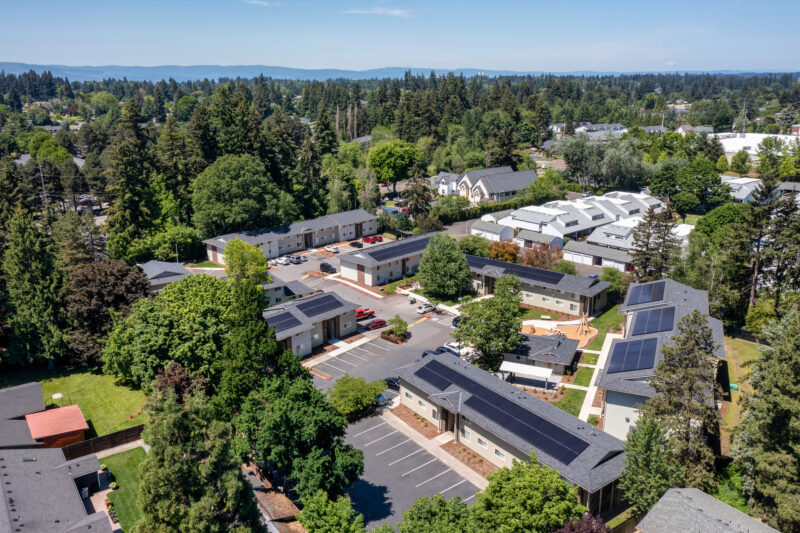
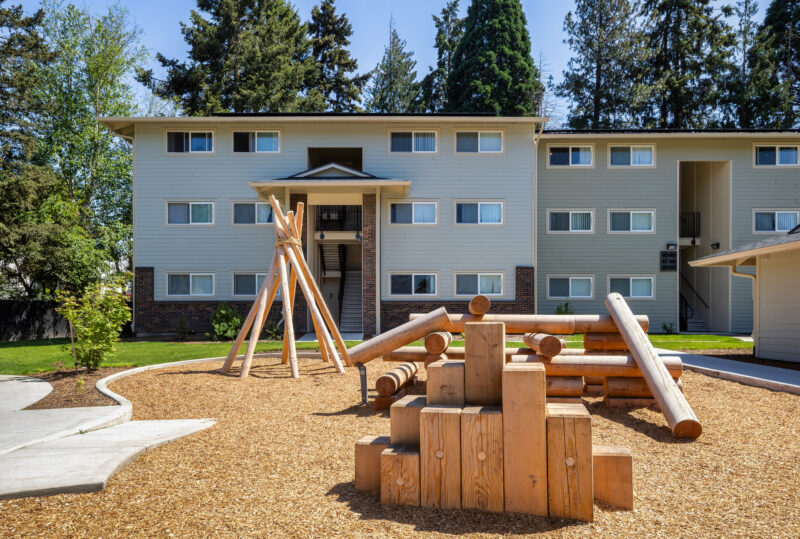
MG2 partnered with the Vancouver Housing Authority to renovate Cougar Creek, an affordable multi-family community in Vancouver, WA. The revitalization modernized eight residential buildings and a community building, and created new shared outdoor spaces, enhancing connection for residents while extending the life of the property as an affordable housing resource.

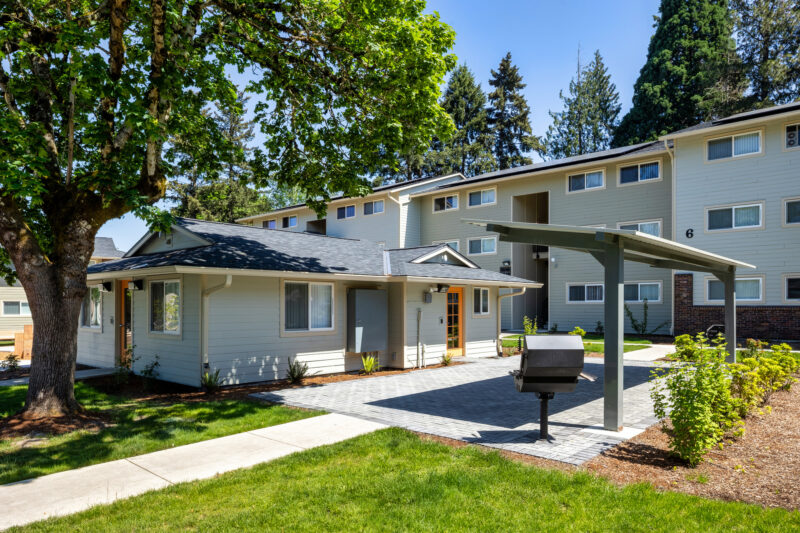
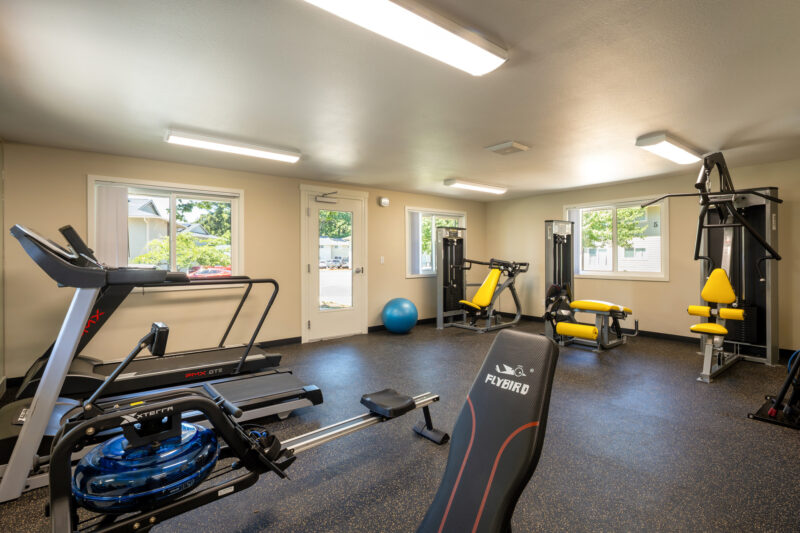
Residential units were refreshed with LED lighting, energy efficient mechanical units, and new plumbing systems, along with updated flooring, countertops, and appliances. Each building received a new roof, enhanced insulation, new stairs and guardrails, and new unit entry doors. The redesigned community building, flanked by new outdoor amenities to make it more of a focal point for the property, features an upgraded fitness center and expanded laundry facilities. In addition, an on-site management office has been added to the property to better support residents and staff.

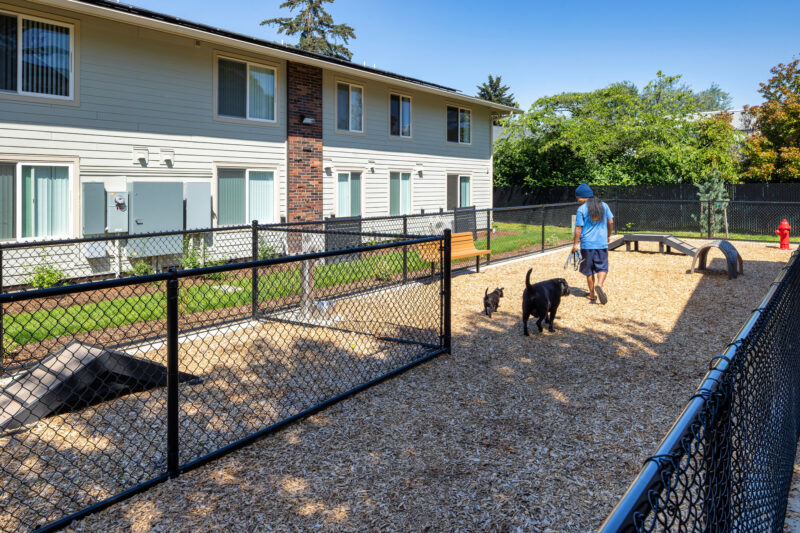
Outdoor improvements create welcoming spaces for gathering and recreation throughout the community. A covered patio with grills encourages residents to connect with friends and family, while a new playground and dog park provide dedicated spaces for children and pets. Sustainable upgrades, including the addition of solar panels across the development as well as an upgraded storm system, further support long-term operational efficiency and environmental performance.


New Lifelines for Empty Anchors

In a recent Commercial Property Executive article, Patricia Kirk spoke with MG2 Principal Jooyeol Oh about the design challenges and rewards that come with adaptive reuse projects. As we wrap up National Preservation Month, we reflect on turning a vacated 1938 Sears building into a thriving residential community.

“Oh was the lead architect on a recent project that converted a beloved 1938 Art Deco Sears store and warehouse in Chicago to 6 Corners Lofts, a residential mixed-use project with 206 apartment units and a 394,000-square-foot Target store on the ground level,” writes Kirk. “This project blends modern residential living and retail, while preserving, enhancing and amplifying the iconic Art Deco elements of the existing Sears store and warehouse.”

First Light: Close Collaboration Helps Team Deliver a ‘Total Work of Art’

In an article from Engineering News-Record, Jonathan Keller spotlights our First Light project as a 2025 Best of the Best Winner, featuring insights from MG2 Principal Jooyeol Oh alongside James Cheng and Mitch Zutter.

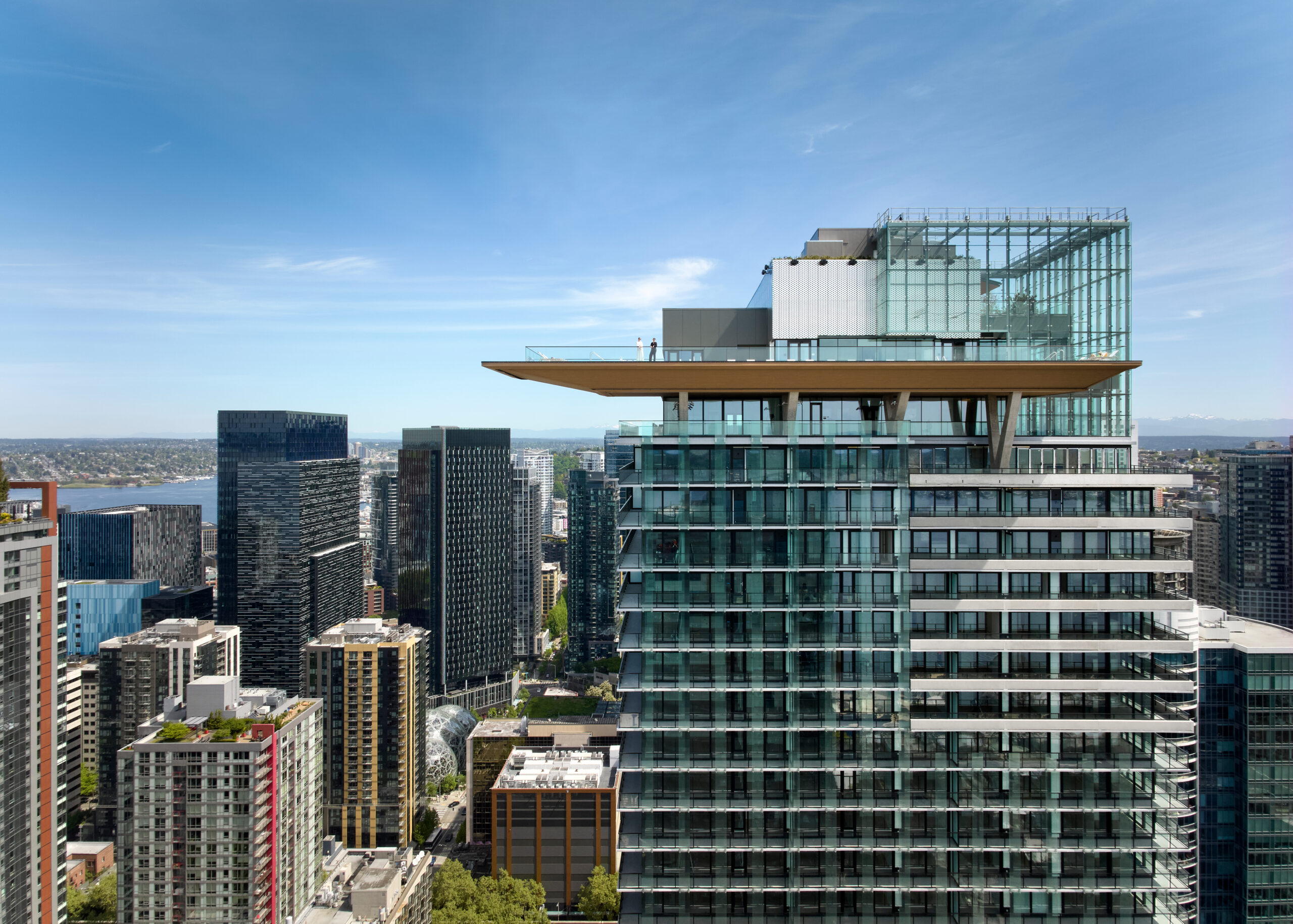
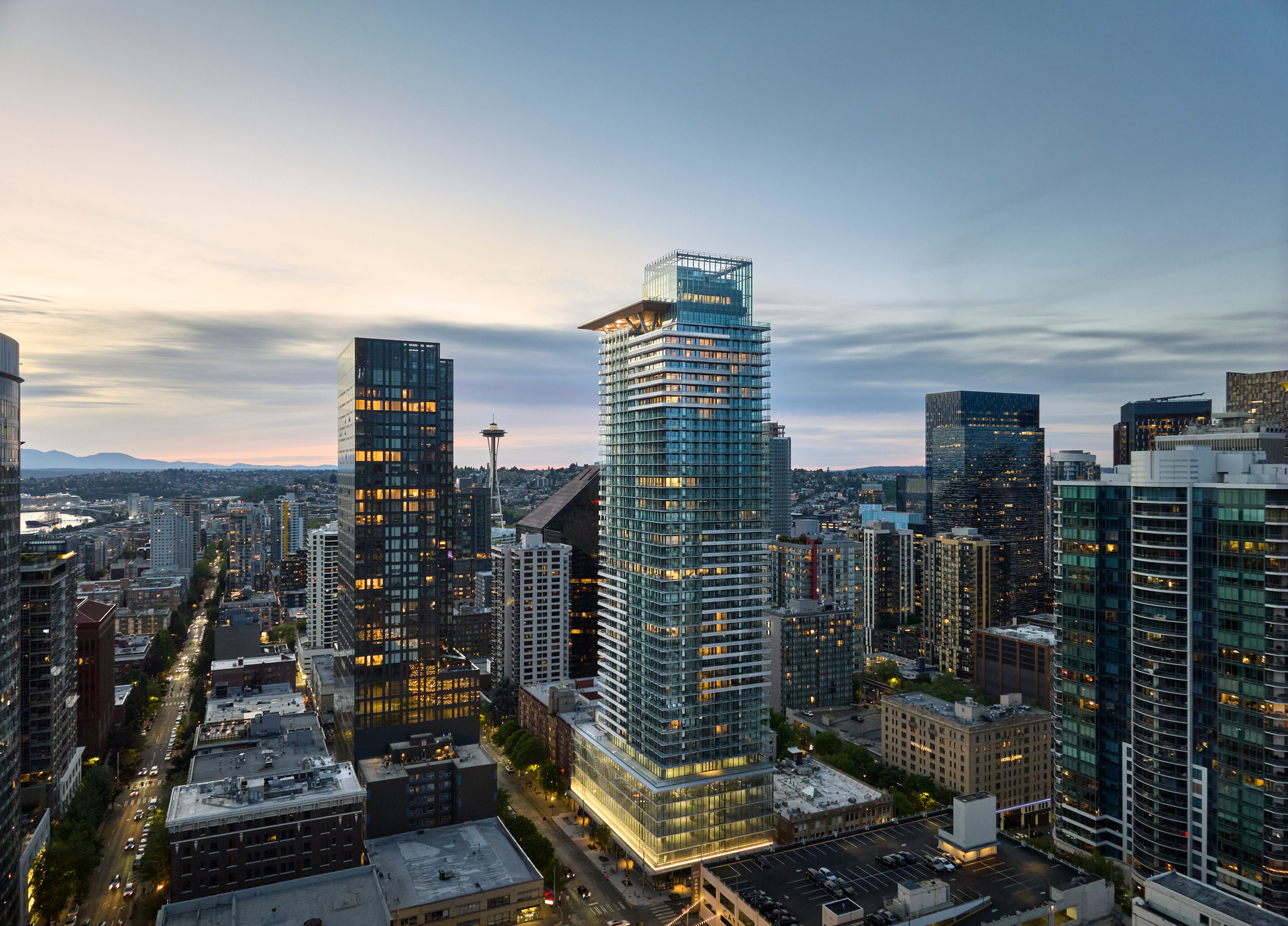
“The pool, located 440 ft above ground, required the installation of a temporary structure—made up of castellated steel beams that were attached on one end to the building’s concrete core—to support formwork for its concrete body. ‘[They] were cantilevered by about 40 feet beyond the footprint of the tower,’ says Jooyeol Oh, principal at MG2, the project’s executive architect. The beams were also connected to the front edge of the floor slab below, reinforced by three concrete floor slabs connected with temporary steel posts. The total length of these beams could run up to 85 ft long. Nearly two years of close collaboration were required to deliver the pool.”

Engineering at Elevation: Inside Seattle’s First Light Tower

In a conversation with Commercial Property Executive, MG2 Principal Jooyeol Oh and James K.M. Cheng discuss the design thinking and collaboration behind our First Light project in Seattle, a 48-story mixed-use tower that blends art, architecture, and livability.

Oh: “What made the process successful was not just the technology, but the culture we built around it.”

Best Residential/Hospitality: First Light

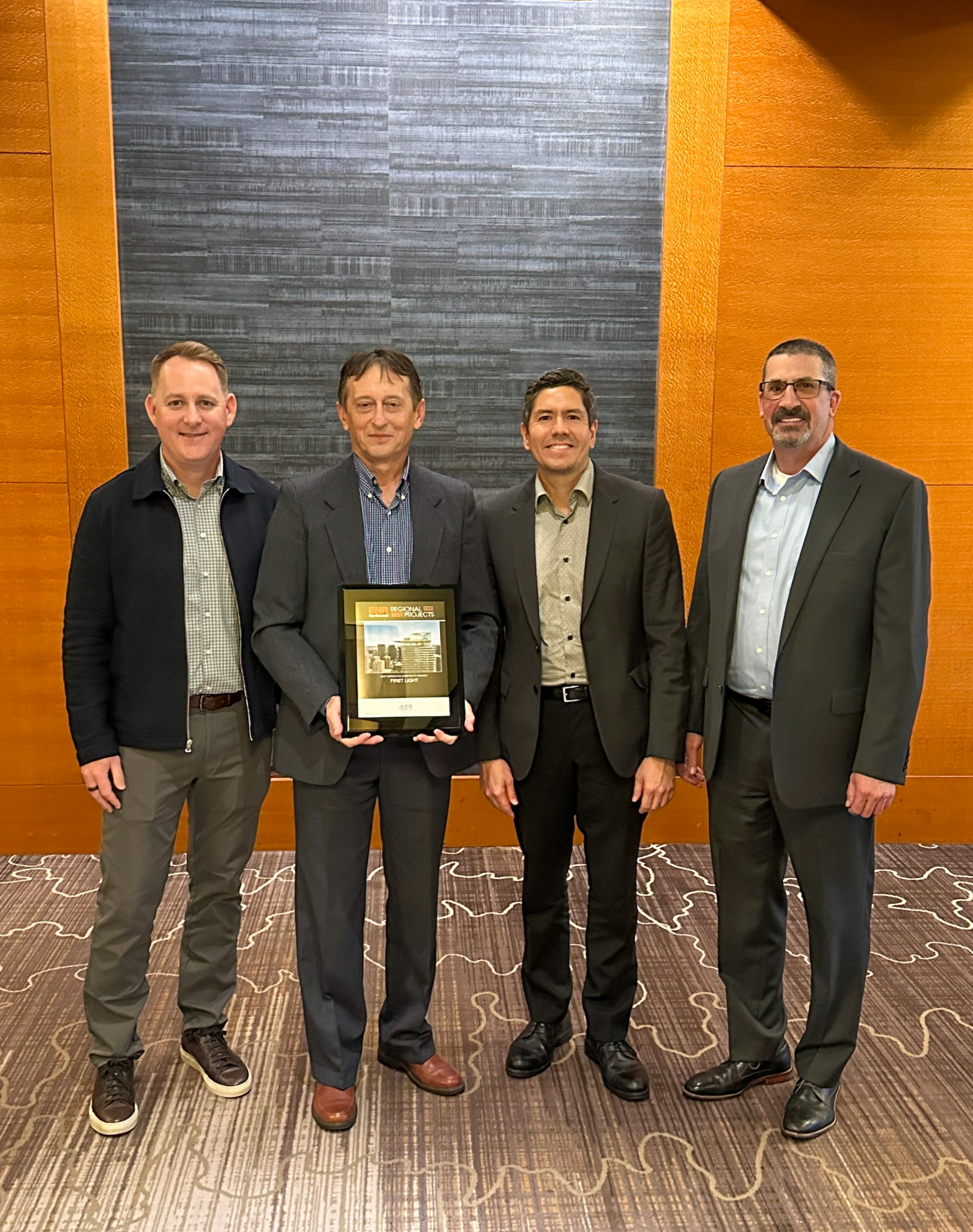
ENR Northwest has unveiled its 2025 Regional Best Projects, and our First Light mixed-use high-rise in Seattle won Best Residential / Hospitality Project! Members of the project team, David Russel, Elik Grin, and Murl Eley, accepted the award at Tuesday night’s ceremony.

Salish Lodge Renovation

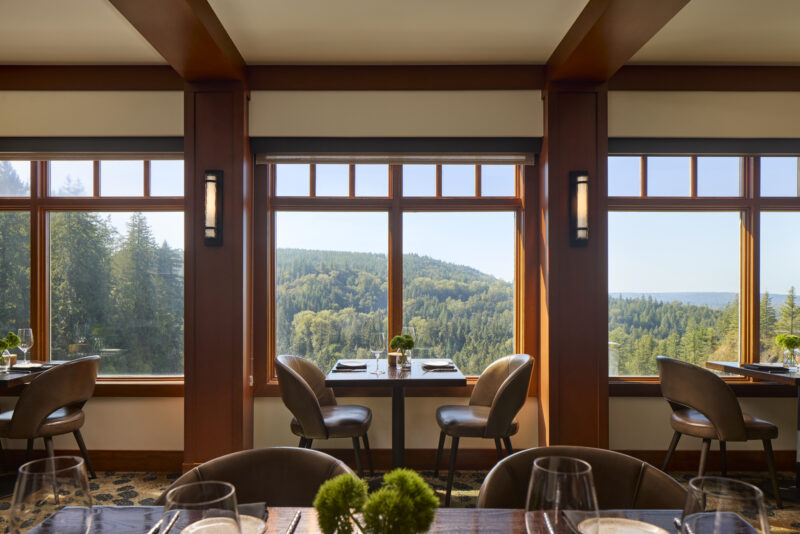
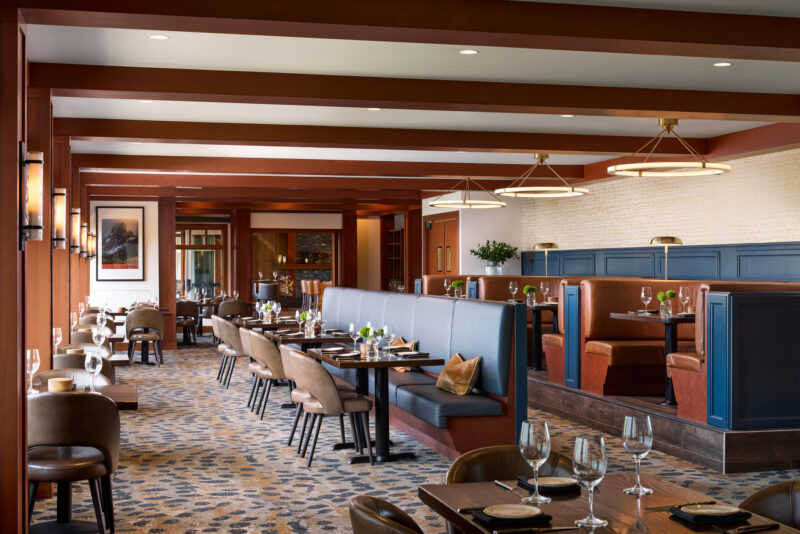
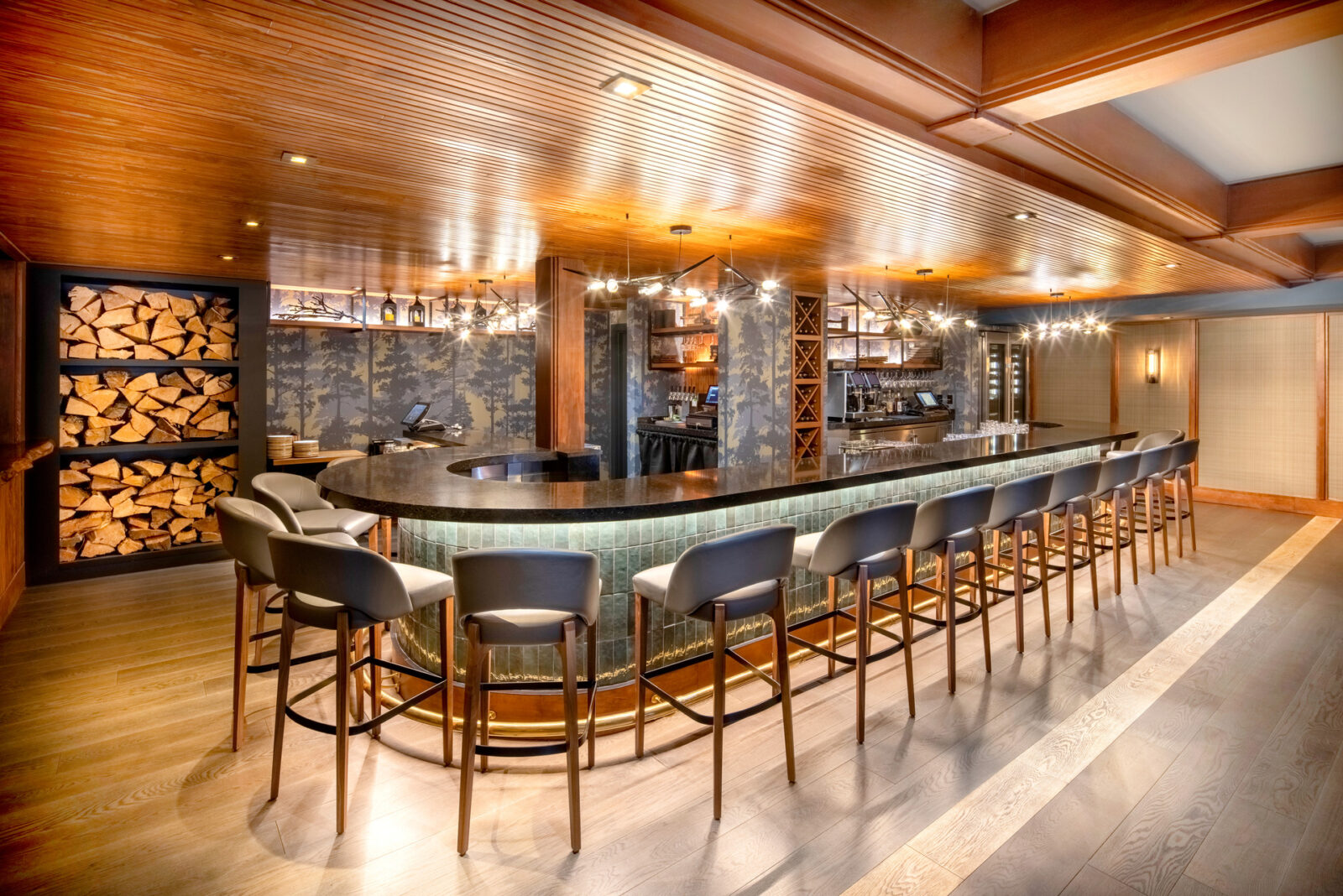
Perched above Snoqualmie Falls, Salish Lodge is an iconic Pacific Northwest destination. MG2 partnered with Salish Lodge to re-envision its guest experiences, maintaining the original character while introducing a contemporary approach. Rooted in the surrounding landscape, the reinvented spaces offer warm, inviting atmospheres that bring the beauty of the outdoors inward.

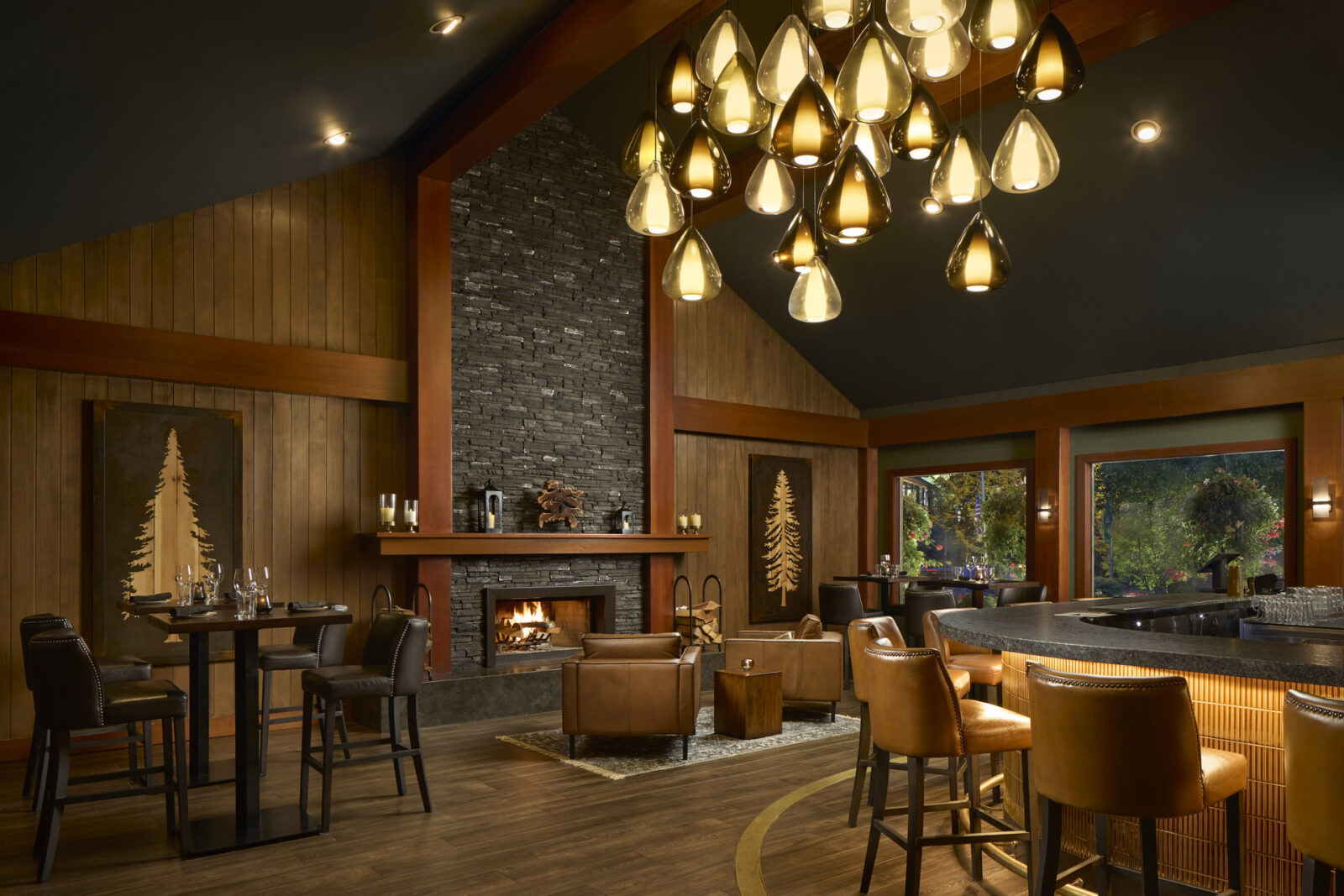
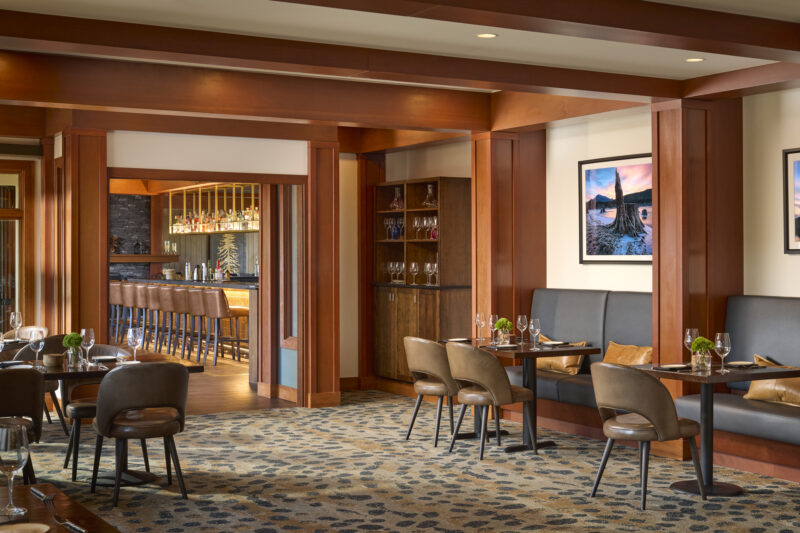
MG2 reimagined the Restaurant and Terrace Bar while upholding Salish Lodge’s aesthetic. The design team retained key original features, including wood beams, slate flooring, and a distinctive light fixture, while thoughtfully integrating new elements. Bricks salvaged from the original fireplace were embedded into the exterior pathway, repurposing a sentimental piece of the lodge’s legacy. Natural textures and organic tones continue throughout, blending seamlessly with the grounds.

The restaurant renovation focused on both functionality and guest experience. A new commercial kitchen supports increased capacity and more efficient operations. The dining room was reorganized to maximize views, with raised banquettes at the back ensuring every guest can observe the stunning scenery. The new ballroom faces the waterfall, and carpeting throughout both spaces subtly echoes its flowing water. Updated finishes, improved lighting, and natural materials contribute to a cohesive, elevated dining experience that feels fully integrated with the rest of the lodge.

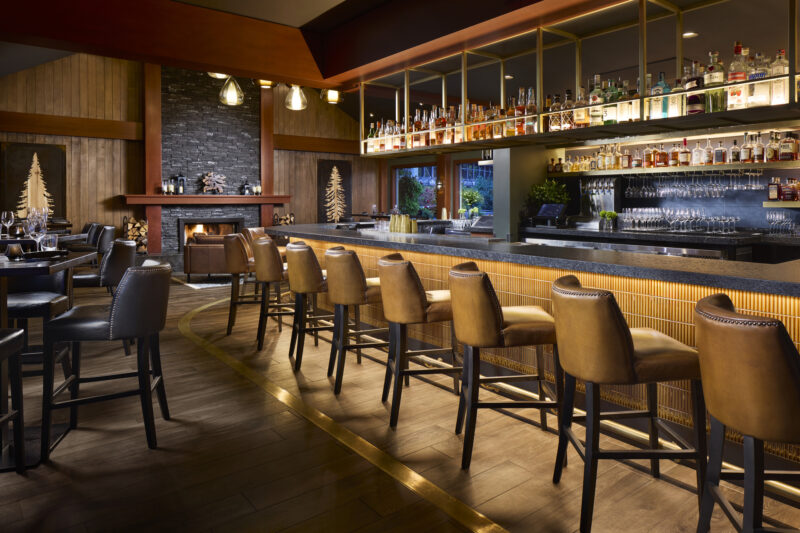
What was once a meeting room was transformed into the new Terrace Bar, offering expanded seating and a stronger connection to the outdoors. An obstructing column was removed to create a full, sweeping counter that anchors the space. Extending into a glass pavilion, the bar allows guests to enjoy the waterfall year-round while remaining sheltered from the Pacific Northwest weather. Inspired by the surrounding nature, honey-colored tile at the bar front reflects native yellow wildflowers, and leathered granite countertops introduce subtle texture. A revitalized fireplace, featuring a stone surround that ties into the bar’s granite, is framed by warm wood paneling to enhance the room’s inviting character. Deep green walls and brass accents balance cool and warm tones, while layered, moody lighting completes the atmosphere and reinforces the bar’s intimate, restorative feel.

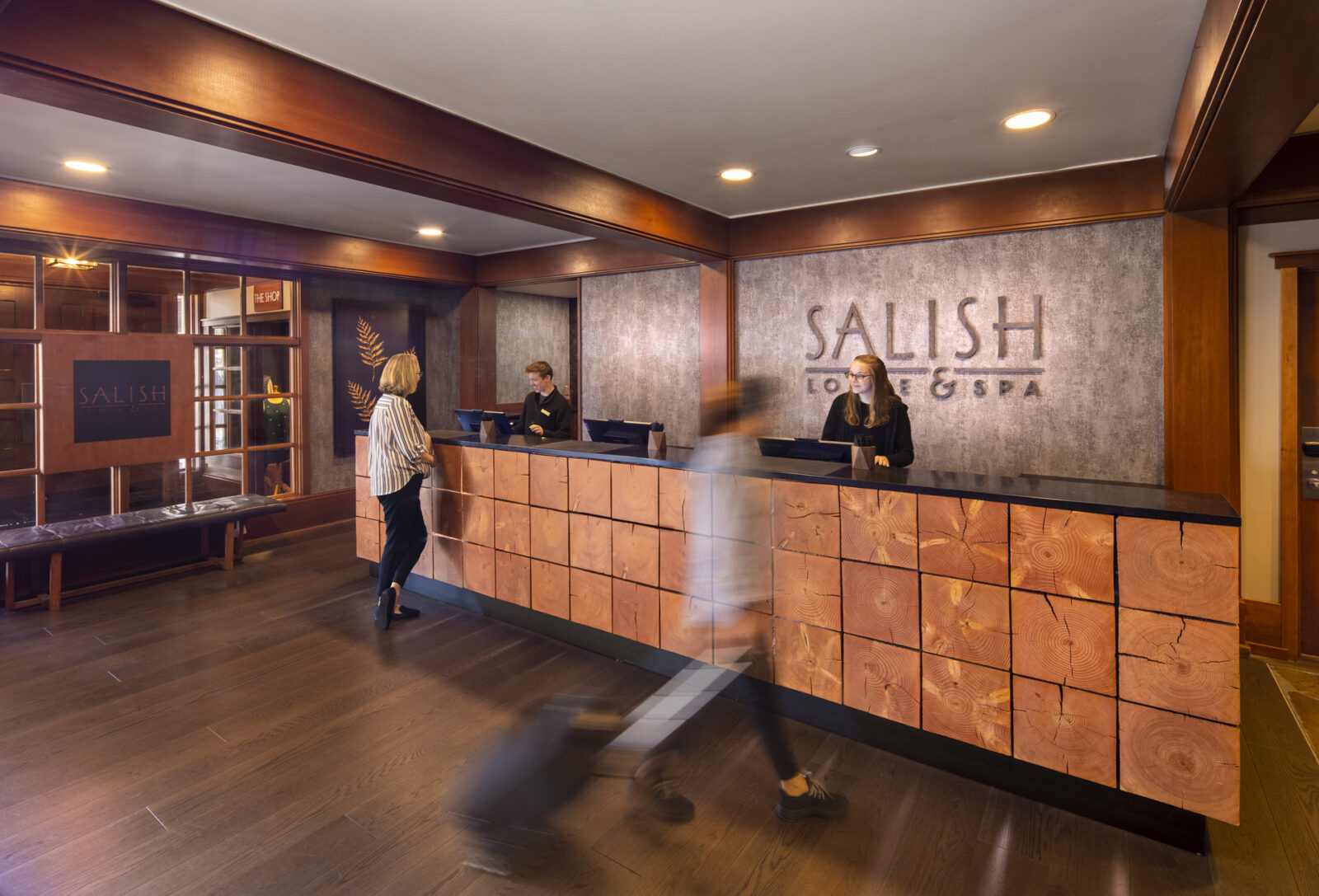
MG2 further enhanced the lodge, introducing a new lobby bar, a rideshare-friendly porte cochere, and a bespoke grand timber reception desk.

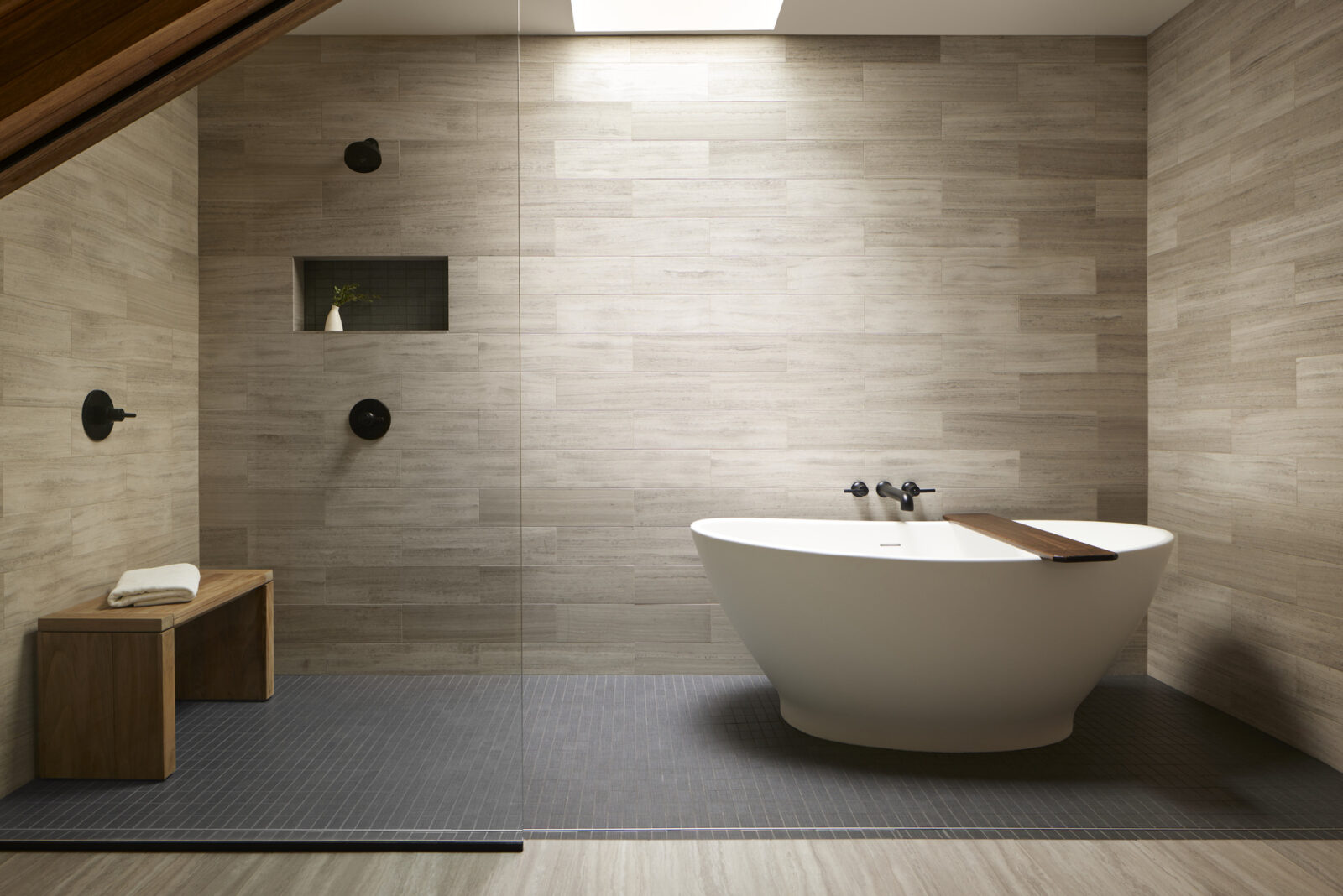
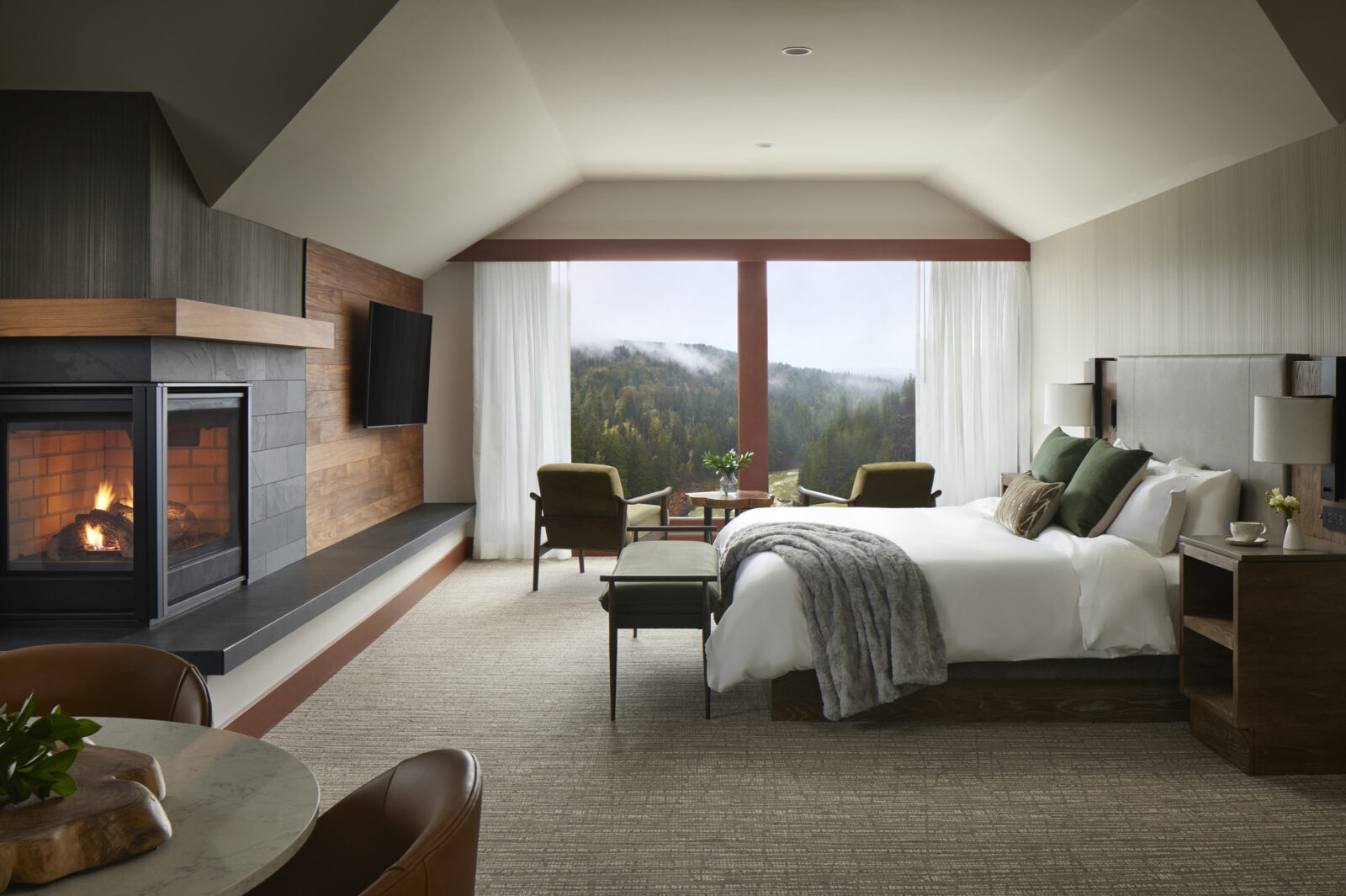
MG2 also upgraded the suites, requiring a careful, puzzle-like approach, balancing the integration of contemporary elements with the lodge’s historic fabric to deliver a seamless five-star guest experience. 

Nestled into the hillside and deeply connected to its environment, the reimagined Restaurant, Terrace Bar, and guest suites combine legacy with renewal. By preserving the essence of Salish Lodge while introducing refined upgrades and improved functionality, MG2 has created spaces that feel both familiar and revitalized, offering guests a more expansive, connected, and memorable experience.


MHN Announces the 2025 Excellence Awards Winners

Multi-Housing News recently announced its 2025 Excellence Awards Winners, and our 6 Corners Lofts project in Chicago won Gold in the Best Adaptive Reuse category.

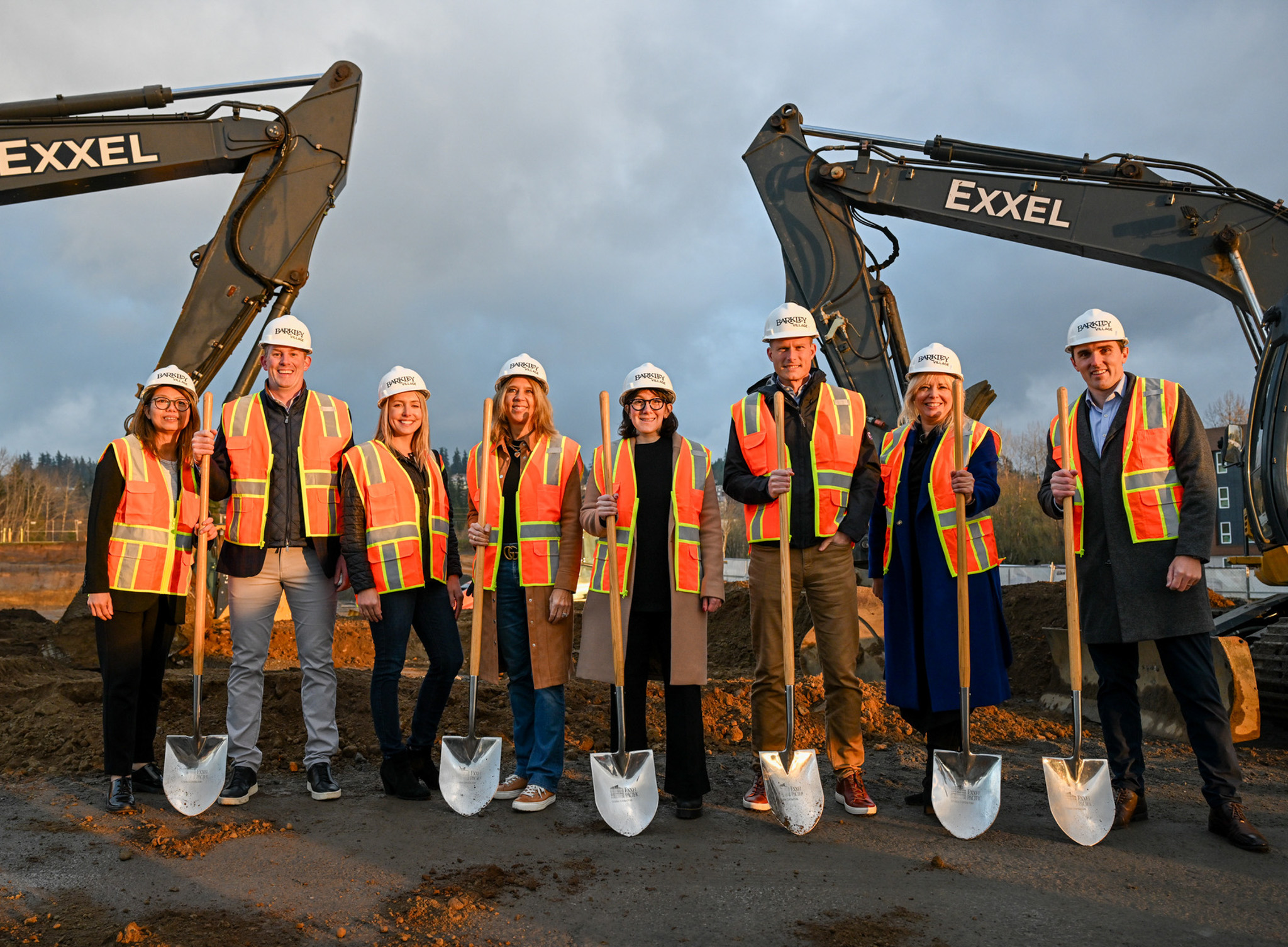
Groundbreaking Ceremony: The Manning Apartments at Barkley Village and a New Urban Core in Bellingham, WA

Bellingham’s newest multi-family community has broken ground! MG2, alongside Talbot Group, Realogics Sotheby’s International Realty, and City of Bellingham celebrated The Manning‘s groundbreaking earlier last month.

Located within the master planned Barkley Village development, The Manning is a new 171-unit residential complex. The building includes a gym amenity space and a large commercial space on the ground floor. Building on the master plan’s goals for a true urban village, the development seeks to draw in the community and add vibrancy to the area. Residents have direct access to dining, shopping, and entertainment options from a farmer’s market to a movie theater.

“MG2 is honored and excited to break ground on The Manning, the gateway project of the Barkley Village master plan. This building has been designed to show resiliency and timelessness, reflecting the Talbot Group’s own roots and commitment to Bellingham and the Barkley Village community.” – Jooyeol Oh, MG2 Principal

MG2 Architect Rebecca Thompson joined the project team on-site to celebrate this milestone.

NAIOP Night of the Stars

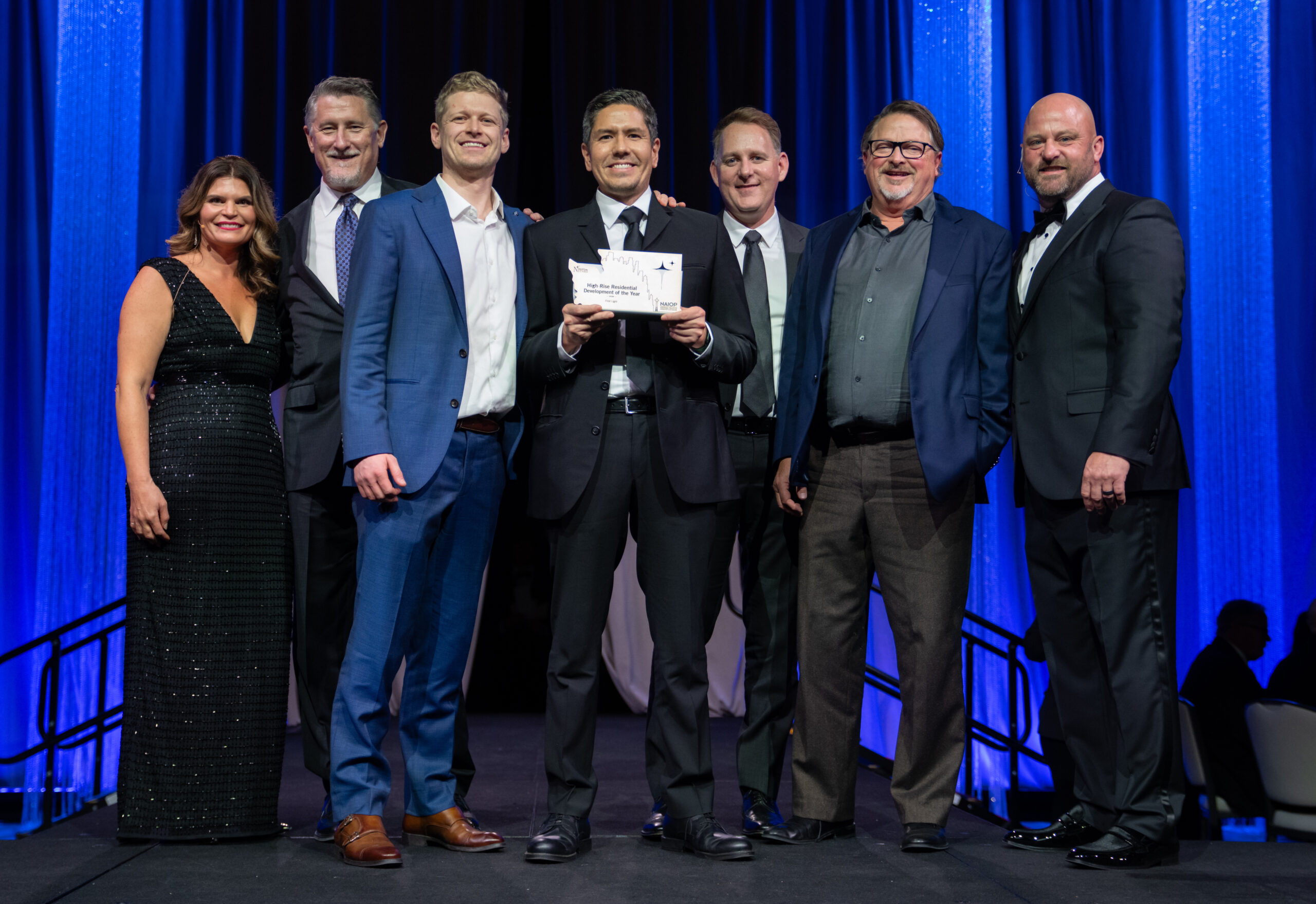
NAIOP’s Night of the Stars Gala & Awards Ceremony was last week and our First Light project in Seattle won High-Rise Residential Development of the Year!

2025 MFE Awards

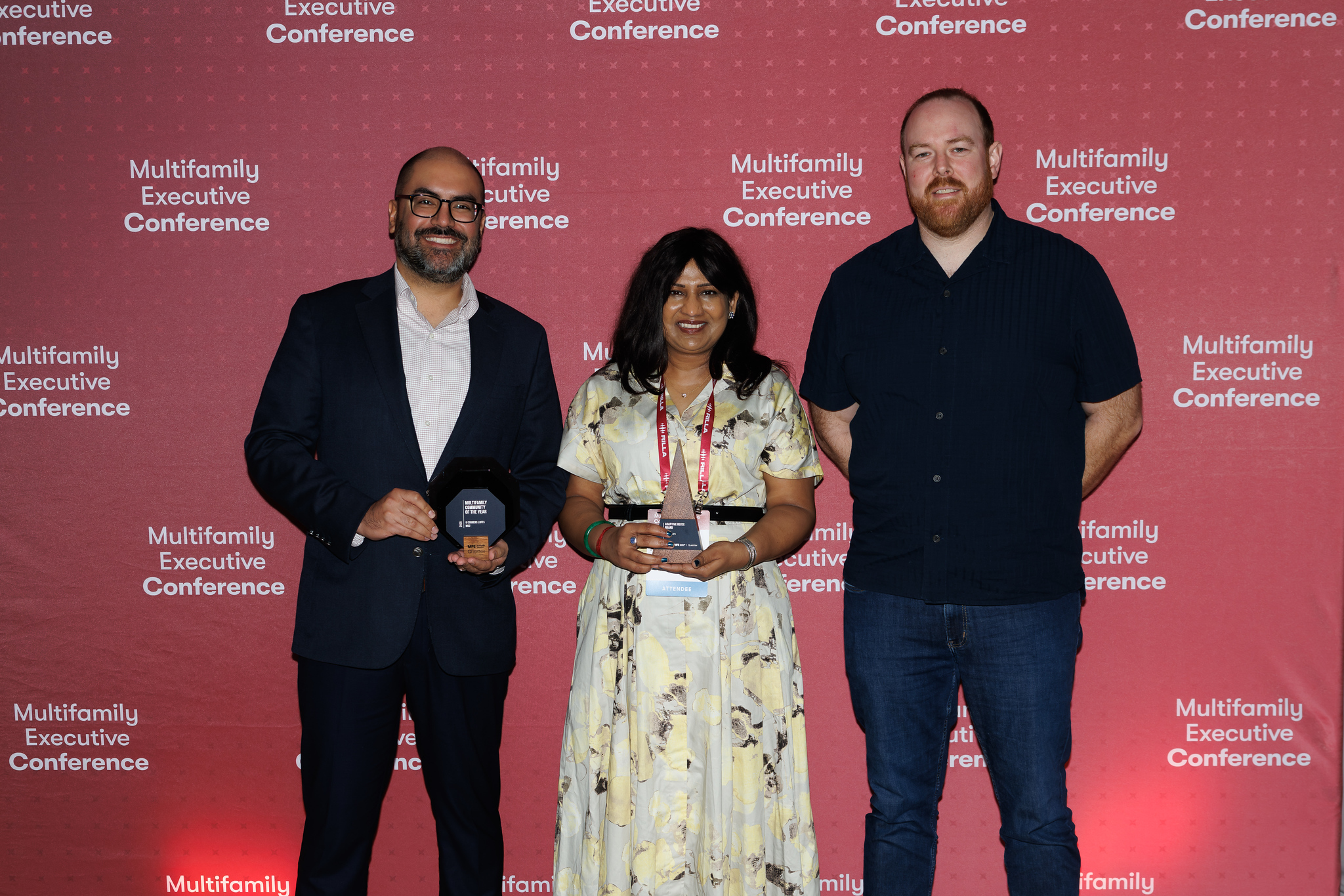
Multifamily Executive has announced its 2025 MFE Awards, and our 6 Corners Lofts project in Chicago, IL won in the Adaptive Reuse category!

MG2 Principals Felipe Romero, Meghana Joshi, and Eli Hardi accepted the award at a breakfast ceremony during the Multifamily Executive Conference in Newport Beach.

AIA Emerging Professional Friendly Firms

MG2’s Minneapolis Office was recognized as an AIA Emerging Professional Friendly Firm! This recognition celebrates our dedication to supporting recent graduates and those in the early stages of their careers through mentorship, collaboration, and meaningful professional growth.

Angel of the Winds RV Resort & Entertainment Space

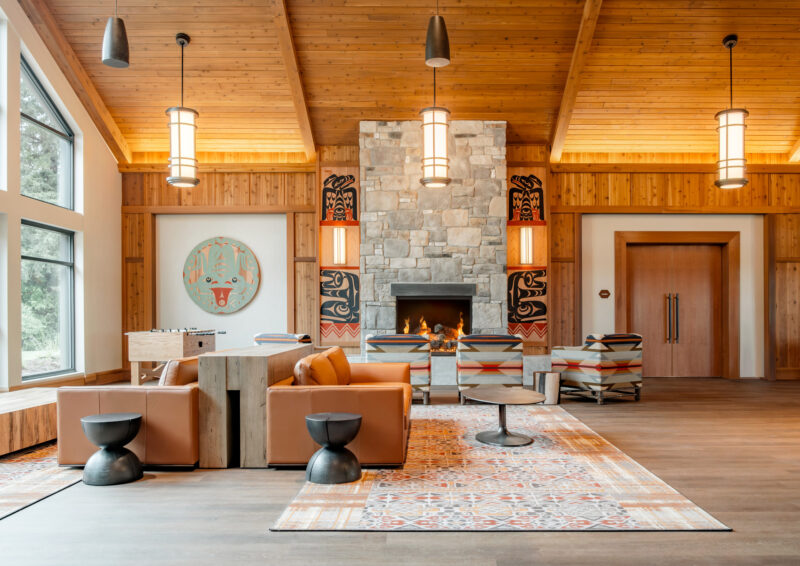
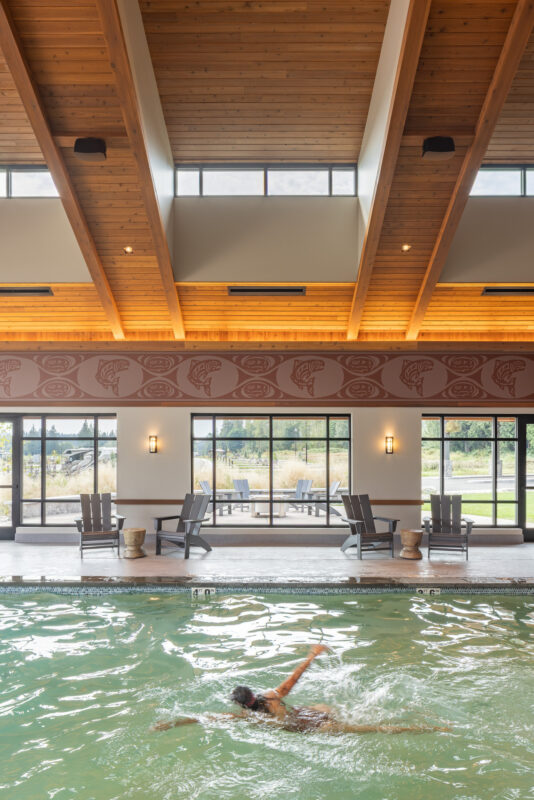
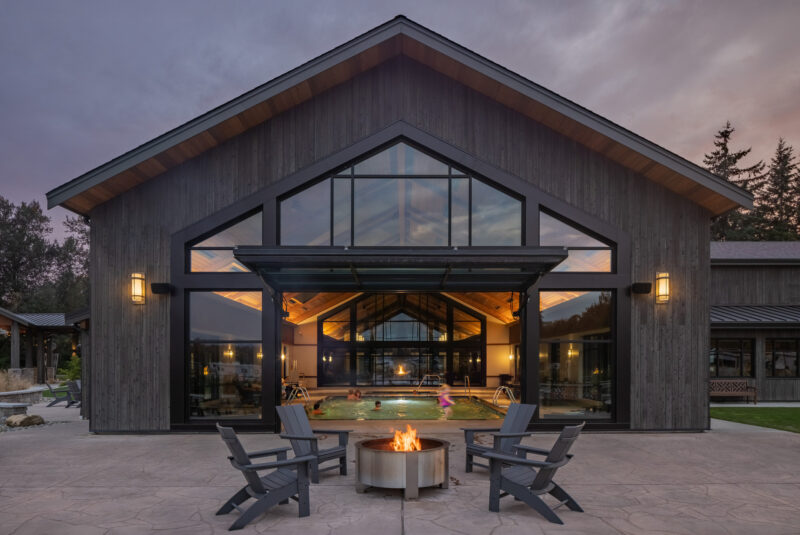
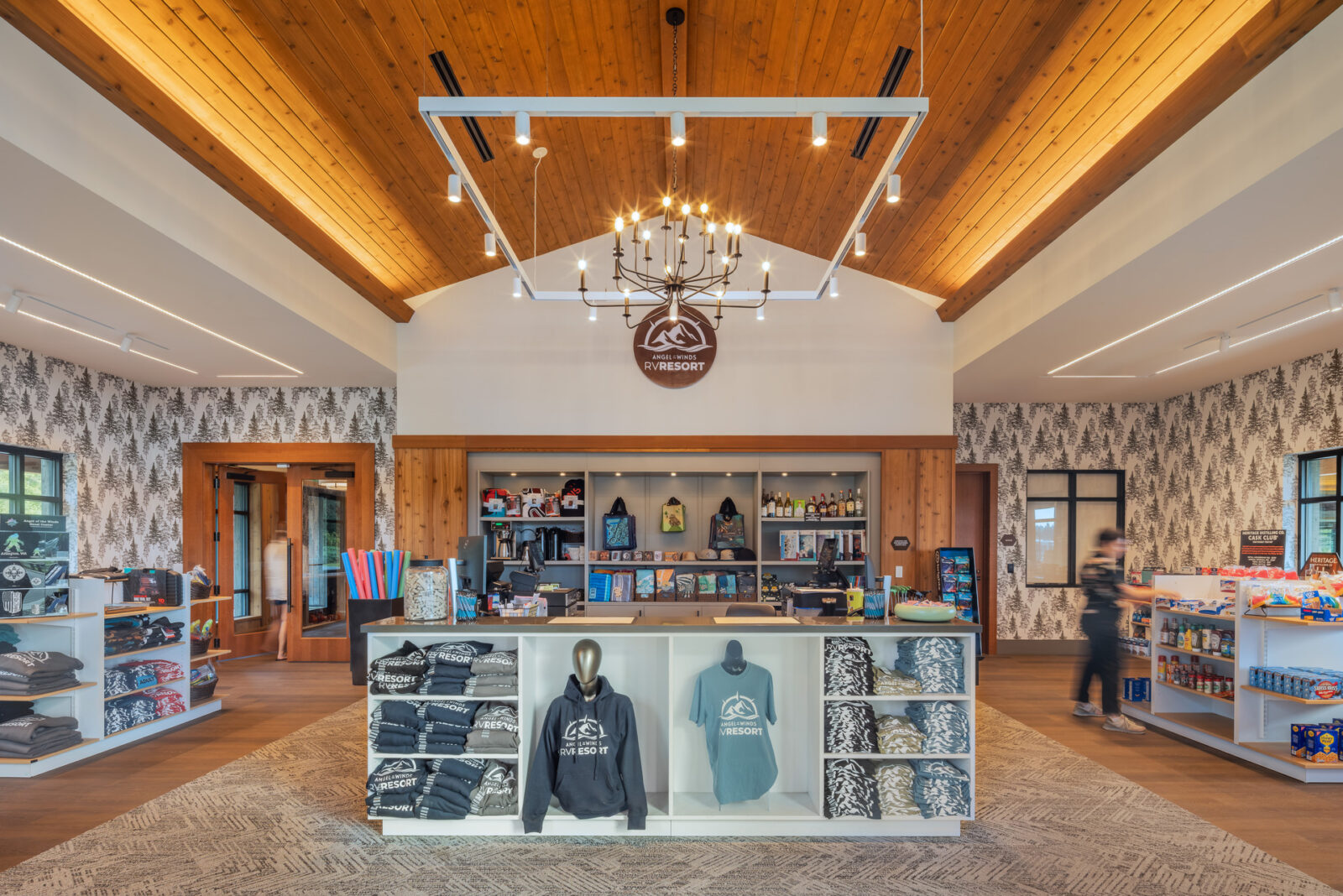
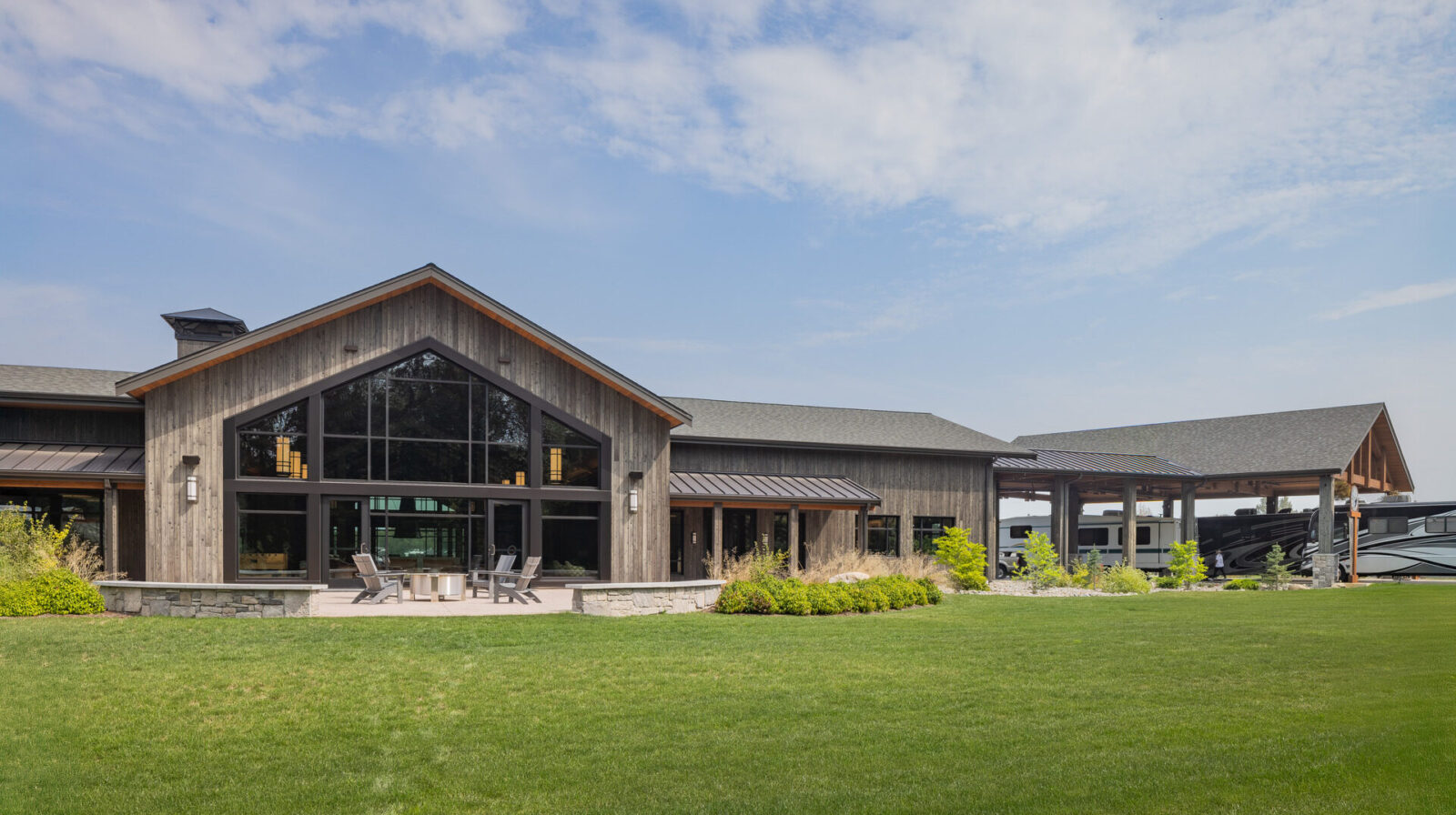
The Clubhouse at Angel of the Winds RV Resort in Arlington, WA, is inspired by the grand lodges of the National Parks. An RV-sized porte-cochere is the gateway to the resort, directly connecting guests to the entrance for a seamless arrival experience. The property offers an elevated camping environment, which today’s travelers are looking for.

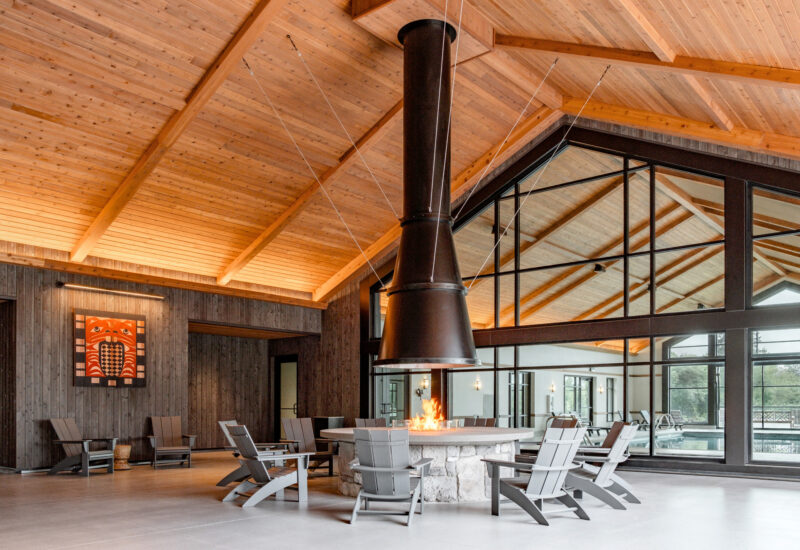
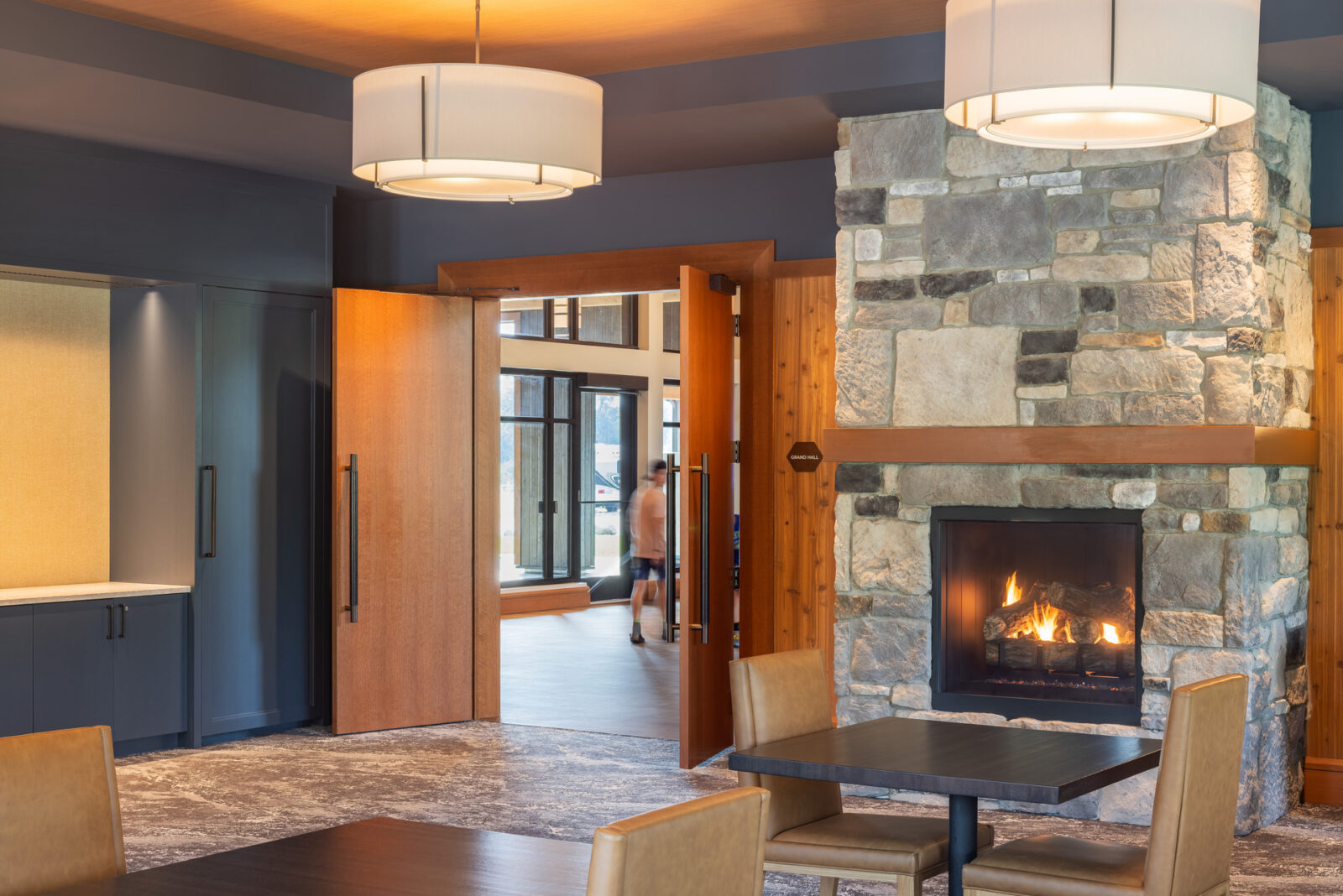
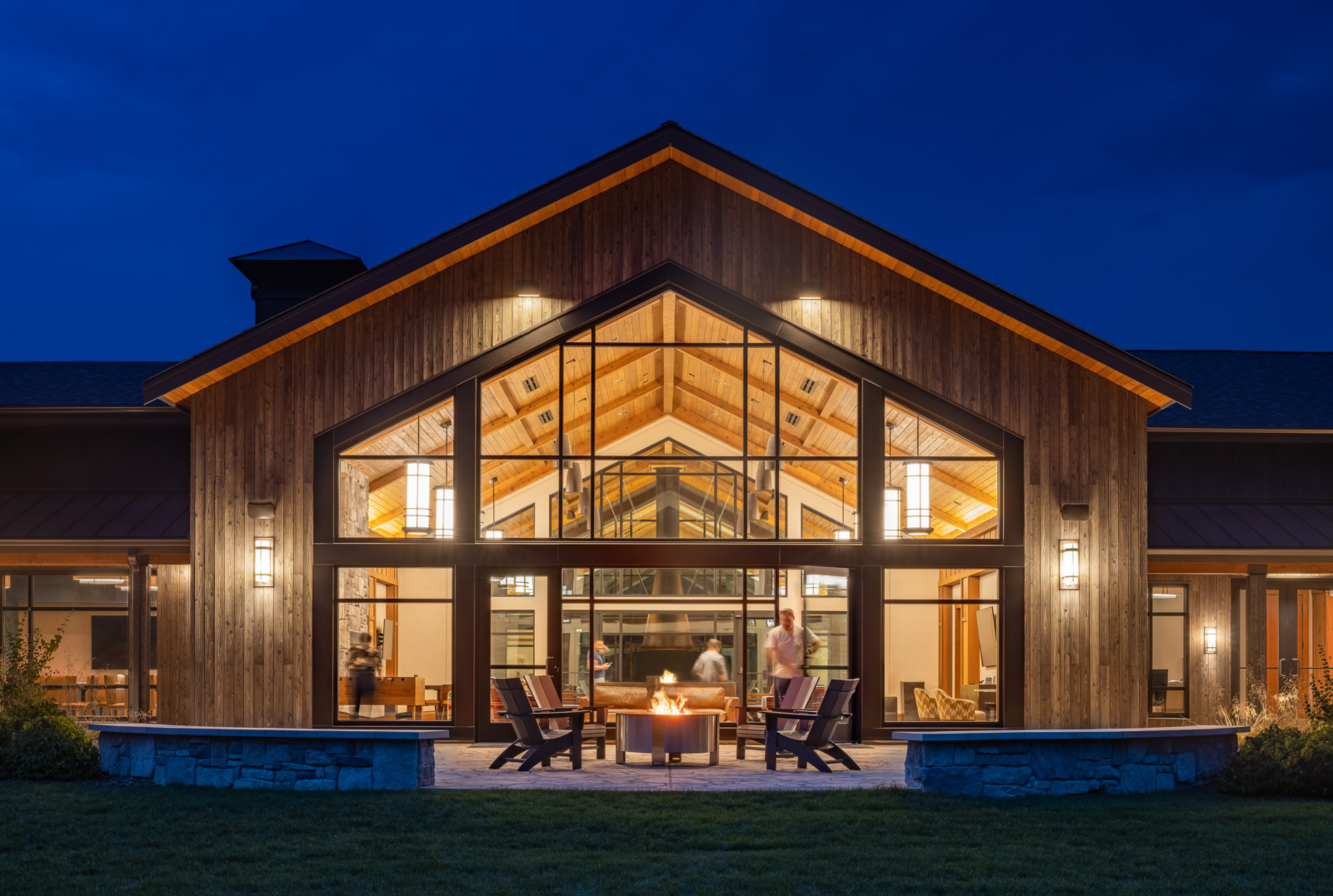
Essential to the building’s design is its indoor/outdoor connection, emphasized by floor-to-ceiling windows. A grand hall has a gable roof, high ceilings, and a large fireplace for gatherings. A gathering room featuring a lounge area with foosball and pool tables and a view of the outdoors was designed for casual conversation.

Shou Sugi Ban Charred Wood, used on the façade, is repeated in the interior, along with locally finished cedar wood ceilings and paneling. A large communal firepit reminiscent of a campfire beckons guests to meet and mingle and encourages impromptu conversation.

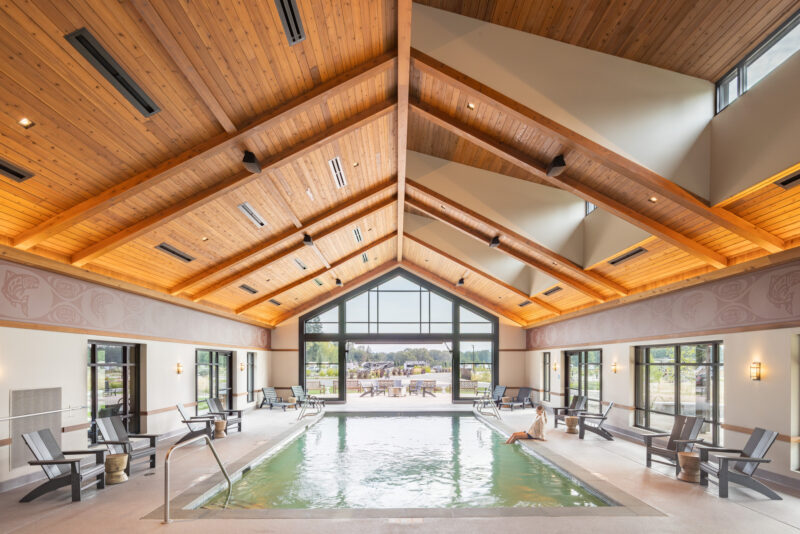
The indoor pool features skylights that pour natural light into the space, and a scissor door opens at its entrance to connect guests to the outdoors. S’Klallam artist Brian Perry crafted traditionally inspired artworks throughout the property, with the Stillaguamish Cultural Department providing additional pieces.

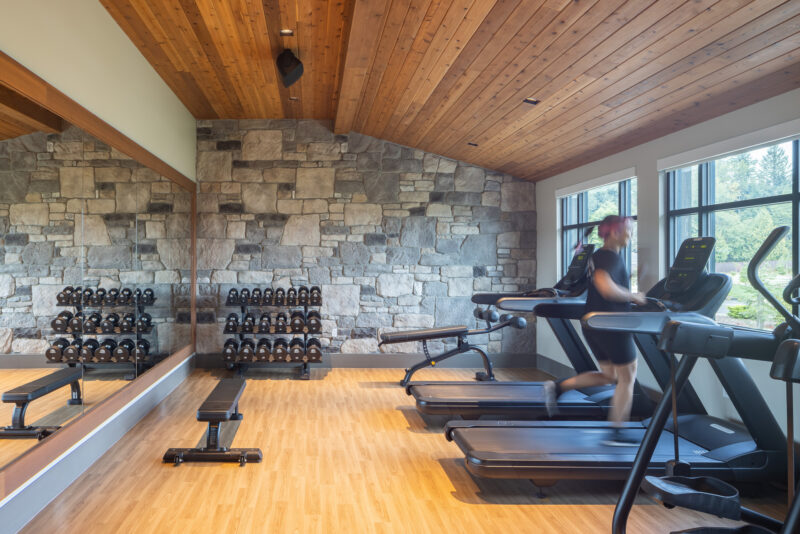
Beyond the Clubhouse lies the resort’s extensive facilities, which include 182 RV stalls, 8 yurts, hotel-quality restrooms with shower and laundry facilities, picnic and BBQ shelters, an off-leash dog park, an interpretive walking trail, 9 fire pits, pickleball courts, a miniature golf course, and a children’s playground. In the distance is a lookout pavilion with a view of the valley and Mt. Baker. The Clubhouse is designed to serve the entire RV resort as a gathering and entertainment space infused with the area’s natural wonder.


Camino Colibri

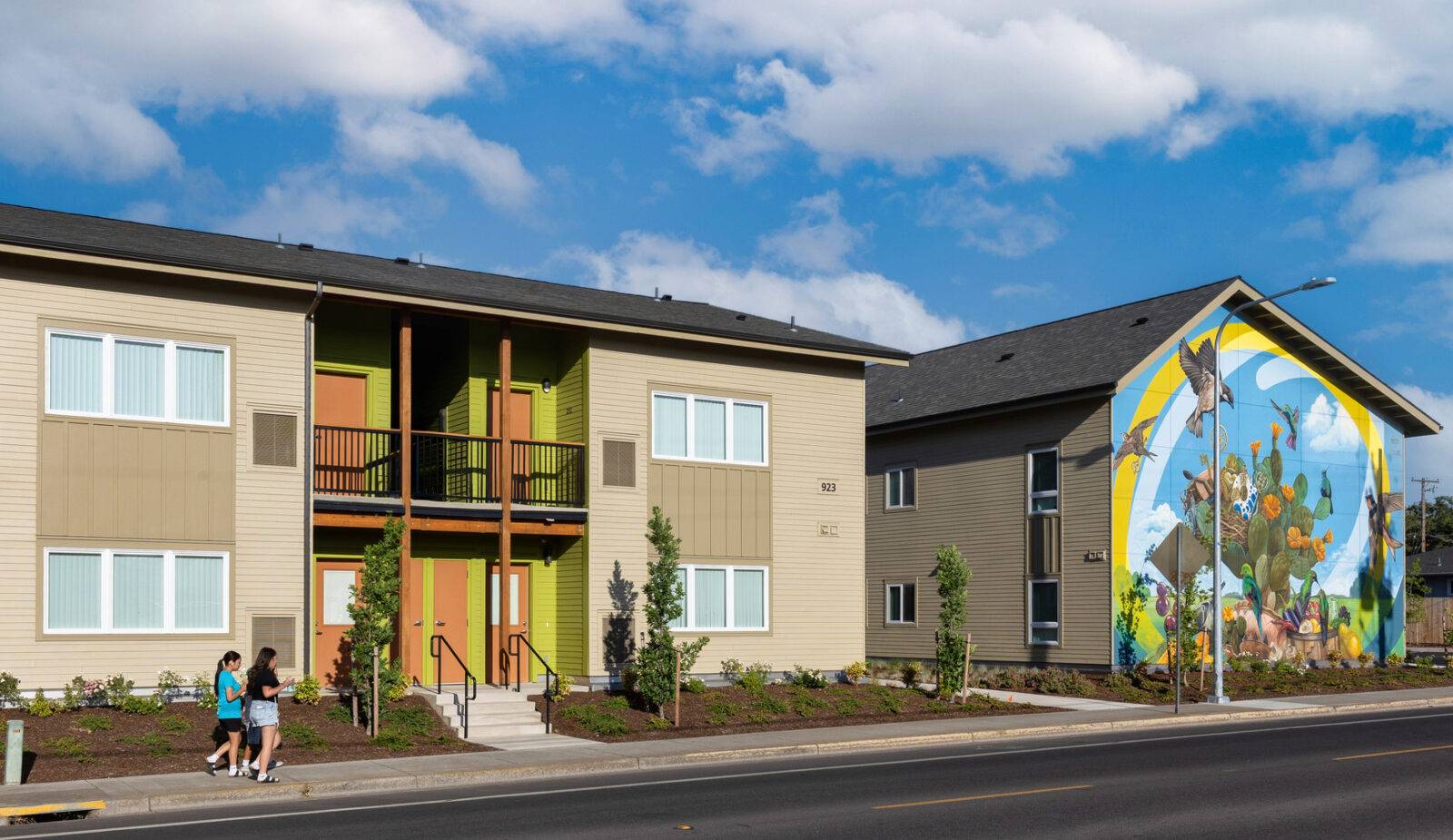
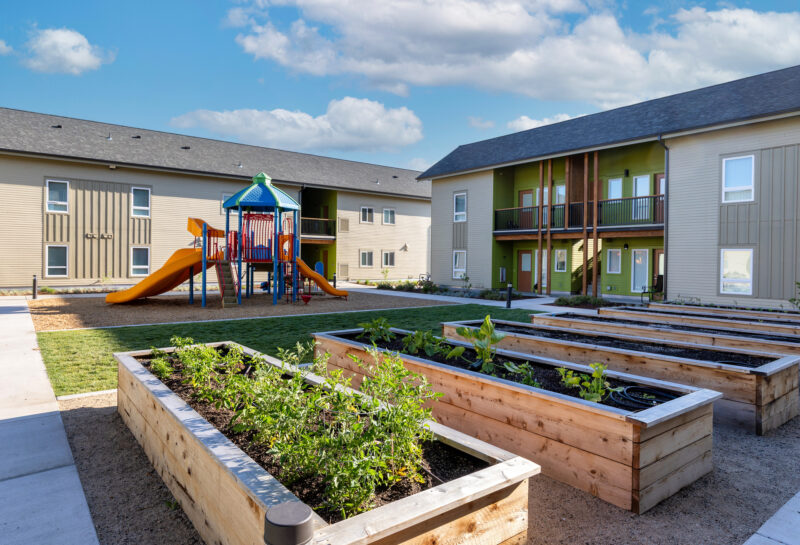
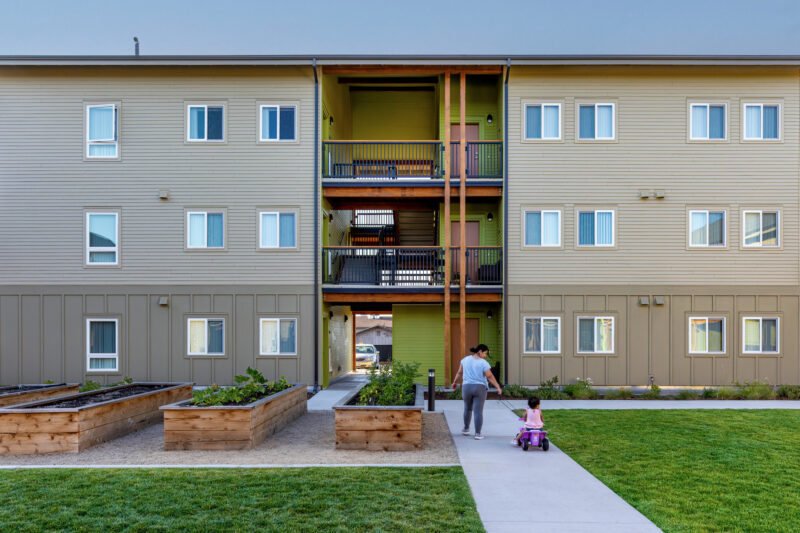
Camino Colibri, a 34-unit affordable housing community, was designed for agricultural workers in Southern Oregon. Developed in response to the 2020 Almeda Fire—the most destructive wildfire in Oregon’s recorded history—the project supports families displaced by the loss of more than 2,600 homes across southern Oregon. MG2 partnered with local organizations to create a multifamily complex that brings residents together into shared spaces reflective of their values.

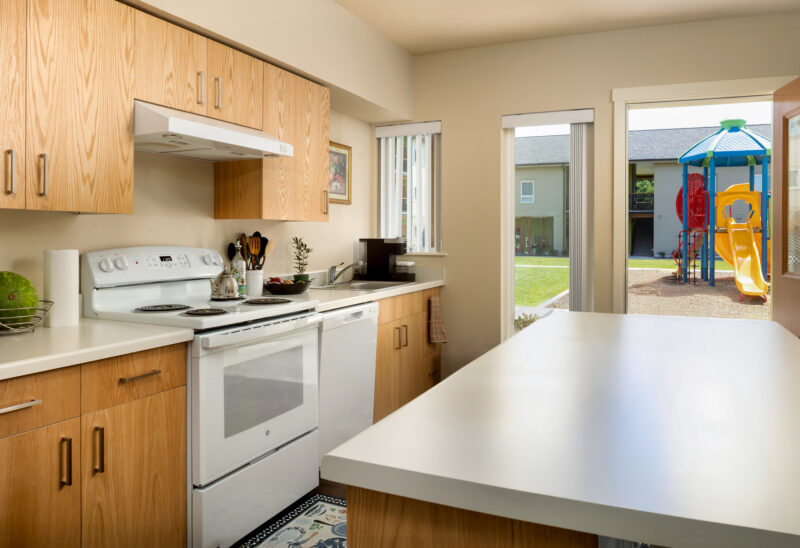
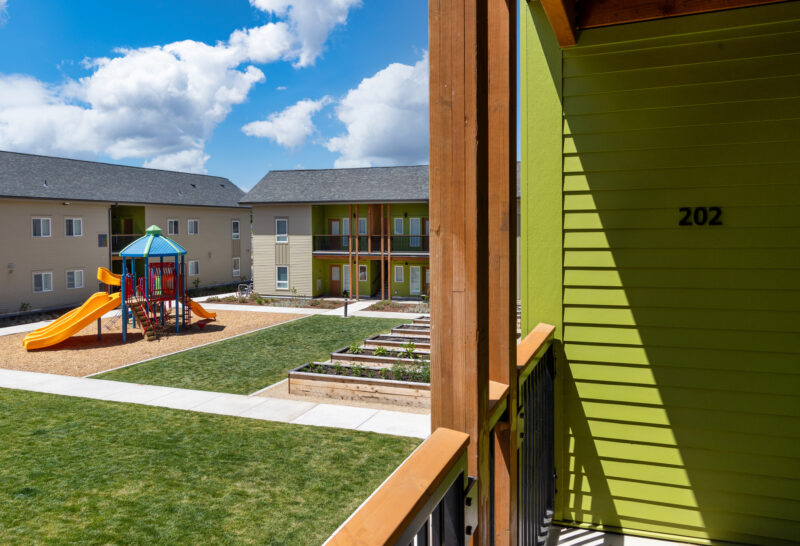
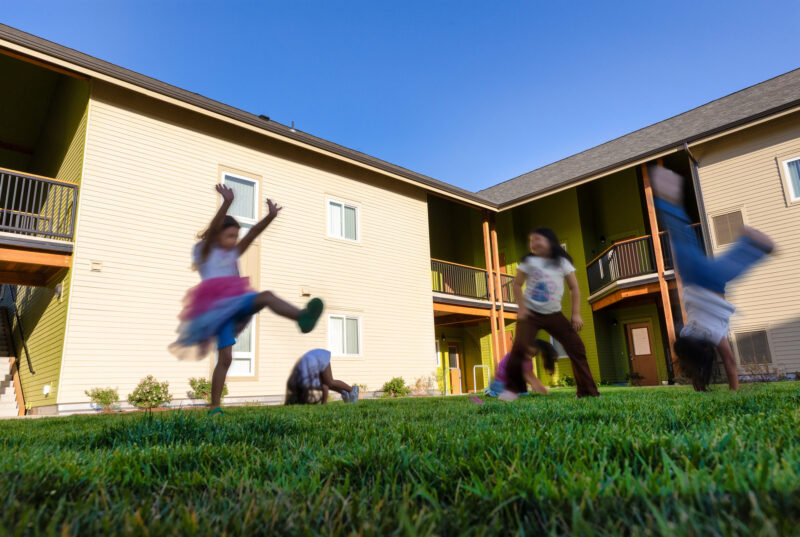
Working closely with CASA of Oregon and Coalición Fortaleza, the design team listened intently to local voices that helped to inform key decisions, including site configuration, shared spaces, unit layouts, and interior features. Open kitchens were prioritized to accommodate family cooking and gatherings. Residences were designed to maximize natural daylight and include balconies and patios that connect to outdoor areas. Windows face the playground, allowing parents to keep an eye on their children while cooking.

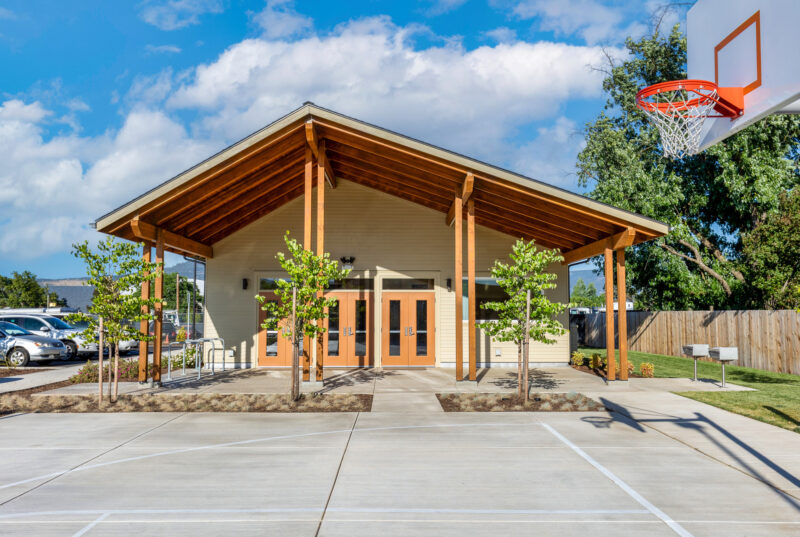
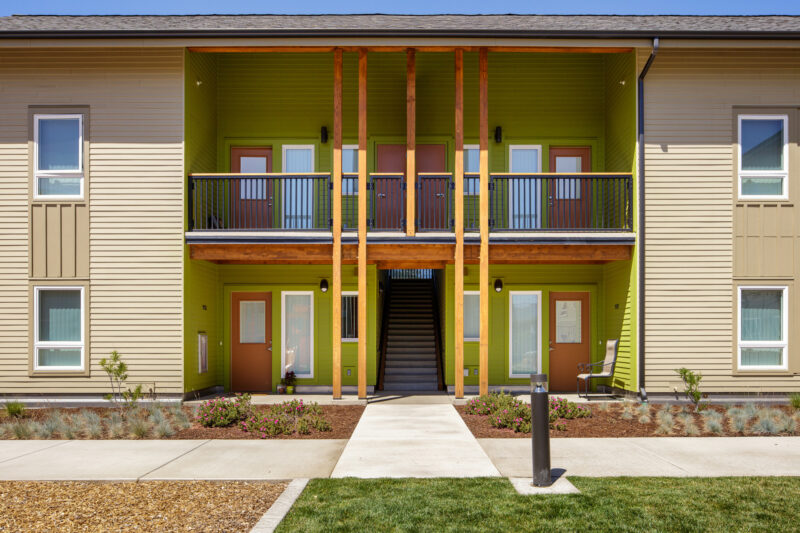
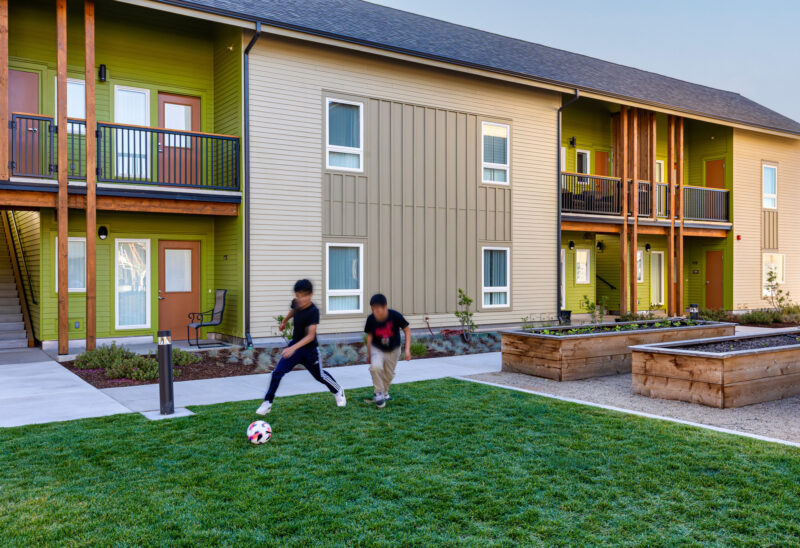
Camino Colibri is made up of three residential buildings bordering a shared lawn, playground, and communal garden—spaces intended to encourage daily interaction and social connection. The community building includes meeting spaces, a shared kitchen, a covered patio, outdoor barbeques, and a basketball court.

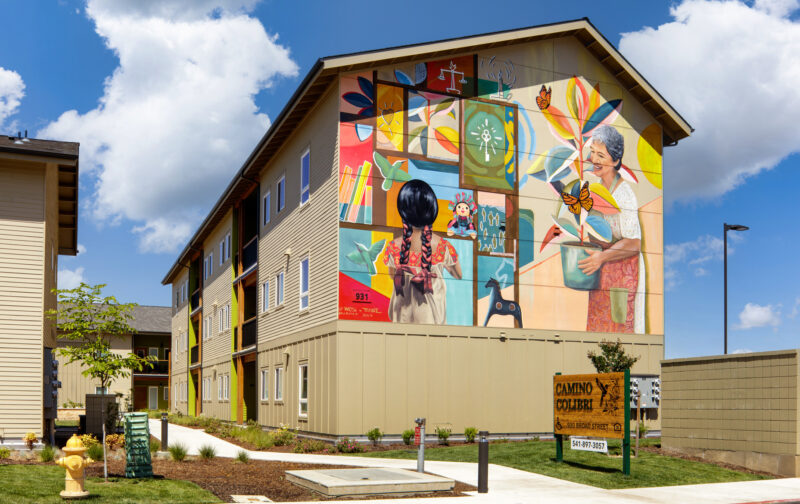
The name Camino Colibri—or “path of the hummingbird”—was chosen by the community. Representing resilience and the residents’ connection to agricultural work, the hummingbird is featured in two larger-than-life murals on the development’s exterior, visible from the sidewalk.

Camino Colibri addresses a need for affordable housing in the region and reflects MG2’s collaborative, community-informed approach to design.


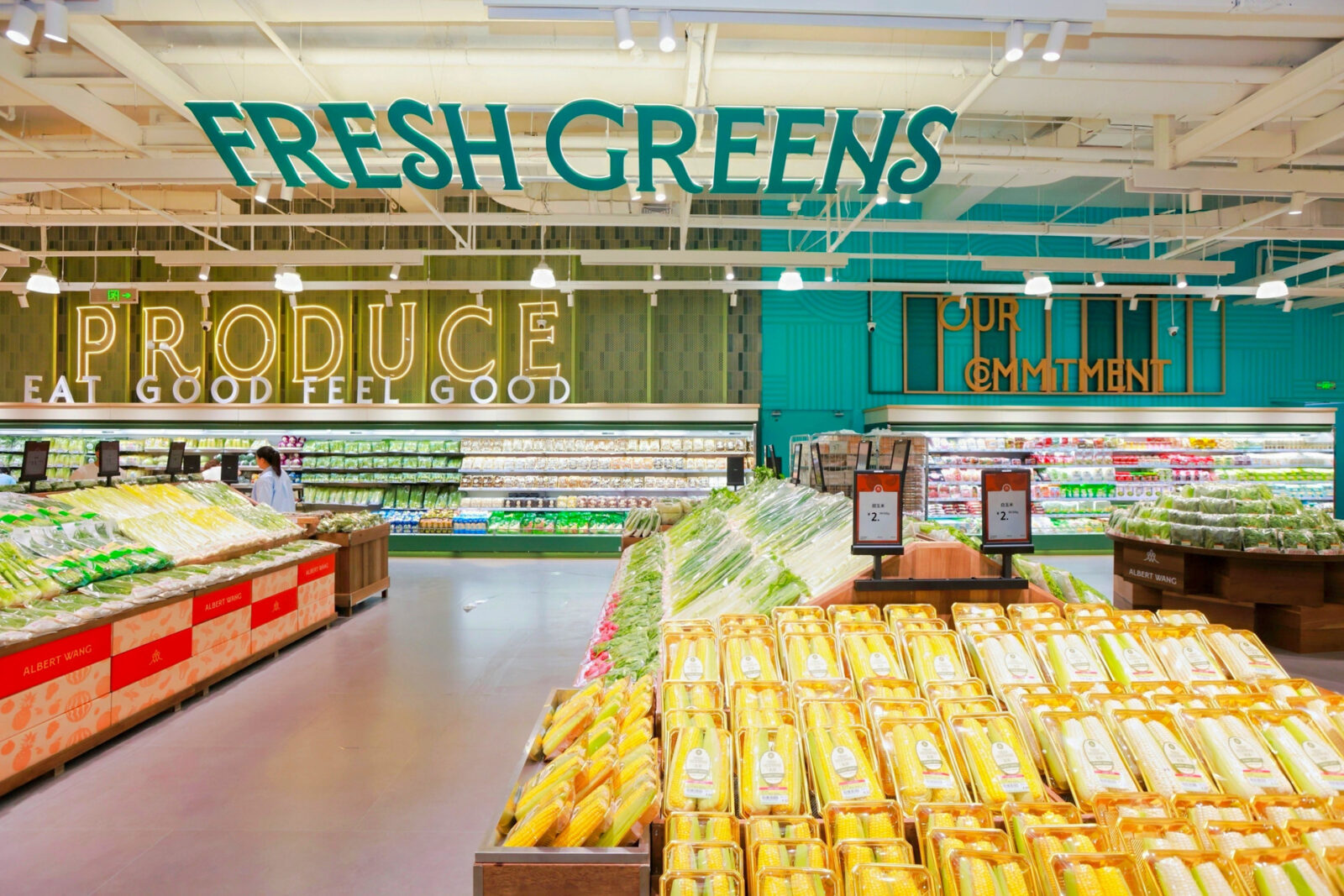
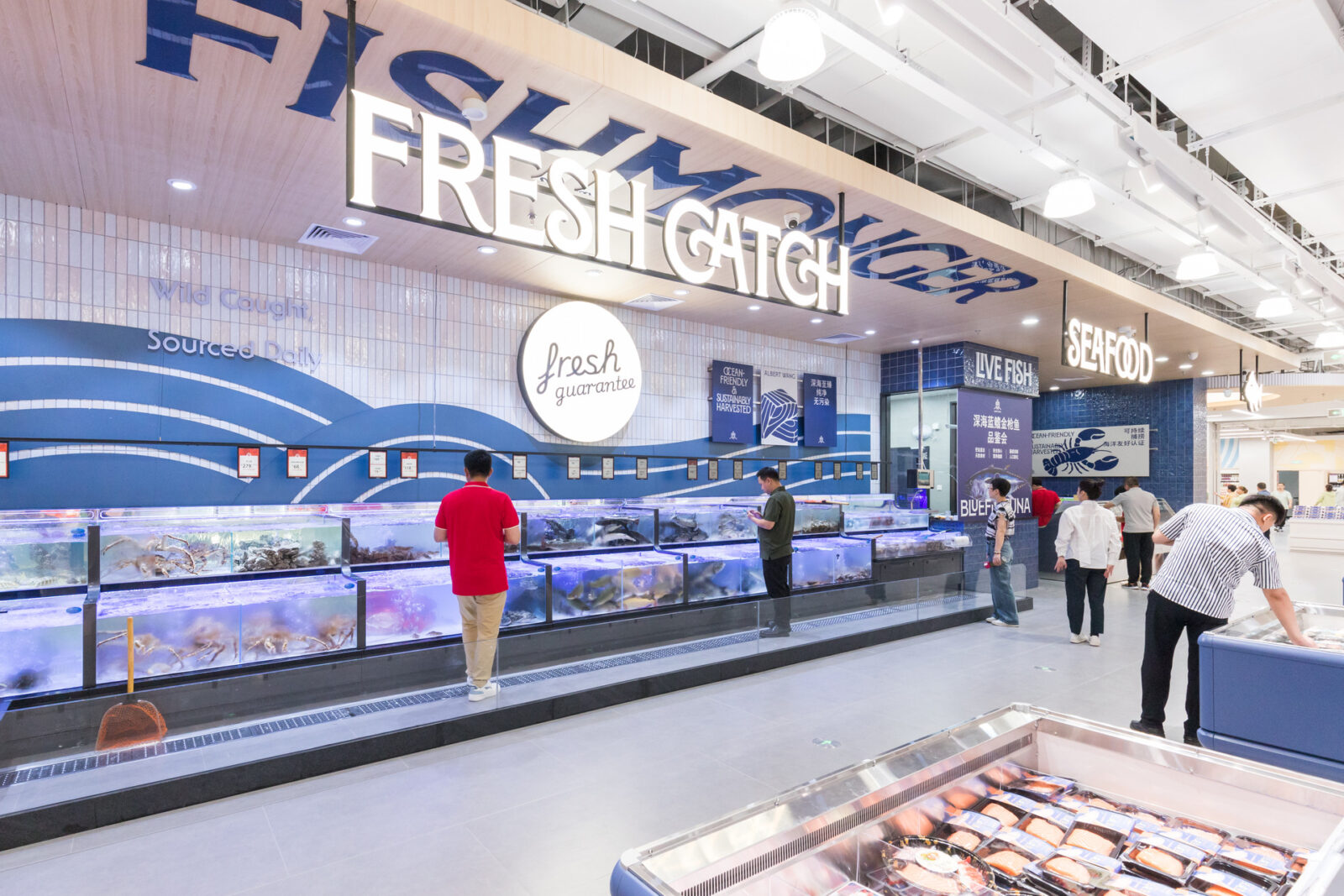
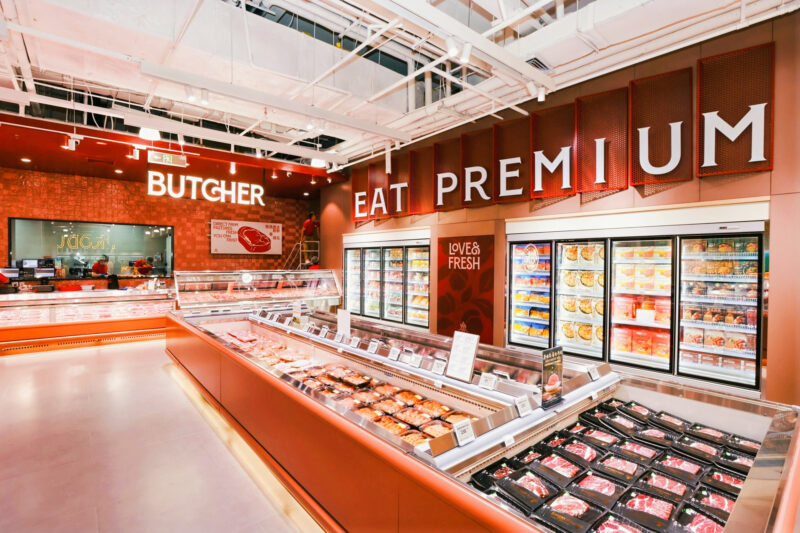
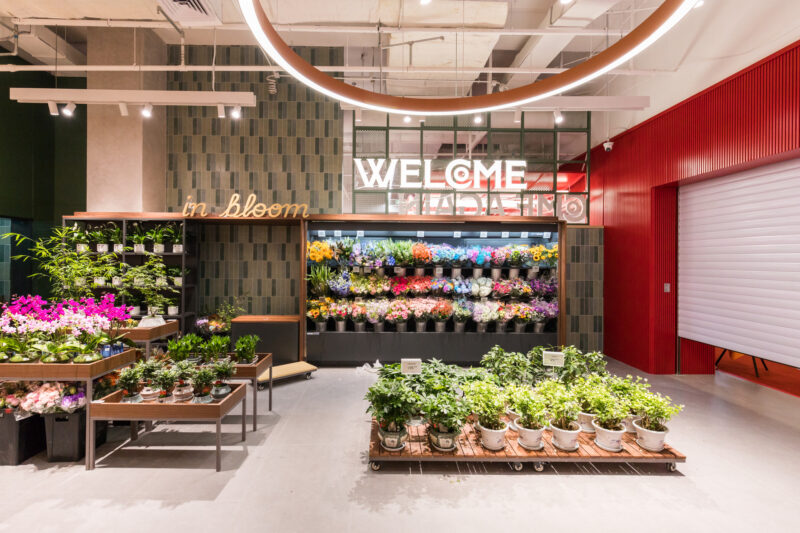
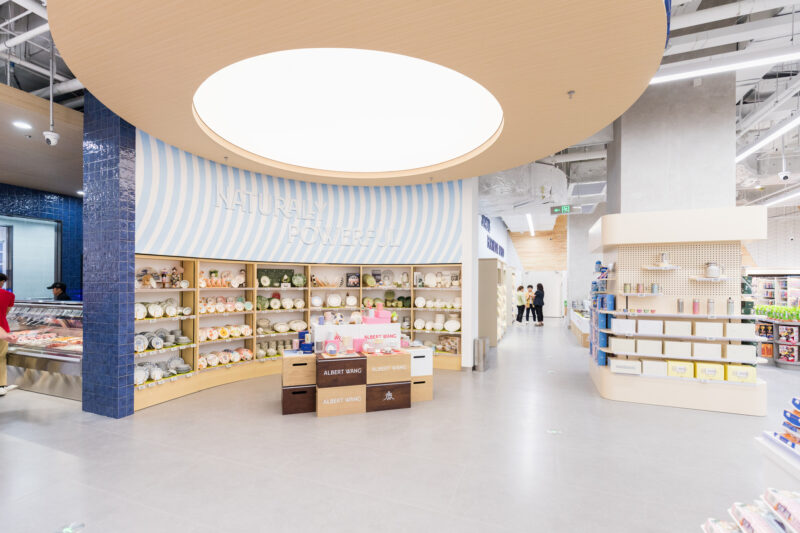
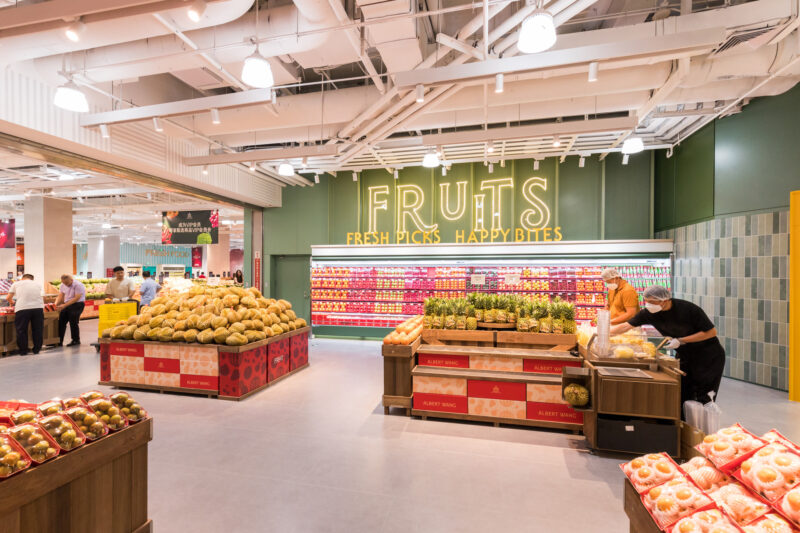
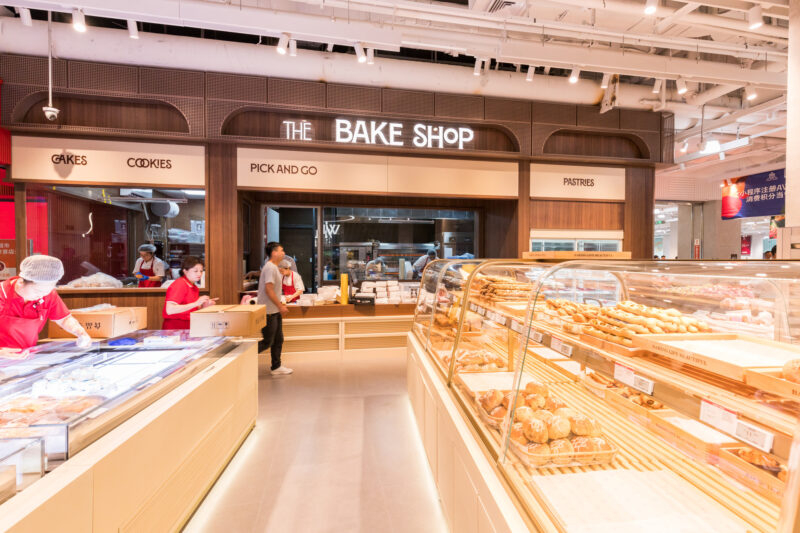
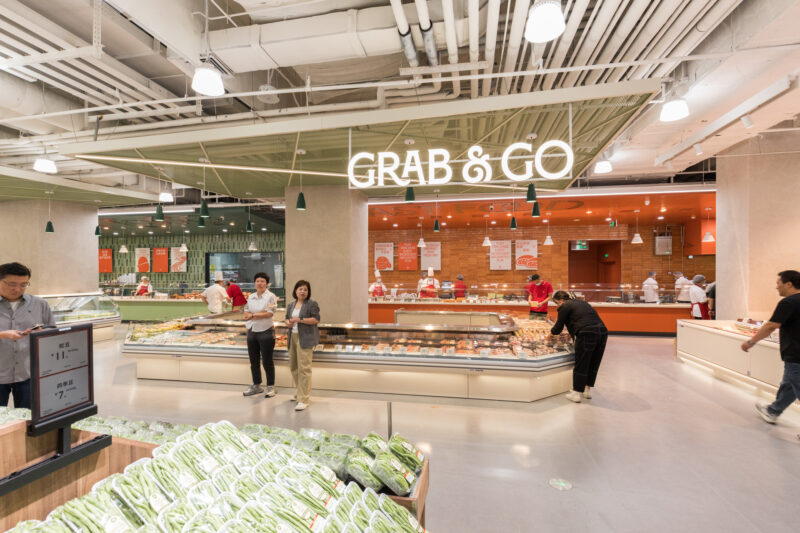
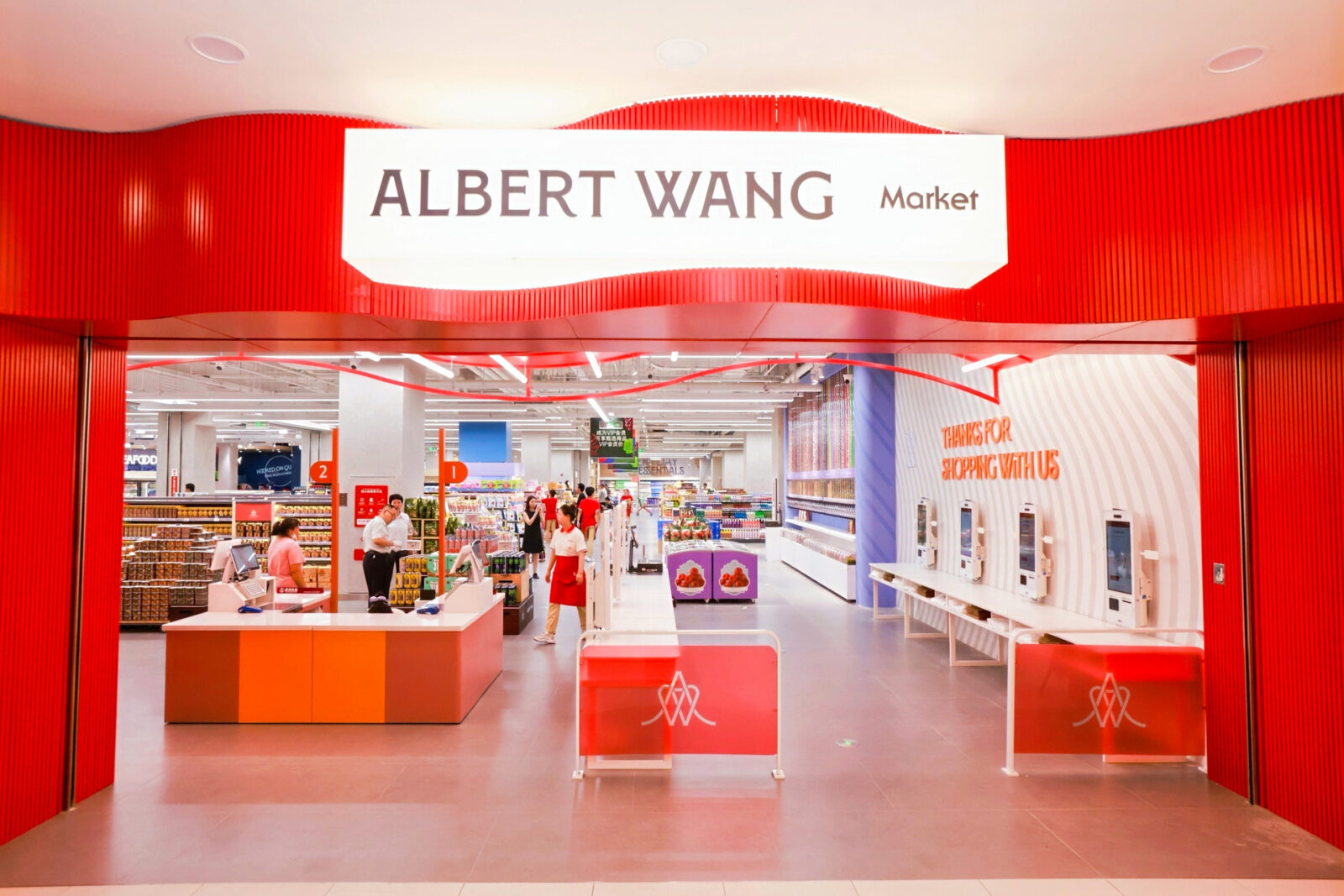
MG2 partnered with Yaodi, a Chinese based supermarket chain owner and operator, to develop a first-of-its kind Albert Wang Market, located within the CapitalLand Mall in Sun Palace, Beijing. The grand opening of the new organic market drew over one million customers, introducing the community to a fresh, engaging approach to grocery retail. The playful design incorporates bright colors, geometric shapes, and graphic signage, creating a fun and inviting atmosphere.

Vibrant colors and bold patterns are layered throughout the space, creating an artistic, energetic atmosphere that organizes and highlights product displays. Graphic signage acts as a dynamic visual guide, leading customers through the store.

Integrated into the design is the concept of a culinary theater, transforming part of the retail space into an open production area. Here, customers can observe the preparation of baked goods, meats, and fresh fish, enhancing the shopping experience while building confidence in product quality.

The design also adopts a sustainable modular system that aligns with the organic concept of the market, consisting of display components that can be reconfigured, disassembled, and recycled. This approach not only improves the functionality and flexibility of product arrangements but also reinforces the market’s commitment to environmental responsibility.

MG2 and Yaodi collaborated to create an engaging experience that embodies sustainable values and provides its community with a unique grocery store.


Announcing ENR West: Northwest 2025 Best Projects Winners

ENR West recently announced its Northwest 2025 Best Project Winners and our First Light project in Seattle won for Best Residential / Hospitality!

MG2 collaborated with Westbank, James KM Cheng Architects, and Build Group, Inc. to bring this mixed-use high-rise to life. Highlights include a cantilevered rooftop pool with panoramic views, a seven-story glass installation by artist John Hogan, a terraced clubhouse, and an open-air Secret Garden.